


Non-woven fabric veneer exporters
Dec 16,2025

Non-woven fabric veneer represents a versatile and innovative material category, created by bonding or felting fibers together through mechanical, chemical, or thermal processes rather than weaving. This engineered construction method imparts unique characteristics that distinguish it from traditional textiles or wood veneers. As a synthetic or blended fiber-based sheet, non-woven fabric veneer has gained prominence across diverse industries, from interior design to industrial manufacturing, due to its balance of functionality, aesthetics, and practicality. Its role as a surface covering or reinforcing layer continues to expand as material technology advances.
A primary advantage of non-woven fabric veneer is its excellent dimensional stability and uniformity. Unlike natural materials that may warp or vary in texture, the manufacturing process ensures consistent thickness, density, and surface characteristics across large batches. This uniformity simplifies handling, cutting, and installation in production environments, reducing material waste and improving efficiency. When used as a backing or facing layer, non-woven fabric veneer provides a reliable and predictable substrate that enhances the overall quality and consistency of composite materials, such as laminated panels or decorative surfaces.
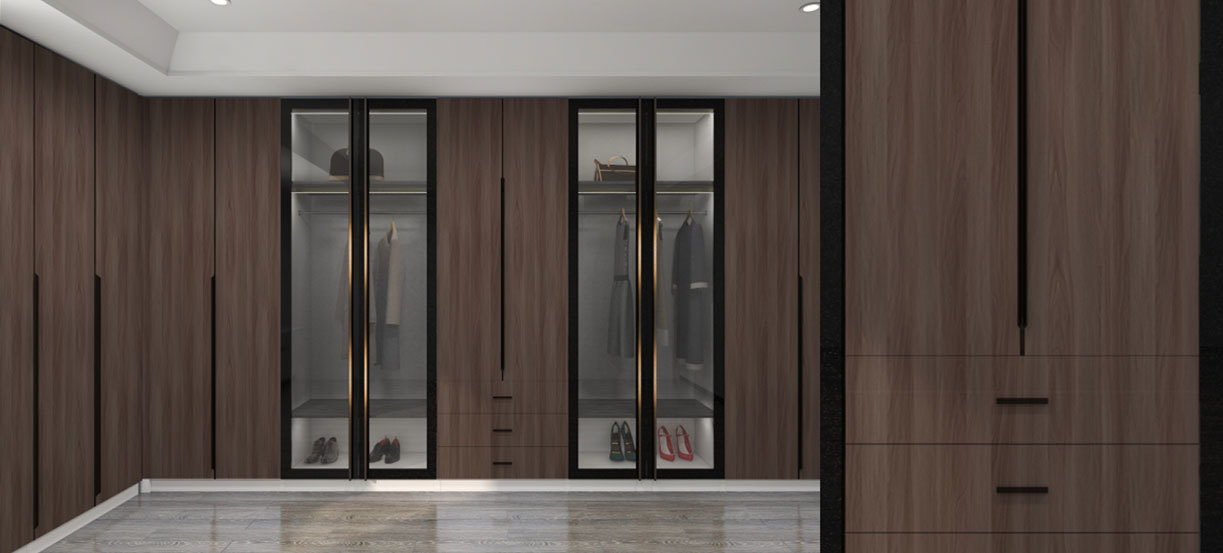
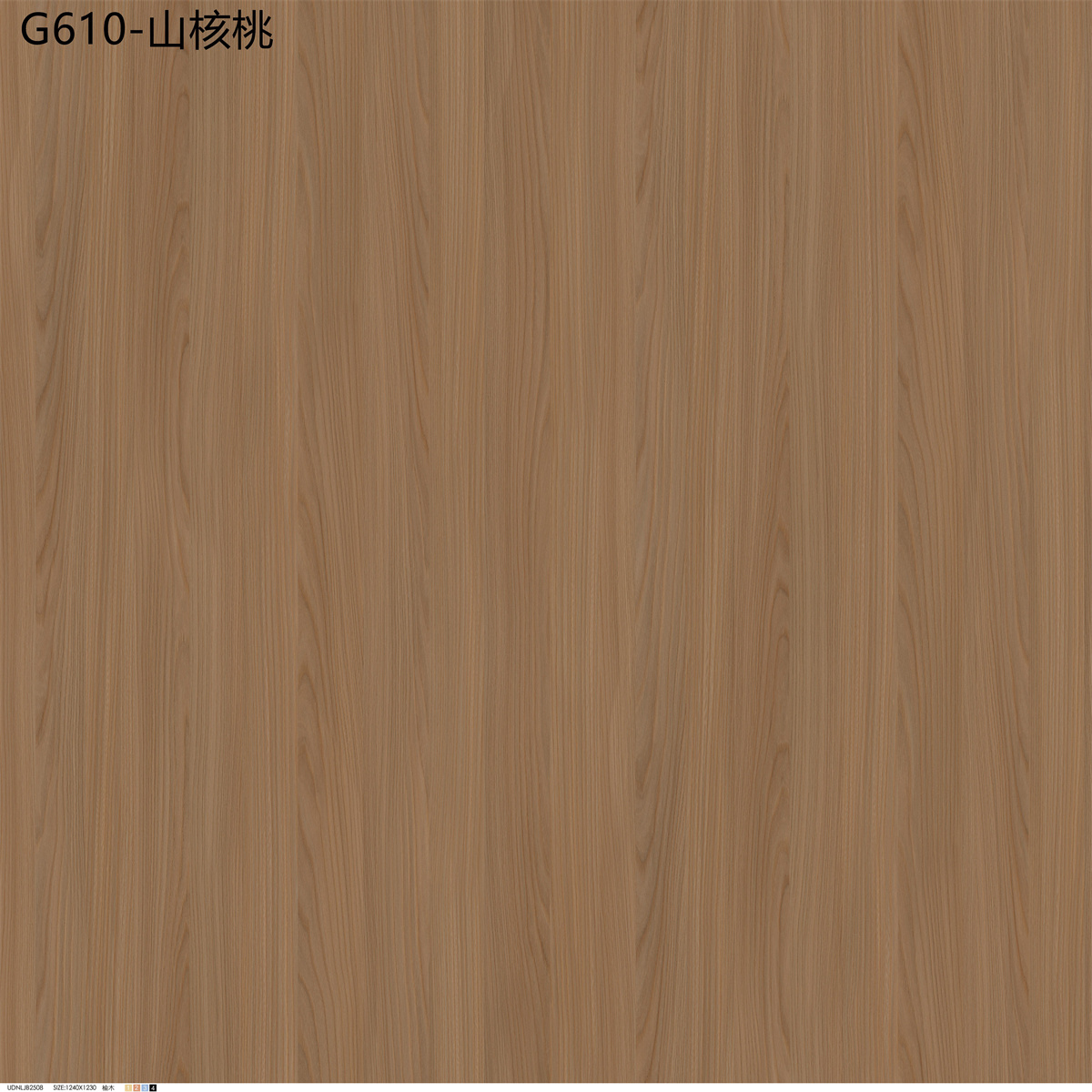
The material also offers significant design flexibility and aesthetic versatility. Non-woven fabric veneer can be produced in a wide spectrum of colors, patterns, and textures, including convincing simulations of natural materials like wood, stone, or leather. It can be easily printed, embossed, or coated to achieve specific visual effects, making it a popular choice for decorative applications in furniture, wall coverings, and automotive interiors. This adaptability allows designers and manufacturers to meet evolving aesthetic trends while benefiting from the technical properties of a non-woven substrate.
From a functional perspective, non-woven fabric veneer often exhibits desirable performance traits such as moisture resistance, breathability, and sound absorption. Depending on its fiber composition and treatment, it can act as a barrier against humidity while allowing vapor transmission, reducing risks of mold or delamination. Its porous structure can contribute to acoustic damping in interior spaces. Furthermore, many types of non-woven fabric veneer demonstrate good resistance to abrasion and tearing, enhancing the durability and longevity of the finished products in which they are incorporated.
Previous page:
Get a free quote
We welcome your inquiries. Tell us about your project to get a free quote.
Contact Us
Address: No. 3, Xinyuan 1st Road, Jili Industrial Park, Nan Zhuang Town, Chancheng District, Foshan City, Guangdong Province


Foshan Zhonghong Decoration Materials Co., Ltd.Technical Support:China Enterprise Network Shunde |SEO