


language
Exploring the Beauty and Versatility of Elm Wood Grain Veneer
Dec 11,2025
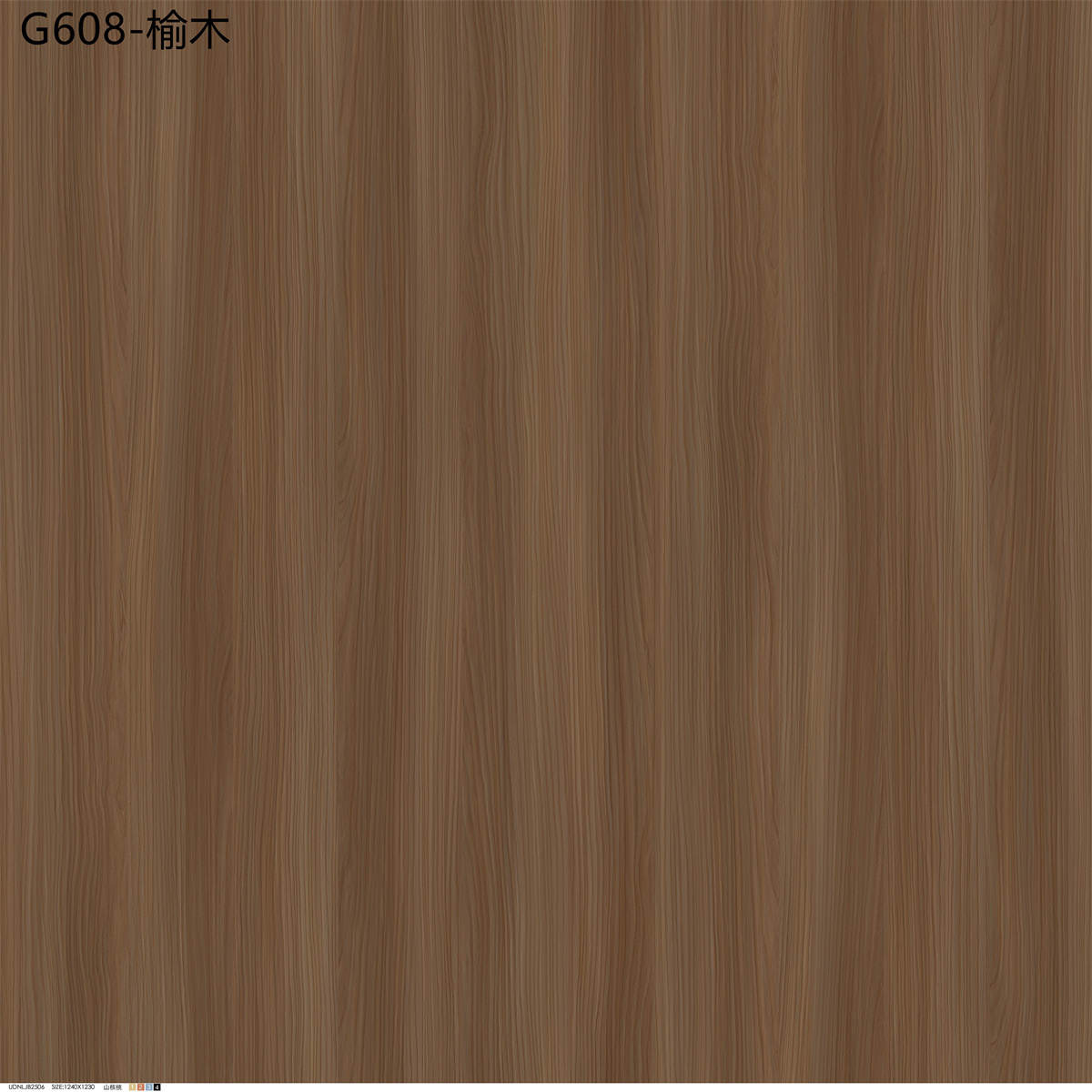
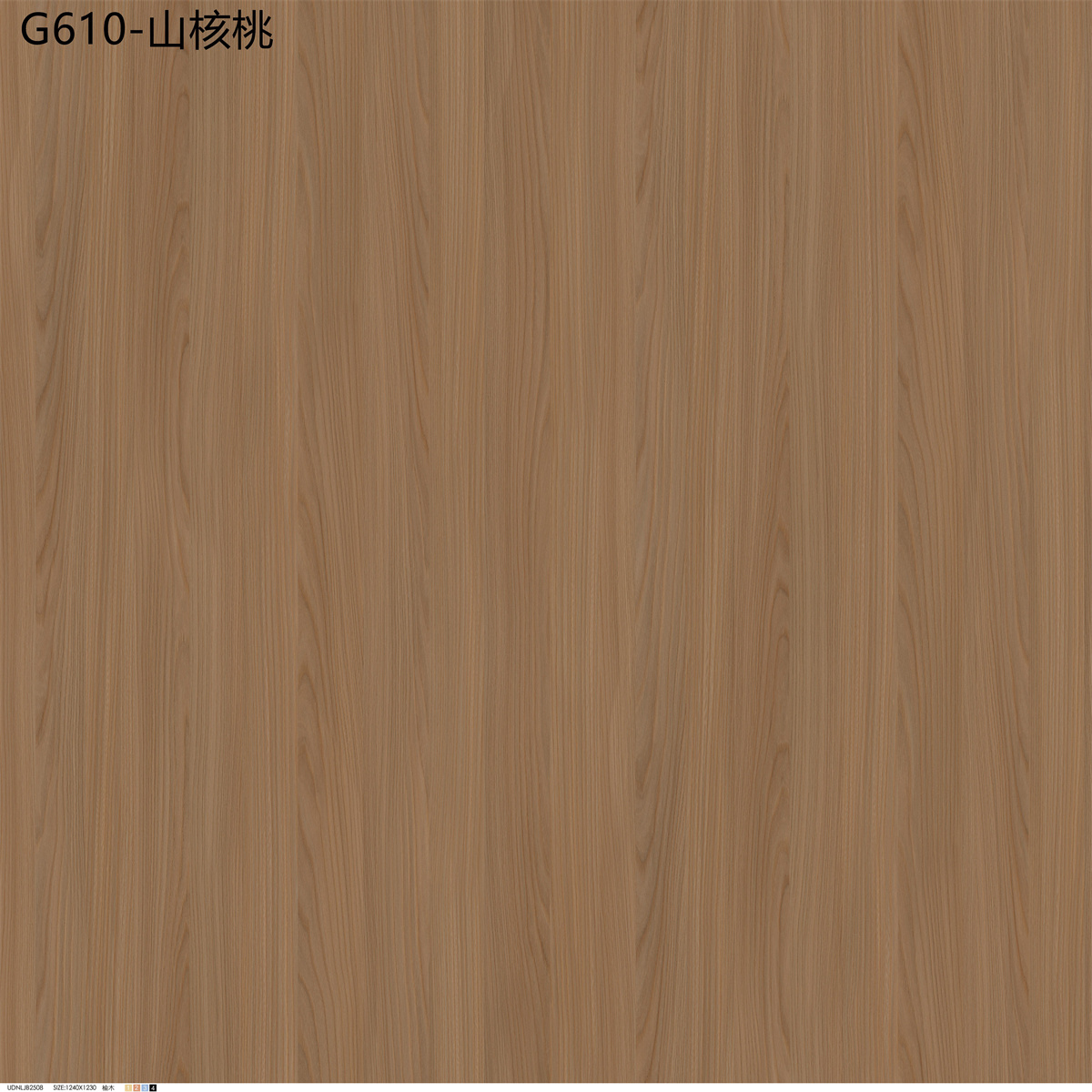
Elm Wood Grain Veneer is a striking option in the realm of architectural and decorative materials. Known for its distinctive and captivating patterns, Elm veneer possesses a unique aesthetic that can elevate any interior design. The grain patterns often feature waves and irregularities, giving each piece an individual character that is difficult to replicate with other materials. This natural beauty makes Elm a popular choice for a range of applications, from cabinetry to wall paneling.
One of the primary benefits of Elm Wood Grain Veneer is its excellent workability. Being a softer hardwood, Elm is easier to cut, shape, and finish compared to denser woods. This quality allows craftsmen to create intricate designs and detailed features without compromising the integrity of the material. Additionally, Elm's natural resistance to warping and splitting makes it a durable choice, particularly in environments with fluctuating humidity levels.
For those interested in sustainability, Elm Wood Grain Veneer presents an eco-friendly option. Veneers are often produced from fast-growing trees, which helps minimize the impact on natural forests. By using veneer instead of solid wood, consumers can achieve the same aesthetic appeal while conserving resources and reducing waste. This aspect of Elm veneer makes it an appealing choice for environmentally conscious designers and builders.
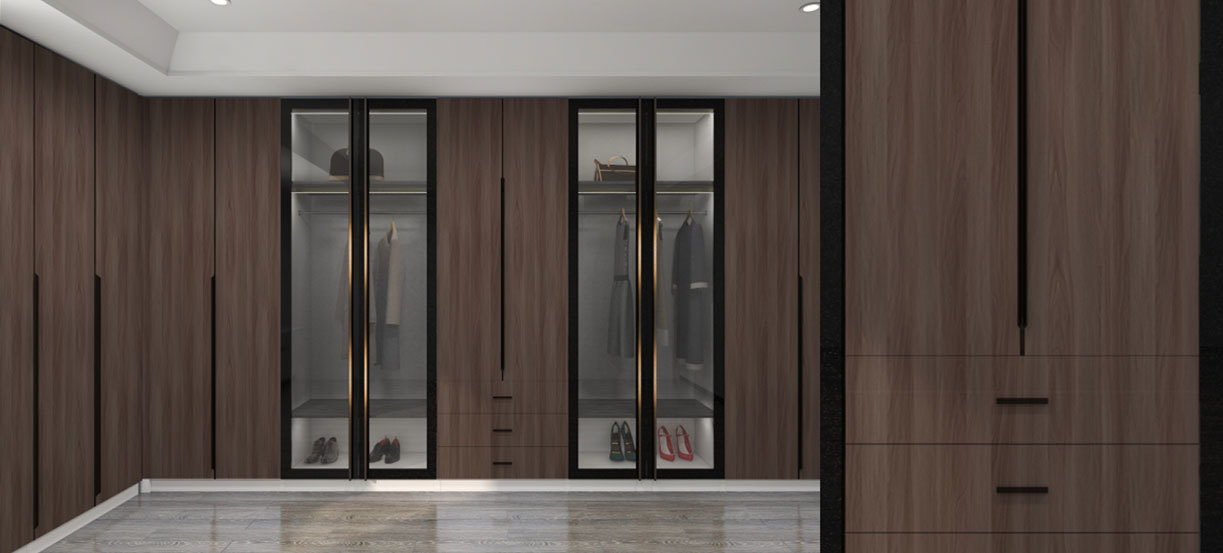
In terms of application, Elm Wood Grain Veneer can be utilized in various ways. It works exceptionally well in furniture design, where it can be applied to tabletops, chairs, and cabinets, enhancing the overall aesthetic without adding unnecessary weight. Furthermore, its versatility allows it to be used in wall coverings, ceiling finishes, and decorative accents, providing a warm and inviting atmosphere to any space.
When considering the installation of Elm Wood Grain Veneer, it is essential to prepare the surface appropriately. A well-prepped substrate ensures proper adhesion, which is crucial for longevity. Additionally, selecting the right adhesive is vital to maintain the veneer’s appearance and durability over time. For finishing touches, staining can enhance the natural grain, while clear coatings can protect against wear and tear.
In summary, Elm Wood Grain Veneer stands out as a premium choice in the world of decorative materials. Its unique grain patterns, workability, and sustainability make it a favorite among architects and designers alike. By incorporating this versatile material into your projects, you can achieve a sophisticated and natural look that speaks to the qualities of craftsmanship and design. As you plan your next project, consider the numerous benefits and aesthetic appeal that Elm Wood Grain Veneer has to offer.
One of the primary benefits of Elm Wood Grain Veneer is its excellent workability. Being a softer hardwood, Elm is easier to cut, shape, and finish compared to denser woods. This quality allows craftsmen to create intricate designs and detailed features without compromising the integrity of the material. Additionally, Elm's natural resistance to warping and splitting makes it a durable choice, particularly in environments with fluctuating humidity levels.
For those interested in sustainability, Elm Wood Grain Veneer presents an eco-friendly option. Veneers are often produced from fast-growing trees, which helps minimize the impact on natural forests. By using veneer instead of solid wood, consumers can achieve the same aesthetic appeal while conserving resources and reducing waste. This aspect of Elm veneer makes it an appealing choice for environmentally conscious designers and builders.
In terms of application, Elm Wood Grain Veneer can be utilized in various ways. It works exceptionally well in furniture design, where it can be applied to tabletops, chairs, and cabinets, enhancing the overall aesthetic without adding unnecessary weight. Furthermore, its versatility allows it to be used in wall coverings, ceiling finishes, and decorative accents, providing a warm and inviting atmosphere to any space.
When considering the installation of Elm Wood Grain Veneer, it is essential to prepare the surface appropriately. A well-prepped substrate ensures proper adhesion, which is crucial for longevity. Additionally, selecting the right adhesive is vital to maintain the veneer’s appearance and durability over time. For finishing touches, staining can enhance the natural grain, while clear coatings can protect against wear and tear.
In summary, Elm Wood Grain Veneer stands out as a premium choice in the world of decorative materials. Its unique grain patterns, workability, and sustainability make it a favorite among architects and designers alike. By incorporating this versatile material into your projects, you can achieve a sophisticated and natural look that speaks to the qualities of craftsmanship and design. As you plan your next project, consider the numerous benefits and aesthetic appeal that Elm Wood Grain Veneer has to offer.
Previous page:
Get a free quote
We welcome your inquiries. Tell us about your project to get a free quote.
Contact Us
Address: No. 3, Xinyuan 1st Road, Jili Industrial Park, Nan Zhuang Town, Chancheng District, Foshan City, Guangdong Province


Foshan Zhonghong Decoration Materials Co., Ltd.Technical Support:China Enterprise Network Shunde |SEO
Business License