


language
Crafting with Hickory Shellbark Veneer: Expert Tips and Techniques for Exceptional Creations
Dec 18,2025
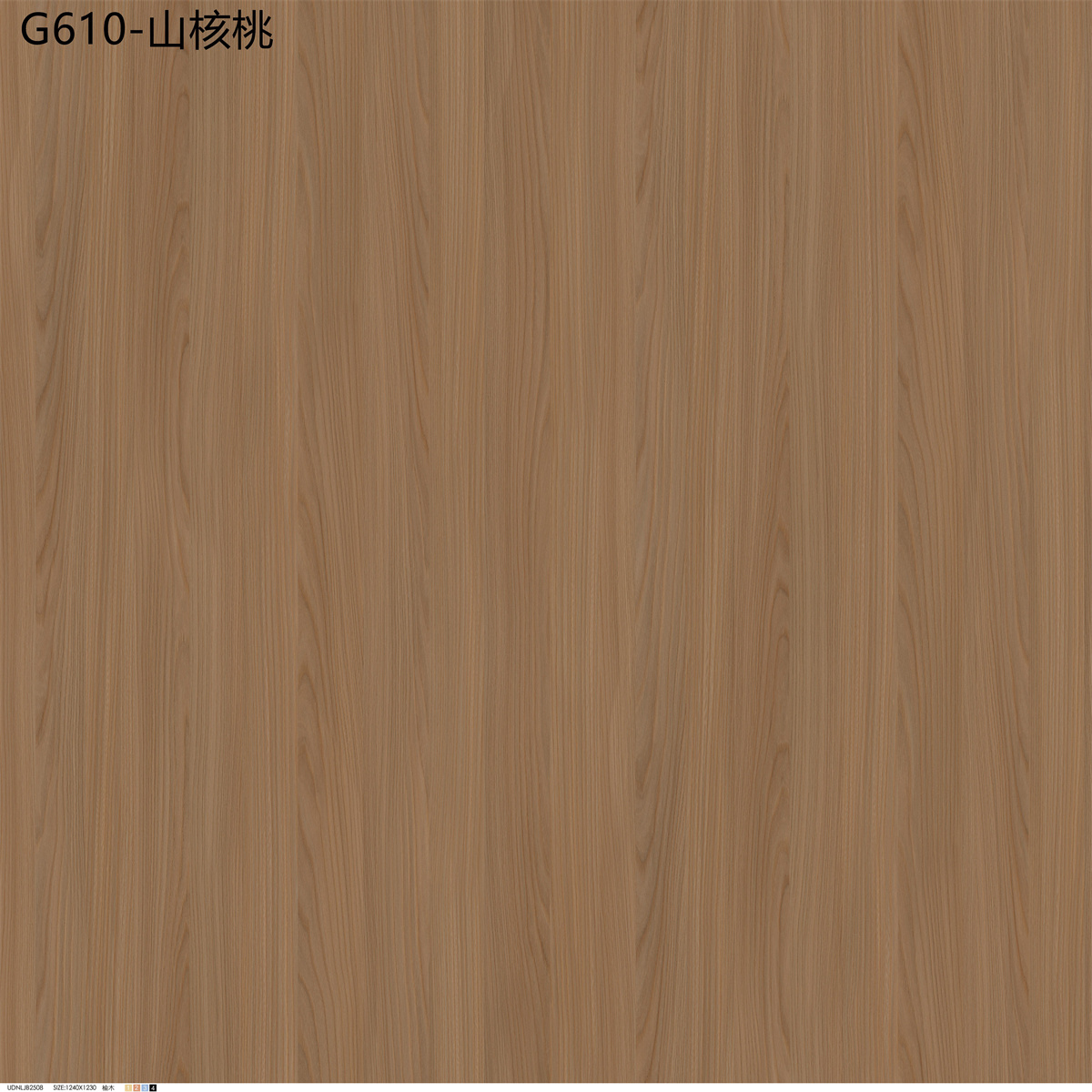
Crafting with Hickory Shellbark Veneer: Expert Tips and Techniques
Table of Contents
- 1. Introduction to Hickory Shellbark Veneer
- 2. Benefits of Using Hickory Shellbark Veneer in Crafting
- 3. Selecting Quality Hickory Shellbark Veneer
- 4. Preparing Hickory Shellbark Veneer for Crafting
- 5. Techniques for Working with Hickory Shellbark Veneer
- 6. Finishing Techniques for Hickory Shellbark Veneer
- 7. Frequently Asked Questions about Hickory Shellbark Veneer
- 8. Conclusion
1. Introduction to Hickory Shellbark Veneer
Hickory shellbark veneer is a captivating choice for artisans and craftsmen looking to create distinctive pieces that exude richness and character. Known for its durability and unique grain patterns, this veneer adds a touch of natural beauty to any woodworking project. As we delve into crafting with hickory shellbark veneer, we will explore various tips and techniques that enhance your experience and results.
2. Benefits of Using Hickory Shellbark Veneer in Crafting
When considering materials for your crafting endeavors, hickory shellbark veneer presents several advantages:
Durability and Strength
Hickory is one of the hardest domestic woods, offering exceptional strength and longevity. This makes it ideal for high-use items, ensuring that your crafted pieces withstand wear and tear.
Unique Aesthetics
The rich, varied grain patterns of hickory shellbark veneer add visual intrigue to your projects. Each piece is unique, providing a character and charm that cannot be replicated with synthetic materials.
Workability
While hickory is a tough wood, it can be worked with relative ease when prepared correctly. Its versatility allows for various crafting techniques, from intricate inlays to solid construction.
Eco-friendly Option
Using veneer is a sustainable choice, as it maximizes the use of the wood while minimizing waste. Hickory shellbark veneer allows artisans to create beautiful pieces without depleting resources.
3. Selecting Quality Hickory Shellbark Veneer
Choosing the right hickory shellbark veneer is crucial for achieving the best results in your projects. Here are some key factors to consider:
Source Your Veneer Wisely
Purchase veneer from reputable suppliers who specialize in hardwoods. Look for vendors who provide detailed information about the veneer’s origin and quality.
Inspect for Quality
Examine the veneer sheets for defects such as cracks, warping, or discoloration. High-quality hickory shellbark veneer should be free from these issues and have a consistent grain pattern.
Choose the Right Thickness
Veneer comes in various thicknesses, typically ranging from 0.1 mm to 0.6 mm. Select a thickness that suits your project requirements. Thicker veneers are easier to work with but may require specialized tools.
4. Preparing Hickory Shellbark Veneer for Crafting
Proper preparation of hickory shellbark veneer is essential for optimal results. Follow these steps:
Cutting the Veneer
Use a sharp utility knife or veneer saw to cut the veneer to your desired dimensions. Ensure that your cuts are straight and clean for a professional finish.
Flattening the Veneer
If your veneer has any warping, flatten it by placing it between two sheets of plywood and applying weight. This process may take several hours to a day, depending on the severity of the warp.
Sealing the Edges
To prevent fraying and maintain the integrity of your veneer, seal the edges with wood glue or a specialized veneer edge sealer. This step protects your work during the crafting process.
5. Techniques for Working with Hickory Shellbark Veneer
With your veneer prepared, it’s time to dive into crafting. Here are several essential techniques to master when working with hickory shellbark veneer:
Adhering the Veneer
Use a high-quality veneer glue for adhering the hickory shellbark veneer to your substrate. Apply a thin, even layer of glue to both surfaces and use a roller or brush to ensure complete coverage.
Pressing and Clamping
After applying the glue, press the veneer onto the substrate and clamp it down. Utilize a veneer press or a series of clamps to apply even pressure, ensuring a strong bond. Leave it clamped for at least 30 minutes or as recommended by the glue manufacturer.
Trimming Excess Veneer
Once the glue has set, trim any excess veneer flush with your project using a sharp knife or a router with a flush trim bit. This step provides a clean, polished edge.
Creating Inlays and Patterns
Hickory shellbark veneer is also excellent for creating intricate inlays and patterns. Use a scroll saw or laser cutter to achieve detailed designs, allowing for a personalized touch in your creations.
6. Finishing Techniques for Hickory Shellbark Veneer
Finishing your veneer project is crucial for enhancing its beauty and protecting it from damage. Here are effective finishing techniques:
Sanding the Surface
Before applying any finish, sand the veneer surface with fine-grit sandpaper (220-320 grit) to achieve a smooth texture. Be gentle to avoid sanding through the veneer.
Applying Stains and Dyes
If desired, apply wood stains or dyes to enhance the natural color and grain of the hickory shellbark veneer. Test on a scrap piece first to ensure you achieve the desired effect.
Choosing the Right Finish
Select a finish that suits your project’s intended use. Options include polyurethane, lacquer, or oils. Each offers different levels of sheen, durability, and application ease.
Sealing for Protection
Finally, apply a protective sealant to guard against moisture and wear. Multiple coats may be necessary, depending on the product used. Always follow the manufacturer's instructions for the best results.
7. Frequently Asked Questions about Hickory Shellbark Veneer
What is hickory shellbark veneer?
Hickory shellbark veneer is a thin layer of hickory wood, typically sliced from the trunk of the hickory tree, used in woodworking and crafting for its durability and attractive grain.
How do I choose the right thickness of hickory veneer for my project?
The thickness of hickory veneer can vary based on the intended application. For structural projects, consider thicker veneers (around 0.6 mm), while thinner pieces (0.1 mm) are suitable for decorative work.
Can I use hickory shellbark veneer for outdoor projects?
While hickory shellbark veneer is durable, it is best suited for indoor projects unless adequately sealed and treated to withstand outdoor conditions.
How can I repair damaged hickory veneer?
For minor damage, use wood glue to secure any loose areas and sand the surface smooth. For larger areas, consider using a patch of similar veneer to replace the damaged section.
What tools do I need to work with hickory shellbark veneer?
Essential tools include a sharp utility knife, clamps, a veneer saw, a router, and sandpaper. Additionally, adhesive designed for woodworking is crucial for optimal results.
8. Conclusion
Crafting with hickory shellbark veneer opens up a world of possibilities for artisans seeking to create beautiful, durable pieces. By understanding the benefits, selecting quality materials, and mastering effective techniques, you can elevate your woodworking projects to new heights. With the right preparation and finishing touches, hickory shellbark veneer can transform your creative visions into tangible masterpieces that will last for generations. Embrace this unique material and let your imagination guide your crafting journey!
Previous page:
Next page:
Get a free quote
We welcome your inquiries. Tell us about your project to get a free quote.
Contact Us
Address: No. 3, Xinyuan 1st Road, Jili Industrial Park, Nan Zhuang Town, Chancheng District, Foshan City, Guangdong Province


Foshan Zhonghong Decoration Materials Co., Ltd.Technical Support:China Enterprise Network Shunde |SEO
Business License