


language
The Elegance and Versatility of Elm Wood Grain Veneer in Modern Architecture
Feb 05,2026
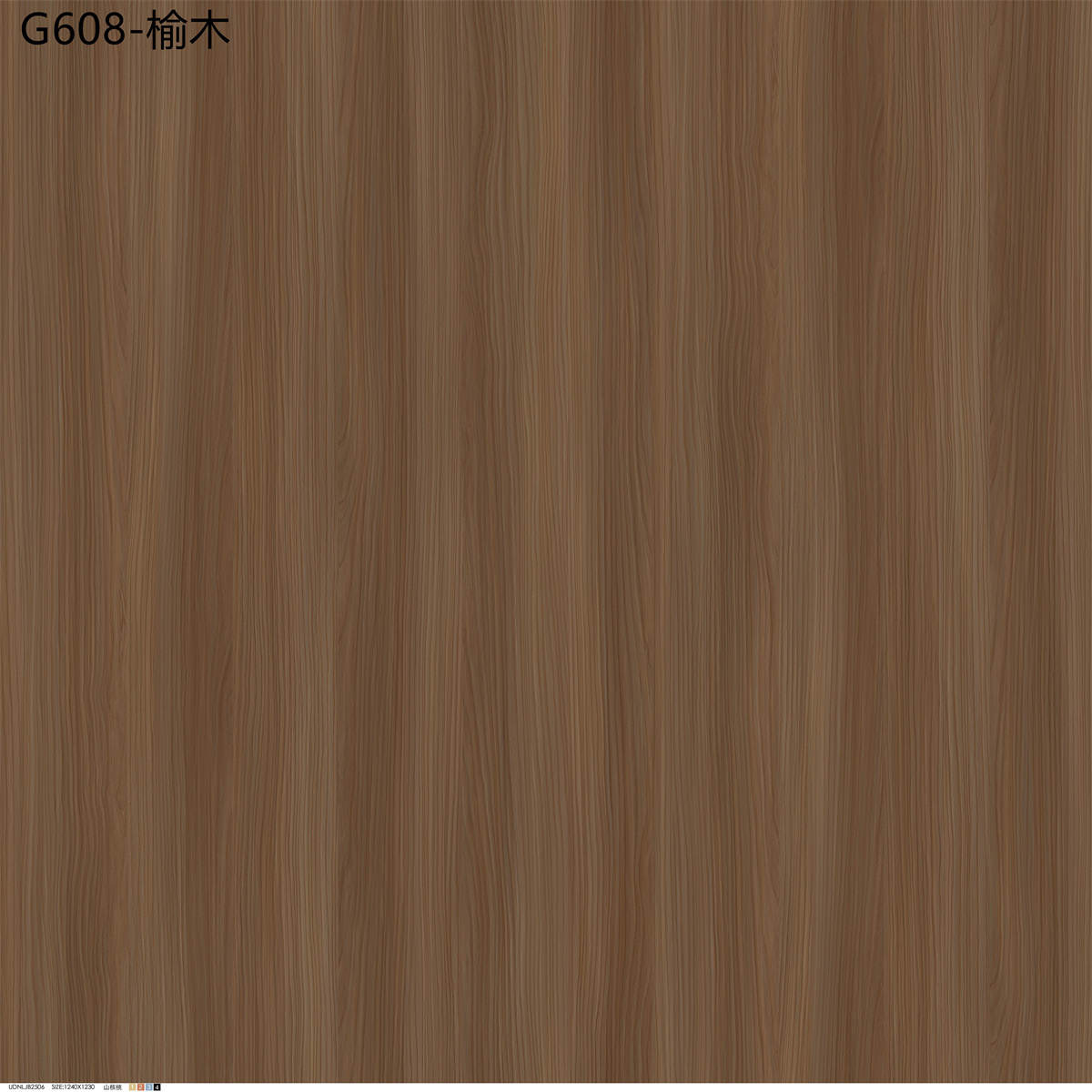
Elm Wood Grain Veneer is increasingly recognized for its unique aesthetic qualities and versatile applications in modern architecture and interior design. Derived from the elm tree, known for its durability and distinctive grain patterns, this veneer not only offers a natural look but also serves various functional purposes. As professionals in the building and decorative materials industry seek innovative solutions, understanding the properties of Elm Wood Grain Veneer becomes essential.
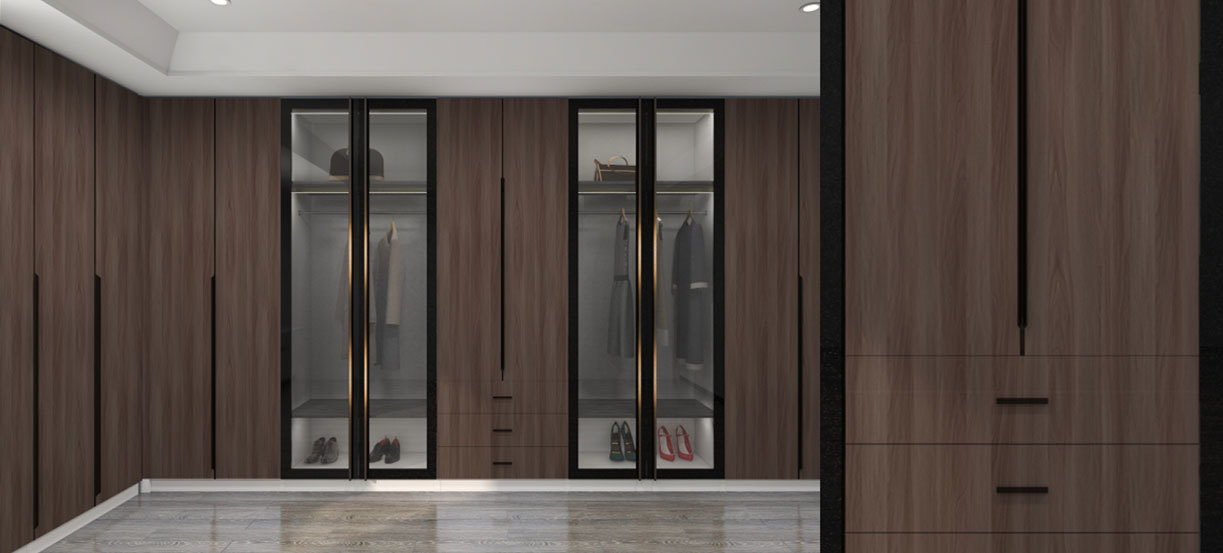
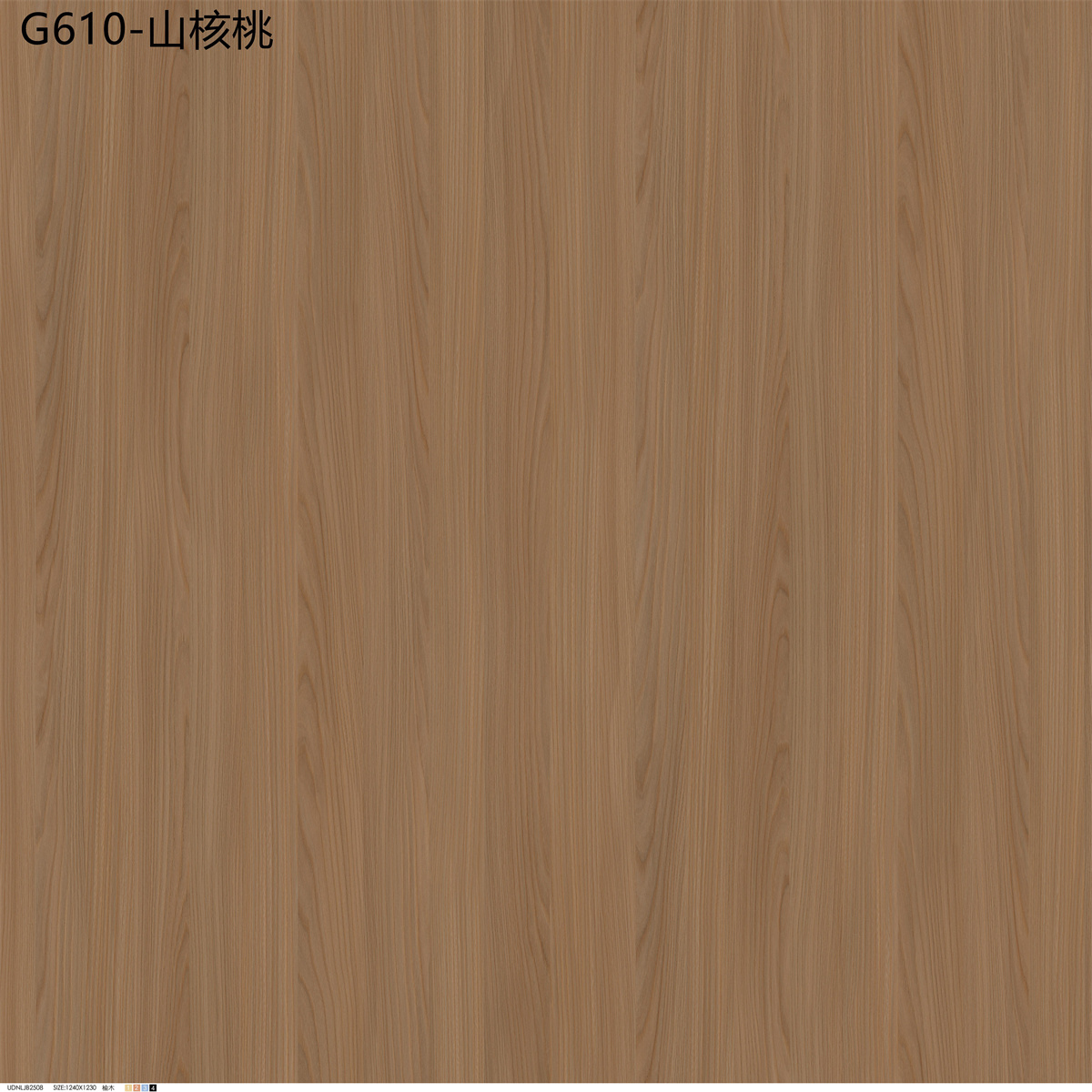
One of the most striking features of Elm Wood Grain Veneer is its impressive aesthetic appeal. The rich, warm tones and intricate grain patterns lend an air of sophistication to any space. The natural variations in color and texture ensure that each application is unique, making it a favored choice for architects and designers looking to create a visually stunning environment. Whether used in wall paneling, cabinetry, or furniture, Elm Wood Grain Veneer adds a timeless elegance that complements both contemporary and traditional designs.
In addition to its beauty, Elm Wood Grain Veneer offers substantial durability. Elm wood is known for its resistance to warping and splitting, which makes it an excellent choice for various climate conditions. When applied as a veneer, it maintains these qualities while allowing for thinner, lighter materials that are easier to work with. This durability ensures that projects utilizing Elm Wood Grain Veneer not only look great but are also built to last.
The applications for Elm Wood Grain Veneer are vast and varied. It is commonly used in residential settings for doors, furniture, and decorative accents. In commercial spaces, it can be found in office furniture, wall coverings, and even acoustic panels, contributing to both aesthetics and functionality. The veneer can also be treated for additional water resistance, making it suitable for areas prone to moisture, such as kitchens and bathrooms.
Sustainability is another important aspect of Elm Wood Grain Veneer. When sourced responsibly, it provides an eco-friendly option for construction and design projects. Utilizing veneers allows for the efficient use of timber resources since it requires less material than solid wood products while still delivering the same high-quality appearance.
In conclusion, Elm Wood Grain Veneer stands out as a premium choice for professionals in the architecture and decoration sectors. Its combination of aesthetic appeal, durability, versatility, and sustainability makes it a superior option for enhancing both residential and commercial designs. As industry professionals continue to explore innovative materials, Elm Wood Grain Veneer is sure to remain a top contender for quality and beauty in architectural applications.
One of the most striking features of Elm Wood Grain Veneer is its impressive aesthetic appeal. The rich, warm tones and intricate grain patterns lend an air of sophistication to any space. The natural variations in color and texture ensure that each application is unique, making it a favored choice for architects and designers looking to create a visually stunning environment. Whether used in wall paneling, cabinetry, or furniture, Elm Wood Grain Veneer adds a timeless elegance that complements both contemporary and traditional designs.
In addition to its beauty, Elm Wood Grain Veneer offers substantial durability. Elm wood is known for its resistance to warping and splitting, which makes it an excellent choice for various climate conditions. When applied as a veneer, it maintains these qualities while allowing for thinner, lighter materials that are easier to work with. This durability ensures that projects utilizing Elm Wood Grain Veneer not only look great but are also built to last.
The applications for Elm Wood Grain Veneer are vast and varied. It is commonly used in residential settings for doors, furniture, and decorative accents. In commercial spaces, it can be found in office furniture, wall coverings, and even acoustic panels, contributing to both aesthetics and functionality. The veneer can also be treated for additional water resistance, making it suitable for areas prone to moisture, such as kitchens and bathrooms.
Sustainability is another important aspect of Elm Wood Grain Veneer. When sourced responsibly, it provides an eco-friendly option for construction and design projects. Utilizing veneers allows for the efficient use of timber resources since it requires less material than solid wood products while still delivering the same high-quality appearance.
In conclusion, Elm Wood Grain Veneer stands out as a premium choice for professionals in the architecture and decoration sectors. Its combination of aesthetic appeal, durability, versatility, and sustainability makes it a superior option for enhancing both residential and commercial designs. As industry professionals continue to explore innovative materials, Elm Wood Grain Veneer is sure to remain a top contender for quality and beauty in architectural applications.
Get a free quote
We welcome your inquiries. Tell us about your project to get a free quote.
Contact Us
Address: No. 3, Xinyuan 1st Road, Jili Industrial Park, Nan Zhuang Town, Chancheng District, Foshan City, Guangdong Province


Foshan Zhonghong Decoration Materials Co., Ltd.Technical Support:China Enterprise Network Shunde |SEO
Business License