


Wood Grain Decorative Paper Drives Innovation in Modern Interior Design
Feb 04,2026

Wood Grain Decorative Paper has become an essential material in the interior decoration and furniture manufacturing industries, offering a balance between natural aesthetics, functional performance, and sustainable production. As global demand for cost-effective and environmentally responsible decorative solutions continues to rise, wood grain decorative paper is increasingly adopted across residential, commercial, and industrial applications.
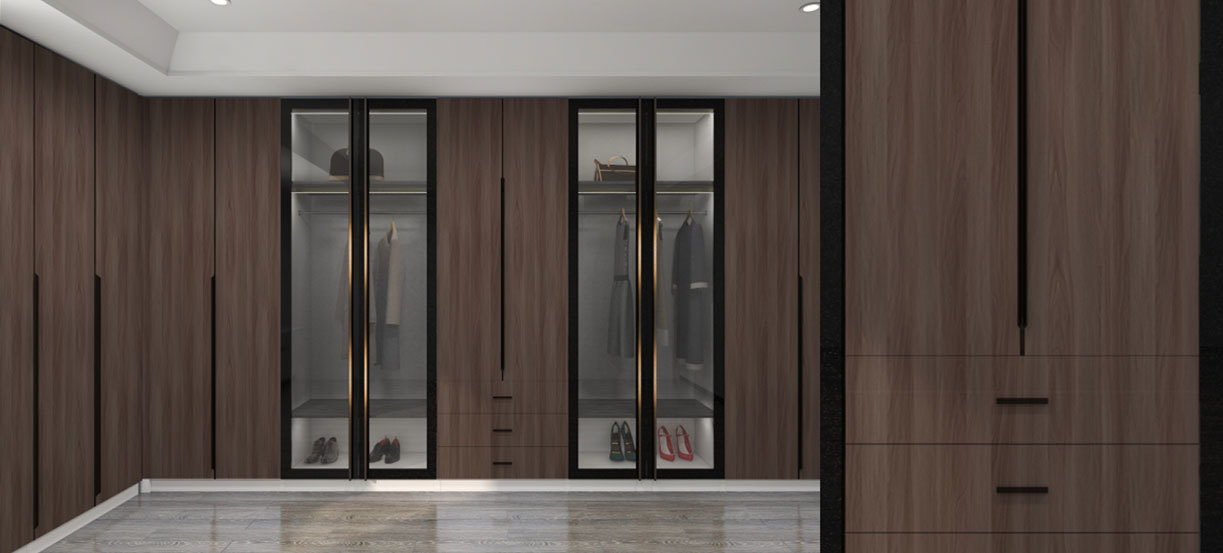
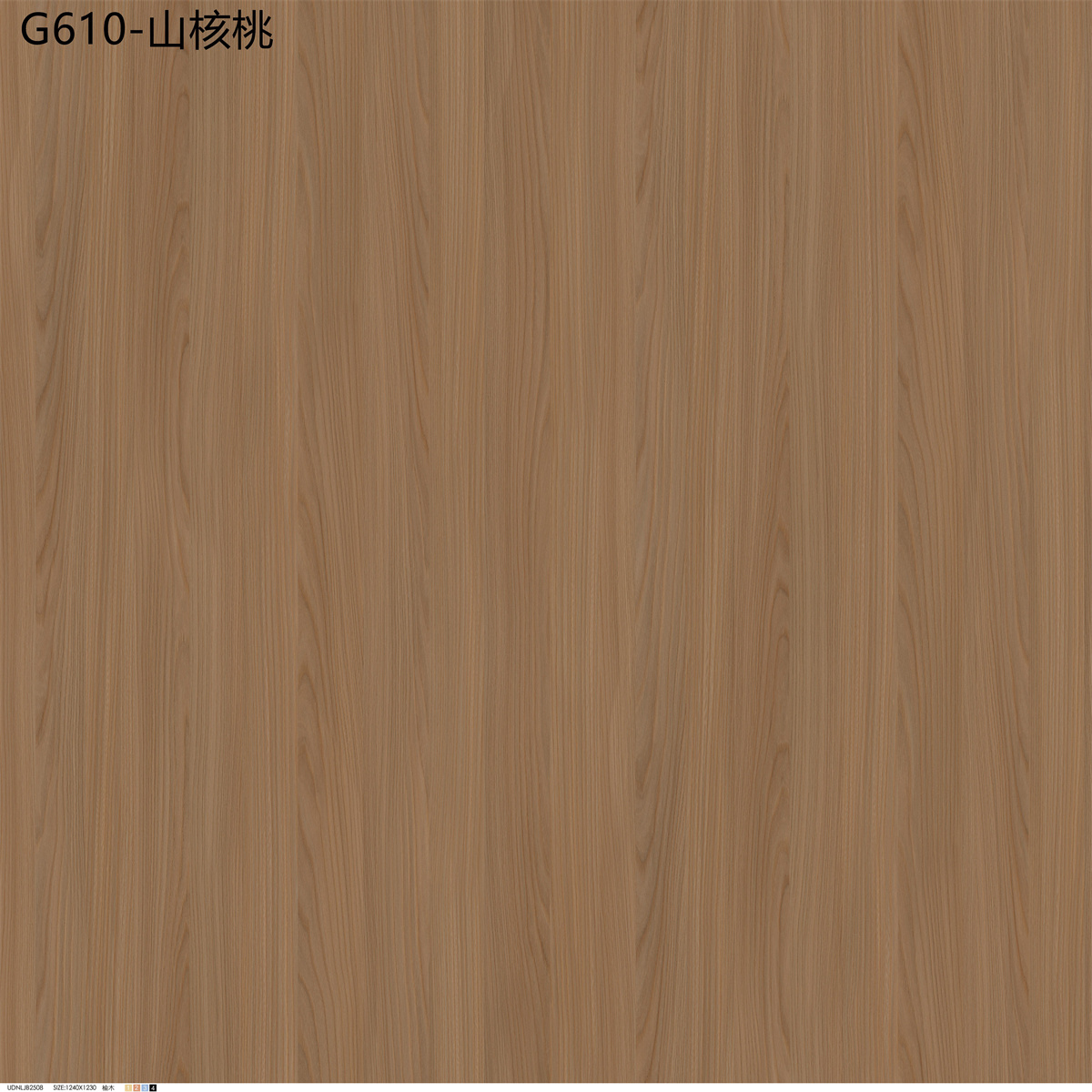
Wood grain decorative paper is designed to replicate the texture, color, and visual depth of natural wood. Through advanced printing and surface treatment technologies, it achieves highly realistic wood patterns that closely resemble solid timber. This allows manufacturers and designers to create warm, natural-looking interiors while significantly reducing reliance on natural wood resources. The result is a material that meets modern aesthetic expectations without compromising environmental considerations.
One of the key advantages of wood grain decorative paper is its versatility. It is widely used as a surface layer for laminated boards, MDF, particle boards, and plywood. These panels are commonly applied in furniture, cabinetry, doors, flooring, wall panels, and interior decorative elements. The lightweight nature of decorative paper makes it easy to process, cut, and laminate, improving production efficiency and reducing manufacturing costs.
Technological progress has played a major role in enhancing the performance of wood grain decorative paper. High-definition printing techniques enable precise reproduction of wood textures, knots, and grain variations. Surface treatments such as impregnation and coating improve resistance to moisture, heat, abrasion, and fading. These improvements ensure that decorative paper surfaces maintain their appearance and durability even in high-traffic or demanding environments.
Customization is another important factor driving market growth. Wood grain decorative paper can be produced in a wide range of patterns, colors, and finishes to match different design styles. From classic oak and walnut tones to modern minimalist wood textures, the material supports diverse interior concepts. This flexibility allows designers and manufacturers to respond quickly to changing market trends and consumer preferences.
Sustainability has become a central theme in the development of wood grain decorative paper. Compared with solid wood veneers, decorative paper uses fewer raw materials and supports efficient resource utilization. Many manufacturers focus on eco-friendly production processes, low-emission inks, and recyclable base paper. These practices align with global environmental standards and help reduce the carbon footprint of interior decoration projects.
In commercial and residential spaces, wood grain decorative paper offers practical advantages beyond aesthetics. Its uniform surface quality ensures consistent visual results across large areas, which is difficult to achieve with natural wood. It also provides improved dimensional stability, reducing the risk of warping or cracking caused by temperature and humidity changes. These characteristics make it a reliable choice for long-term interior applications.
The market demand for wood grain decorative paper continues to expand alongside the growth of urbanization and modern housing. Furniture manufacturers, interior designers, and construction projects increasingly prefer decorative paper solutions that combine visual appeal, durability, and cost efficiency. As consumers seek stylish yet practical interiors, wood grain decorative paper meets expectations for both design and performance.
Looking ahead, innovation in wood grain decorative paper is expected to focus on enhanced realism, improved surface performance, and smarter manufacturing processes. Developments in digital printing, texture embossing, and eco-friendly materials will further elevate product quality. As a result, wood grain decorative paper will continue to play a vital role in shaping modern interior environments.
In conclusion, Wood Grain Decorative Paper represents a smart and sustainable alternative to traditional wood materials. Its realistic appearance, adaptability, and environmental advantages make it a cornerstone of contemporary interior design and furniture production. With continuous innovation and growing global demand, wood grain decorative paper is set to remain a key decorative solution in the evolving interior materials market.
Get a free quote
We welcome your inquiries. Tell us about your project to get a free quote.
Contact Us
Address: No. 3, Xinyuan 1st Road, Jili Industrial Park, Nan Zhuang Town, Chancheng District, Foshan City, Guangdong Province


Foshan Zhonghong Decoration Materials Co., Ltd.Technical Support:China Enterprise Network Shunde |SEO