


language
A Comprehensive Guide to Effectively Maintaining Hickory Shellbark Veneer Surfaces
Feb 12,2026

A Comprehensive Guide to Effectively Maintaining Hickory Shellbark Veneer Surfaces
Hickory Shellbark veneer surfaces are renowned for their unique aesthetic appeal and exceptional durability. As a luxury decorative material, they require specific care to maintain their exquisite appearance and structural integrity. In this guide, we will explore the best practices for cleaning, maintaining, and restoring Hickory Shellbark veneer surfaces. This comprehensive article is designed to provide you with the knowledge necessary to keep your veneer looking its best.
Understanding Hickory Shellbark Veneer
What is Hickory Shellbark Veneer?
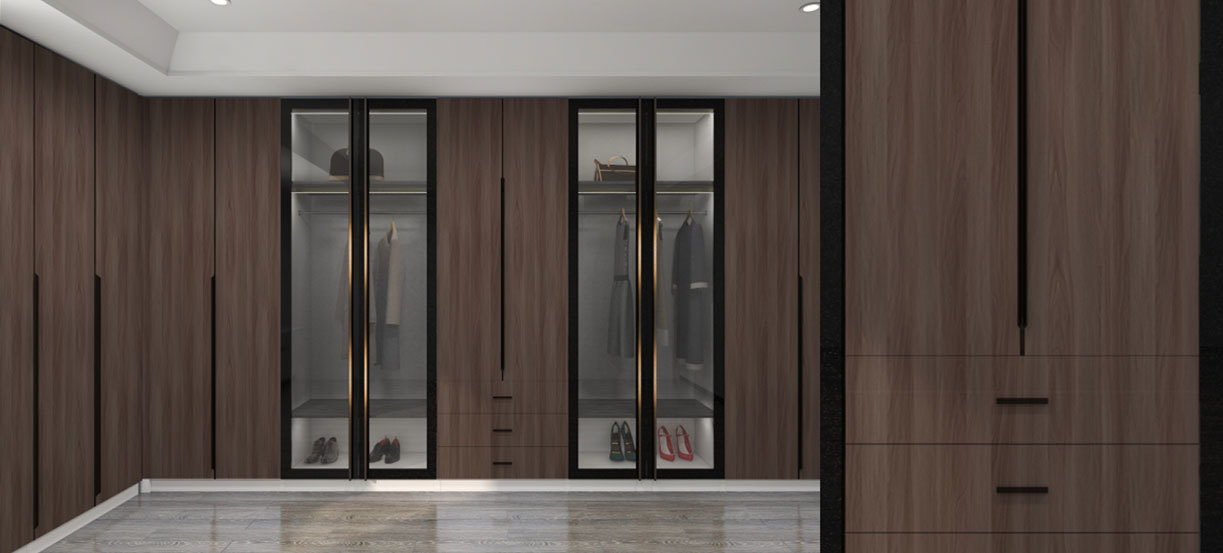
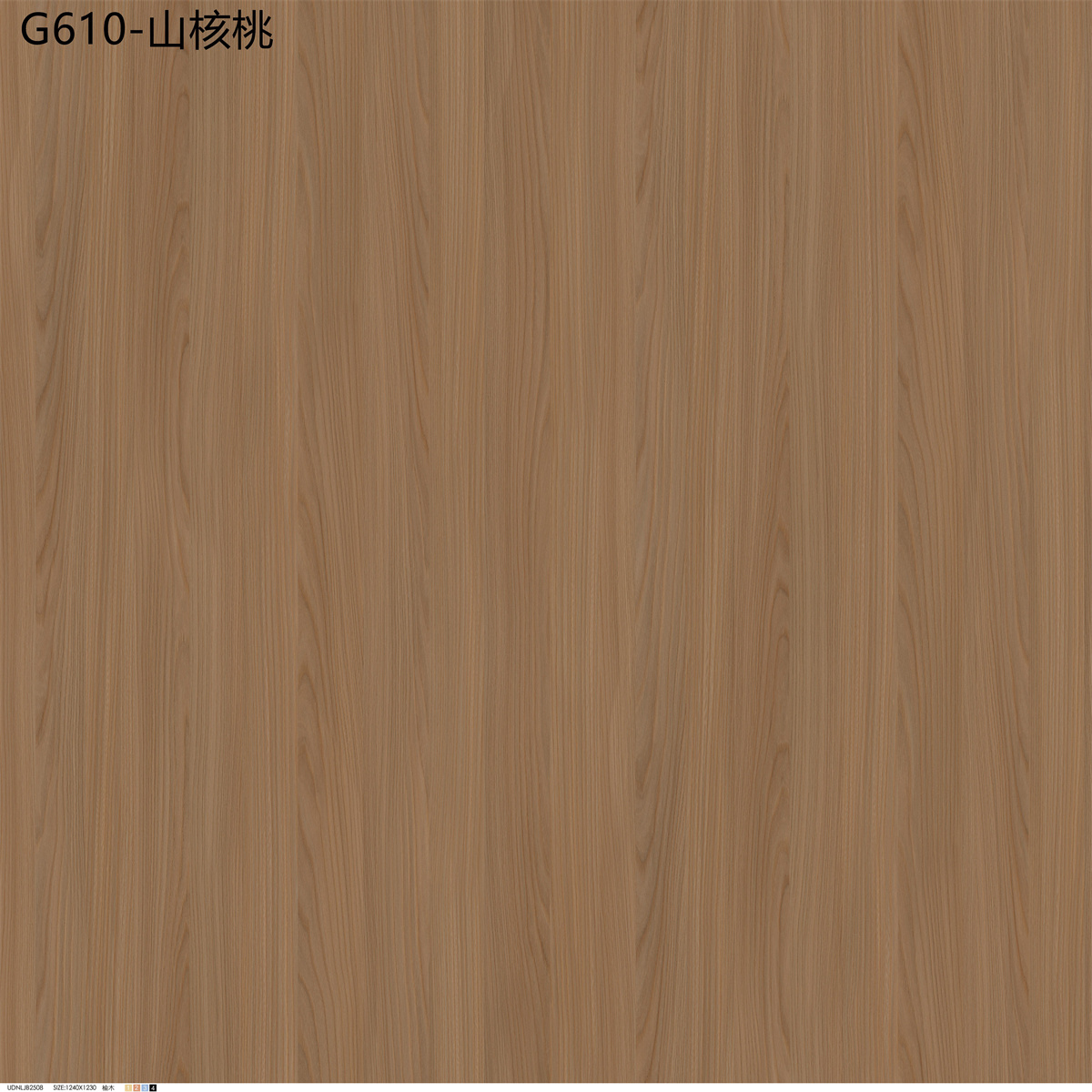
Hickory Shellbark veneer is derived from the Hickory tree, specifically the Shellbark Hickory variety. This type of veneer is prized for its rich grain patterns and robust characteristics. The wood is tough, making it ideal for applications that demand both beauty and resilience. As a decorative material, Hickory Shellbark veneer is commonly used in furniture, cabinetry, and architectural elements.
Benefits of Using Hickory Shellbark Veneer
The use of Hickory Shellbark veneer boasts several advantages:
1. **Aesthetic Appeal**: Its striking grain patterns and warm tones enhance the visual appeal of any space.
2. **Durability**: Known for its hardness, Hickory Shellbark can withstand wear and tear better than many other wood types.
3. **Sustainability**: As a natural product, Hickory veneer is an environmentally friendly choice compared to synthetic materials.
4. **Versatility**: It can be utilized in various applications, from traditional to contemporary design.
The Importance of Maintenance
Maintaining Hickory Shellbark veneer is crucial for ensuring its longevity and beauty. Regular upkeep not only preserves its appearance but also prevents damage from environmental factors, moisture, and wear. A well-maintained veneer surface can last for decades, enhancing your home’s value.
Common Issues Faced by Hickory Shellbark Veneer
Some common issues that can arise include:
- **Scratches and Scuffs**: Everyday use can lead to superficial damage.
- **Water Damage**: Excess moisture can warp or discolor the veneer.
- **Fading**: Prolonged exposure to sunlight can cause the color to fade.
- **Dirt and Grime Accumulation**: Regular use leads to buildup that can dull the veneer’s shine.
Step-by-Step Maintenance Guide for Hickory Shellbark Veneer
Routine Cleaning Practices
To keep your Hickory Shellbark veneer surfaces looking pristine, implement the following cleaning practices:
1. Dusting
Dust accumulation can dull the finish of Hickory Shellbark veneer. Use a soft, lint-free cloth or a microfiber duster to gently remove dust. For best results, dust surfaces weekly to prevent buildup.
2. Spot Cleaning
For minor stains or spills, promptly blot the area with a damp cloth. Avoid using excessive moisture, as this can penetrate the veneer. If necessary, use a mild soap solution, but ensure it is thoroughly rinsed and dried.
3. Deep Cleaning
Once every few months, perform a deep clean. Use a wood-safe cleaner specifically designed for natural wood surfaces. Apply the cleaner with a soft cloth, following the grain of the wood, and dry immediately with a clean towel.
Preventing Damage to Hickory Shellbark Veneer
Taking proactive steps can significantly reduce the risk of damage.
1. Use Coasters and Mats
Place coasters under beverages and use mats under hot dishes to prevent heat and moisture damage. This simple step can save your veneer from unsightly rings and heat marks.
2. Control Humidity and Temperature
Hickory veneer performs best in stable environmental conditions. Maintain indoor humidity levels between 30-50% and avoid placing veneer surfaces near heating vents or air conditioning units to minimize the risk of warping.
3. Avoid Direct Sunlight
Direct sunlight can fade the rich colors of Hickory Shellbark veneer. Utilize curtains or UV-filtering window films to shield surfaces from prolonged exposure to sunlight.
Restoration Techniques for Damaged Hickory Shellbark Veneer
Despite your best efforts, wear and tear may still occur. Here are some restoration techniques for damaged Hickory Shellbark veneer.
1. Repairing Scratches and Scuffs
For minor scratches, use a wood touch-up marker in a matching color to fill in the damaged area. For deeper scratches, consider using a wood filler, allowing it to dry completely before sanding smooth and refinishing.
2. Refinishing the Surface
If your Hickory Shellbark veneer looks dull or worn, refinishing may be necessary. Follow these steps:
- **Clean the Surface**: Start with a thorough cleaning to remove dirt and grime.
- **Sand the Surface**: Lightly sand the veneer with fine-grit sandpaper, always sanding in the direction of the grain.
- **Apply a Finish**: Use a suitable wood finish, such as polyurethane or a specialized wood conditioner, to restore the sheen and protect the surface.
3. Addressing Water Damage
If water damage occurs, dry the area immediately using a fan or dehumidifier. For warped areas, you may need to remove the veneer and replace it or consult a professional restorer for advice.
Frequently Asked Questions (FAQs)
1. How often should I clean my Hickory Shellbark veneer surfaces?
We recommend routine dusting weekly and a deep clean every few months.
2. Can I use vinegar or ammonia for cleaning Hickory veneer?
No, these substances can damage the finish. Stick to wood-safe cleaners.
3. Is it safe to use a steam cleaner on Hickory Shellbark veneer?
No, steam can penetrate the veneer and cause warping. Use damp cloths instead.
4. What should I do if my Hickory veneer starts to fade?
Limit exposure to sunlight and consider applying a wood conditioner to enhance color.
5. Can I refinish Hickory veneer myself?
Yes, but ensure you follow the correct sanding and finishing techniques for the best results.
Conclusion
Maintaining Hickory Shellbark veneer surfaces is essential for preserving their beauty and functionality. By following the outlined cleaning practices, preventive measures, and restoration techniques, you can ensure that your Hickory veneer remains a stunning focal point in your home for years to come. Regular care not only enhances the aesthetic appeal but also extends the life of this luxurious decorative material, making it a worthy investment for any space.
Get a free quote
We welcome your inquiries. Tell us about your project to get a free quote.
Contact Us
Address: No. 3, Xinyuan 1st Road, Jili Industrial Park, Nan Zhuang Town, Chancheng District, Foshan City, Guangdong Province


Foshan Zhonghong Decoration Materials Co., Ltd.Technical Support:China Enterprise Network Shunde |SEO
Business License