


language
Transform Your Space with Stunning Oak Wood Veneer: The Ultimate Guide
Jun 27,2025
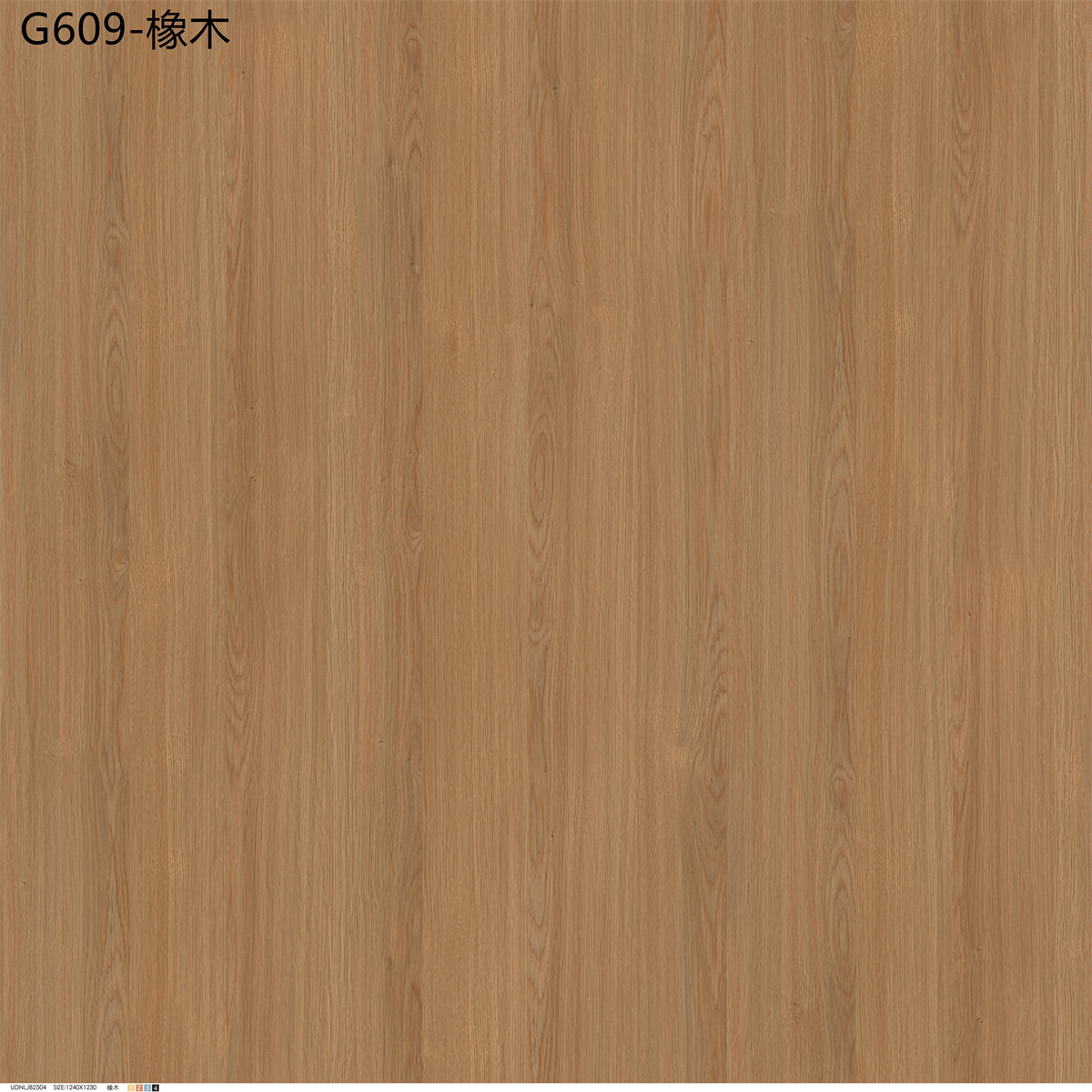
Transform Your Space with Stunning Oak Wood Veneer
Table of Contents
- Introduction to Oak Wood Veneer
- Benefits of Using Oak Wood Veneer in Your Home
- Types of Oak Wood Veneer and Their Characteristics
- Creative Applications of Oak Wood Veneer
- How to Install Oak Wood Veneer Like a Pro
- Caring for Your Oak Wood Veneer
- Sustainability Aspects of Oak Wood Veneer
- Conclusion
- Frequently Asked Questions
Introduction to Oak Wood Veneer
Oak wood veneer is a thin layer of oak that has been sliced or peeled from a log. This versatile material not only offers the beauty of solid oak but also provides a cost-effective solution for interior design. Its rich grain patterns and warm hues can transform any space into a sophisticated sanctuary. In this article, we will explore the many advantages of oak wood veneer, its various types, creative uses, and essential maintenance tips to keep your veneer looking beautiful for years to come.
Benefits of Using Oak Wood Veneer in Your Home
When it comes to interior design, oak wood veneer stands out for numerous reasons:
1. Aesthetic Appeal
The natural beauty of oak wood veneer adds warmth and elegance to any room. Its unique grain patterns and rich colors enhance the overall ambiance of your home.
2. Cost-Effectiveness
Compared to solid oak, veneer is a more affordable option while still providing a similar aesthetic. This allows homeowners to achieve a high-end look without breaking the bank.
3. Environmental Impact
Since veneer uses significantly less wood than solid lumber, it is a more sustainable choice. This means fewer trees are cut down, making it an eco-friendly option for conscious consumers.
4. Versatility
Oak wood veneer can be applied to a variety of surfaces, from cabinetry to furniture. Its adaptability makes it suitable for any design style, whether traditional or contemporary.
5. Easy Maintenance
With proper care, oak wood veneer can last for decades. Regular cleaning and occasional refinishing will keep it looking fresh and vibrant.
Types of Oak Wood Veneer and Their Characteristics
Understanding the different types of oak wood veneer can help you make an informed choice for your design project. Here are the most common types:
1. Red Oak Veneer
Red oak is known for its prominent grain and warm reddish-brown hue. It is highly durable and works well in traditional and rustic designs.
2. White Oak Veneer
White oak is a lighter wood with a more subtle grain pattern. Its resistance to moisture makes it ideal for kitchens and bathrooms.
3. Rift-Cut Oak Veneer
Rift-cut oak veneer offers a linear grain pattern, providing a clean and modern aesthetic. This style is particularly popular in contemporary furniture design.
4. Quarter-Sawn Oak Veneer
Quarter-sawn oak veneer showcases a unique ray fleck pattern, which adds distinct character and depth to your surfaces. It is often used in high-end applications.
Creative Applications of Oak Wood Veneer
Oak wood veneer can be utilized in various ways to enhance your interior spaces. Here are some creative applications:
1. Cabinetry
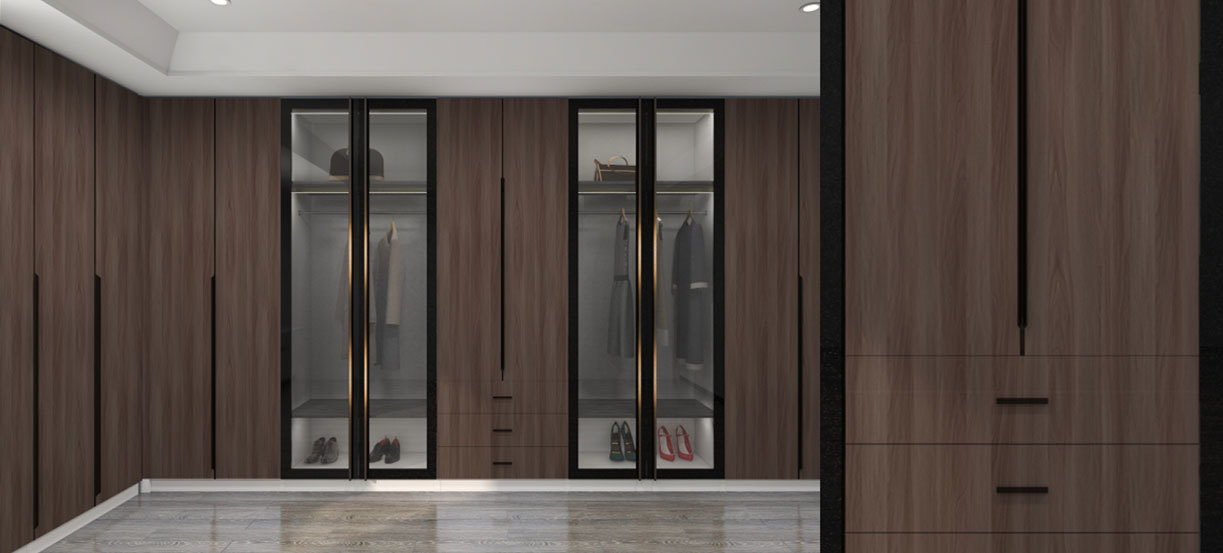
Adding oak wood veneer to cabinets can transform a dull kitchen into a stunning focal point. Its natural beauty complements a range of hardware styles.
2. Wall Paneling
Installing oak veneer wall panels creates an inviting atmosphere in any room. This design choice works wonderfully in living rooms, dining areas, and offices.
3. Furniture
From coffee tables to bookshelves, oak wood veneer can elevate your furniture pieces. Its durability ensures that your furniture can withstand daily use.
4. Ceiling Treatments
Consider using oak veneer for ceiling treatments to add depth and interest. This unique application can create a warm, cozy environment.
5. Decorative Accents
Small items like picture frames, trim, and moldings can be crafted from oak veneer, adding a touch of elegance throughout your home.
How to Install Oak Wood Veneer Like a Pro
Installing oak wood veneer can seem daunting, but with the right tools and techniques, it can be a straightforward process. Follow these steps for a professional finish:
1. Gather Your Materials
You'll need oak wood veneer, adhesive, a utility knife, a veneer saw, clamps, and a roller or brush for applying adhesive.
2. Prepare the Surface
Ensure that the surface you're veneering is clean, dry, and free from any imperfections. Sand down rough spots and fill any holes.
3. Cut the Veneer
Measure and cut the veneer to the desired size, allowing for a slight overlap on edges.
4. Apply the Adhesive
Spread the adhesive evenly on both the veneer and the surface. Follow the manufacturer's instructions for drying times.
5. Attach the Veneer
Carefully place the veneer onto the surface, aligning it properly. Use clamps to secure it in place and ensure a strong bond.
6. Trim Excess Veneer
Once the adhesive has dried, use a utility knife or veneer saw to trim any excess veneer for a clean edge.
Caring for Your Oak Wood Veneer
Proper maintenance is crucial for preserving the beauty of oak wood veneer. Here are some tips:
1. Regular Cleaning
Dust surfaces regularly with a soft, dry cloth. For deeper cleaning, use a damp cloth with mild soap and water, avoiding harsh chemicals.
2. Avoid Excess Moisture
Keep your veneer surfaces dry and avoid prolonged exposure to water to prevent warping or damage.
3. Use Coasters
Protect your veneer from heat and moisture by using coasters and placemats. This small step can prevent unsightly rings and stains.
4. Refinish When Necessary
If your veneer starts to show signs of wear, consider refinishing it with a suitable wood finish to restore its luster.
Sustainability Aspects of Oak Wood Veneer
As we become more environmentally conscious, the sustainability of our materials is paramount. Oak wood veneer offers several sustainable benefits:
1. Responsible Sourcing
When choosing oak veneer, opt for products sourced from sustainably managed forests. This ensures that the environment is protected while meeting your design needs.
2. Efficient Use of Resources
Veneer production utilizes a fraction of the wood required for solid lumber, making it a more efficient use of resources.
3. Biodegradability
Natural wood veneers are biodegradable, reducing environmental impact at the end of their lifecycle.
Conclusion
Oak wood veneer is a beautiful, versatile, and sustainable choice for transforming your living spaces. Its aesthetic appeal, cost-effectiveness, and ease of maintenance make it an ideal material for home improvement projects. By understanding the different types of oak veneer and their applications, you can harness the elegance of this material to elevate your interior design. With proper installation and care, oak wood veneer will enhance your home for years to come, making it a timeless investment in style and sustainability.
Frequently Asked Questions
1. What is oak wood veneer?
Oak wood veneer is a thin layer of oak wood that has been sliced or peeled from a log, allowing users to enjoy the beauty of solid oak at a lower cost.
2. How do I maintain oak wood veneer?
Maintain oak wood veneer by regularly dusting it, cleaning with a damp cloth and mild soap, and avoiding excessive moisture or heat exposure.
3. Can I install oak wood veneer myself?
Yes, with the right tools and techniques, you can install oak wood veneer yourself. Follow proper installation steps for a professional finish.
4. Is oak wood veneer environmentally friendly?
Yes, oak wood veneer is more sustainable than solid wood as it uses less timber and can be sourced from responsibly managed forests.
5. How long does oak wood veneer last?
With proper care, oak wood veneer can last for decades, maintaining its beauty and functionality over time.
Previous page:
Get a free quote
We welcome your inquiries. Tell us about your project to get a free quote.
Contact Us
Address: No. 3, Xinyuan 1st Road, Jili Industrial Park, Nan Zhuang Town, Chancheng District, Foshan City, Guangdong Province


Foshan Zhonghong Decoration Materials Co., Ltd.Technical Support:China Enterprise Network Shunde |SEO
Business License