


language
Exploring Wood Veneer: A Versatile Material for Architectural and Decorative Applications
Jun 28,2025

Wood veneer is a thin slice of wood, usually less than 3mm thick, that is derived from various types of trees. This material is commonly used in architecture and decoration due to its versatility and visual appeal. Unlike solid wood, wood veneer offers a more sustainable alternative, as it allows for the utilization of fewer trees while still achieving a beautiful wood finish on surfaces.
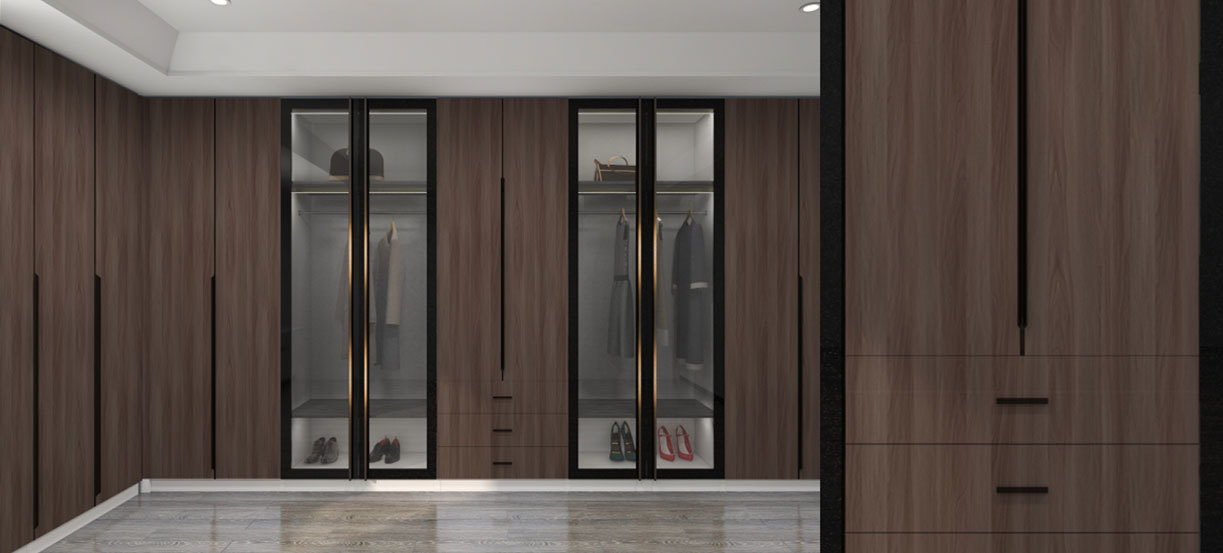
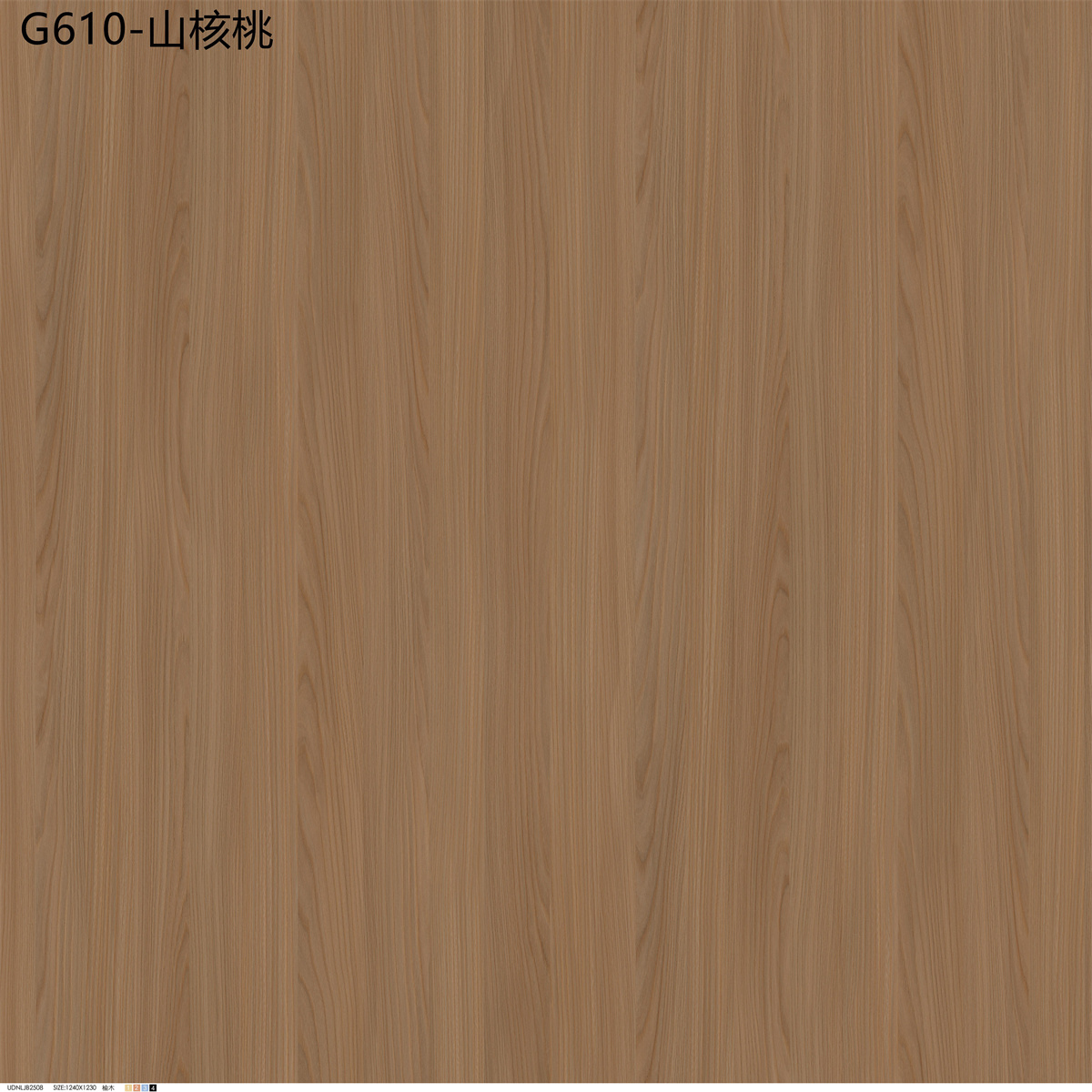
One of the primary benefits of wood veneer is its aesthetic versatility. It can be produced from a wide range of wood species, including oak, walnut, cherry, and maple, each bringing its own unique grain pattern and color. This variety allows designers and architects to create stunning visual effects, whether they desire a rustic, traditional look or a sleek, modern appearance. The use of wood veneer can elevate the design of furniture, cabinetry, wall panels, and more.
In addition to its aesthetic qualities, wood veneer is also lightweight and easy to handle compared to solid wood. This can simplify the installation process, making it a preferred choice for contractors and builders. Furthermore, wood veneer can be applied to various substrates, such as plywood or MDF, enhancing its stability and reducing the risk of warping or cracking, which is more common with solid wood.
Another significant advantage of wood veneer is its eco-friendliness. By using thin slices of wood, it minimizes waste and maximizes the use of each tree. Many manufacturers have adopted sustainable practices by sourcing wood from responsibly managed forests. This not only helps preserve the environment but also caters to the growing consumer demand for sustainable materials in architecture and design.
The application of wood veneer extends beyond just furniture and cabinetry. It is also used in architectural features such as wall cladding, ceiling panels, and decorative elements in commercial and residential spaces. The adaptability of wood veneer means it can be tailored to fit various styles, whether it be contemporary, classic, or eclectic.
In conclusion, wood veneer is a remarkable material that combines beauty, sustainability, and versatility. Its ability to enhance the aesthetic appeal of architectural and decorative projects while remaining eco-friendly makes it an excellent choice for designers and builders alike. As more people become aware of the benefits of wood veneer, it is likely to continue gaining popularity in the construction and decoration industries. Whether you are working on a new project or considering renovations, wood veneer could be the perfect material to consider for achieving your desired look.
One of the primary benefits of wood veneer is its aesthetic versatility. It can be produced from a wide range of wood species, including oak, walnut, cherry, and maple, each bringing its own unique grain pattern and color. This variety allows designers and architects to create stunning visual effects, whether they desire a rustic, traditional look or a sleek, modern appearance. The use of wood veneer can elevate the design of furniture, cabinetry, wall panels, and more.
In addition to its aesthetic qualities, wood veneer is also lightweight and easy to handle compared to solid wood. This can simplify the installation process, making it a preferred choice for contractors and builders. Furthermore, wood veneer can be applied to various substrates, such as plywood or MDF, enhancing its stability and reducing the risk of warping or cracking, which is more common with solid wood.
Another significant advantage of wood veneer is its eco-friendliness. By using thin slices of wood, it minimizes waste and maximizes the use of each tree. Many manufacturers have adopted sustainable practices by sourcing wood from responsibly managed forests. This not only helps preserve the environment but also caters to the growing consumer demand for sustainable materials in architecture and design.
The application of wood veneer extends beyond just furniture and cabinetry. It is also used in architectural features such as wall cladding, ceiling panels, and decorative elements in commercial and residential spaces. The adaptability of wood veneer means it can be tailored to fit various styles, whether it be contemporary, classic, or eclectic.
In conclusion, wood veneer is a remarkable material that combines beauty, sustainability, and versatility. Its ability to enhance the aesthetic appeal of architectural and decorative projects while remaining eco-friendly makes it an excellent choice for designers and builders alike. As more people become aware of the benefits of wood veneer, it is likely to continue gaining popularity in the construction and decoration industries. Whether you are working on a new project or considering renovations, wood veneer could be the perfect material to consider for achieving your desired look.
Previous page:
Get a free quote
We welcome your inquiries. Tell us about your project to get a free quote.
Contact Us
Address: No. 3, Xinyuan 1st Road, Jili Industrial Park, Nan Zhuang Town, Chancheng District, Foshan City, Guangdong Province


Foshan Zhonghong Decoration Materials Co., Ltd.Technical Support:China Enterprise Network Shunde |SEO
Business License