


language
The Versatility of Walnut Veneer Rolls in Architectural Design
Jun 26,2025

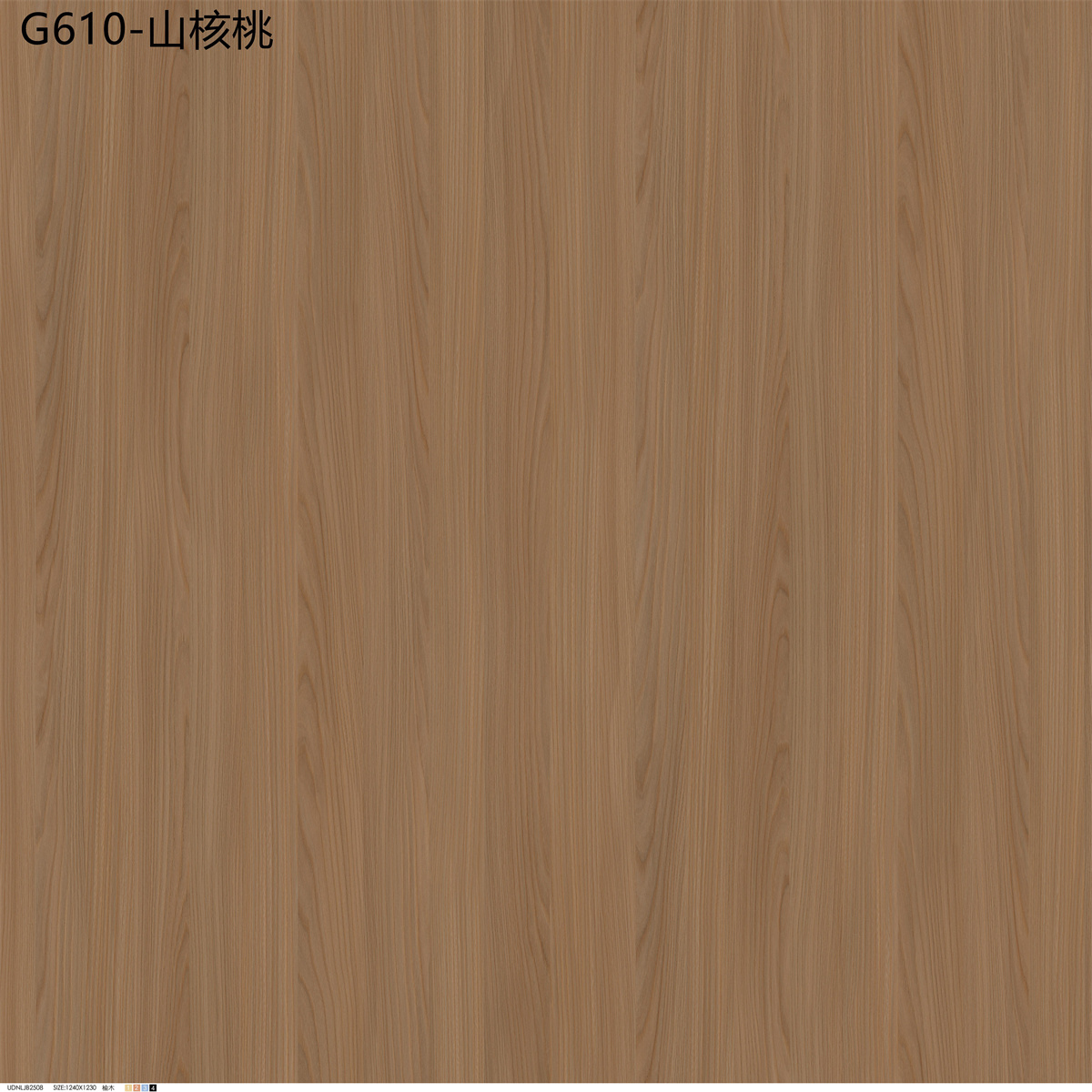
Walnut veneer rolls have become increasingly popular in the realm of architectural design and decorative materials. These thin sheets of walnut wood are crafted by slicing the trunk of a walnut tree, resulting in a beautiful, natural finish that showcases the rich grain and color variations unique to walnut. The appeal of walnut veneer rolls lies not only in their aesthetic qualities but also in their versatility and functionality.
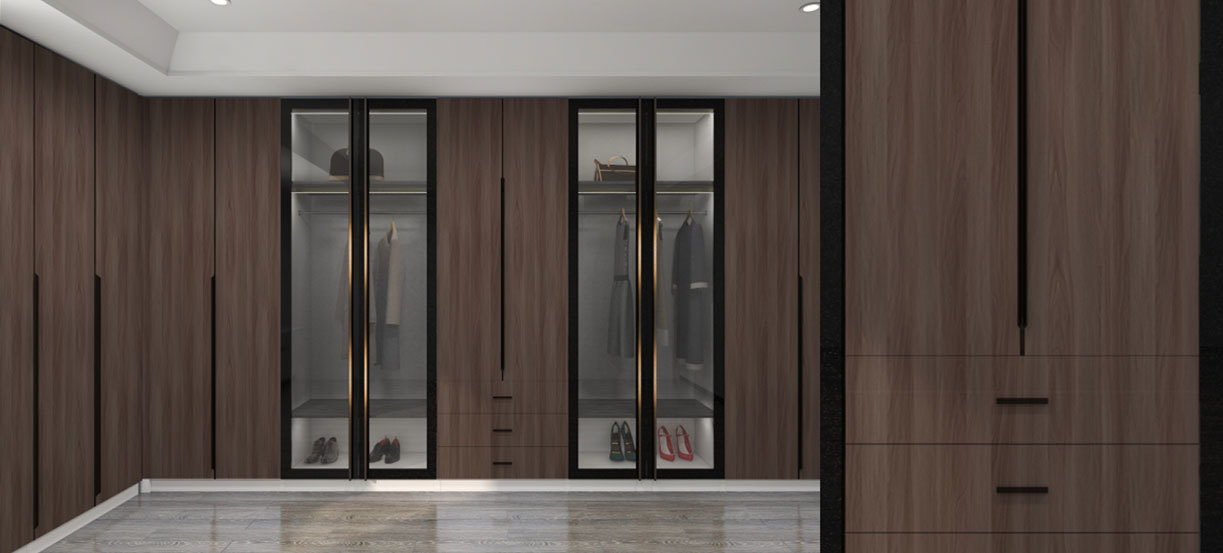
One of the primary benefits of using walnut veneer rolls is their ability to provide the luxurious appearance of solid wood at a fraction of the cost and weight. This makes them an excellent choice for a variety of applications, including cabinetry, wall paneling, and furniture design. In contrast to solid wood, veneer is much easier to work with, allowing for more intricate designs and applications without the bulkiness associated with solid wood products.
In addition to costs and ease of use, walnut veneer rolls offer sustainability advantages. As a natural product, walnut is sourced from renewable forests, making it an environmentally friendly option for conscious consumers. By choosing veneer over solid wood, you help reduce the demand for lumber, thereby contributing to forest conservation efforts. Furthermore, veneers are often made from fast-growing species or reclaimed wood, further enhancing their eco-friendly credentials.
Walnut veneer rolls can be applied in both residential and commercial settings. In homes, they are commonly used to create warm, inviting spaces, such as living rooms and dining areas, where the rich tones of walnut can create a cozy atmosphere. In commercial environments, walnut veneer can be utilized for executive offices or high-end retail spaces, where a sophisticated and elegant appearance is essential for making a lasting impression on clients and customers.
Another interesting aspect of walnut veneer rolls is their adaptability. They can be easily stained or finished to achieve desired color tones, providing designers with the flexibility to match existing décor or create unique design statements. Additionally, veneer rolls can be applied to various substrates, such as MDF or plywood, allowing them to be used in a wide range of projects.
Maintenance of walnut veneer is relatively simple. Regular dusting and occasional polishing can keep the surface looking fresh and vibrant. However, it is essential to avoid harsh chemicals that may damage the veneer finish. By following basic care guidelines, walnut veneer rolls can retain their beauty for years to come.
In conclusion, walnut veneer rolls present an attractive, sustainable, and versatile solution for architectural design and decorative materials. Their ability to enhance the aesthetic appeal of spaces while offering practical benefits makes them a valuable option for both professional designers and DIY enthusiasts alike. By understanding the unique properties and applications of walnut veneer, individuals can make informed decisions that elevate their projects to new heights.
One of the primary benefits of using walnut veneer rolls is their ability to provide the luxurious appearance of solid wood at a fraction of the cost and weight. This makes them an excellent choice for a variety of applications, including cabinetry, wall paneling, and furniture design. In contrast to solid wood, veneer is much easier to work with, allowing for more intricate designs and applications without the bulkiness associated with solid wood products.
In addition to costs and ease of use, walnut veneer rolls offer sustainability advantages. As a natural product, walnut is sourced from renewable forests, making it an environmentally friendly option for conscious consumers. By choosing veneer over solid wood, you help reduce the demand for lumber, thereby contributing to forest conservation efforts. Furthermore, veneers are often made from fast-growing species or reclaimed wood, further enhancing their eco-friendly credentials.
Walnut veneer rolls can be applied in both residential and commercial settings. In homes, they are commonly used to create warm, inviting spaces, such as living rooms and dining areas, where the rich tones of walnut can create a cozy atmosphere. In commercial environments, walnut veneer can be utilized for executive offices or high-end retail spaces, where a sophisticated and elegant appearance is essential for making a lasting impression on clients and customers.
Another interesting aspect of walnut veneer rolls is their adaptability. They can be easily stained or finished to achieve desired color tones, providing designers with the flexibility to match existing décor or create unique design statements. Additionally, veneer rolls can be applied to various substrates, such as MDF or plywood, allowing them to be used in a wide range of projects.
Maintenance of walnut veneer is relatively simple. Regular dusting and occasional polishing can keep the surface looking fresh and vibrant. However, it is essential to avoid harsh chemicals that may damage the veneer finish. By following basic care guidelines, walnut veneer rolls can retain their beauty for years to come.
In conclusion, walnut veneer rolls present an attractive, sustainable, and versatile solution for architectural design and decorative materials. Their ability to enhance the aesthetic appeal of spaces while offering practical benefits makes them a valuable option for both professional designers and DIY enthusiasts alike. By understanding the unique properties and applications of walnut veneer, individuals can make informed decisions that elevate their projects to new heights.
Next page:
Get a free quote
We welcome your inquiries. Tell us about your project to get a free quote.
Contact Us
Address: No. 3, Xinyuan 1st Road, Jili Industrial Park, Nan Zhuang Town, Chancheng District, Foshan City, Guangdong Province


Foshan Zhonghong Decoration Materials Co., Ltd.Technical Support:China Enterprise Network Shunde |SEO
Business License