


language
Comparing Hickory Shellbark Veneer with Other Natural Woods: A Comprehensive Guide
Jun 04,2026

Comparing Hickory Shellbark Veneer with Other Natural Woods
Table of Contents
- 1. Introduction to Hickory Shellbark Veneer
- 2. Characteristics of Hickory Shellbark Veneer
- 3. Comparing Hickory Shellbark Veneer with Other Natural Woods
- 4. Applications and Uses of Hickory Shellbark Veneer
- 5. Care and Maintenance of Hickory Shellbark Veneer
- 6. Cost Comparison of Hickory Shellbark and Other Natural Woods
- 7. Frequently Asked Questions
- 8. Conclusion
1. Introduction to Hickory Shellbark Veneer
Hickory Shellbark Veneer is a unique and versatile material, prized for its beauty and functional properties. Originating from the Hickory tree, specifically the Shellbark variety, this veneer offers a distinctive aesthetic that can elevate various applications in woodworking and interior design. In this article, we will explore the intricate details of Hickory Shellbark Veneer, comparing it to other popular natural woods, and provide insights into its advantages and best uses.
2. Characteristics of Hickory Shellbark Veneer
2.1 Appearance
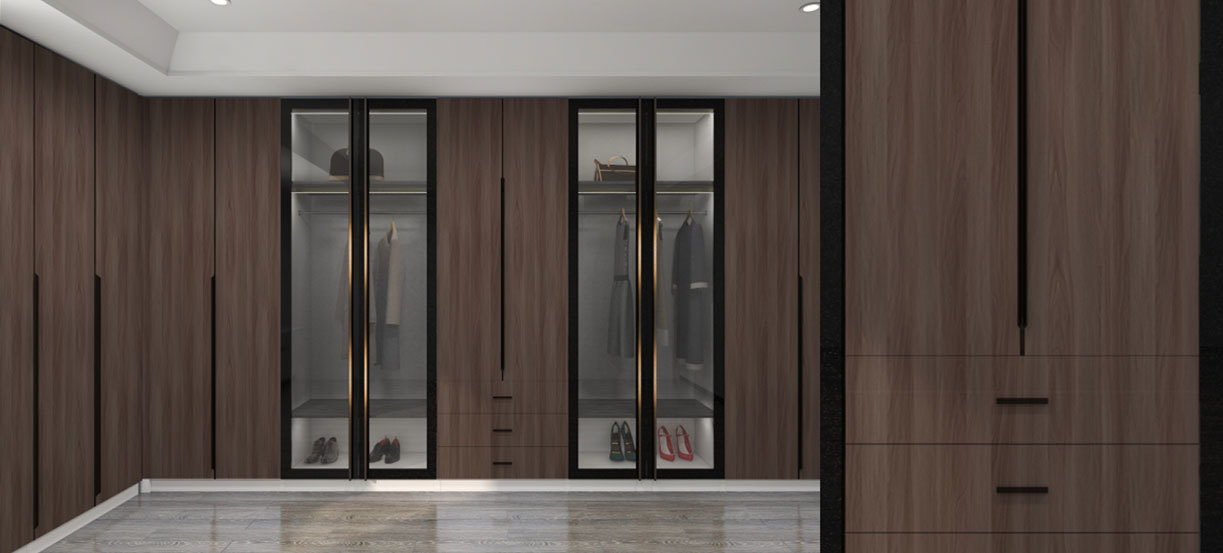
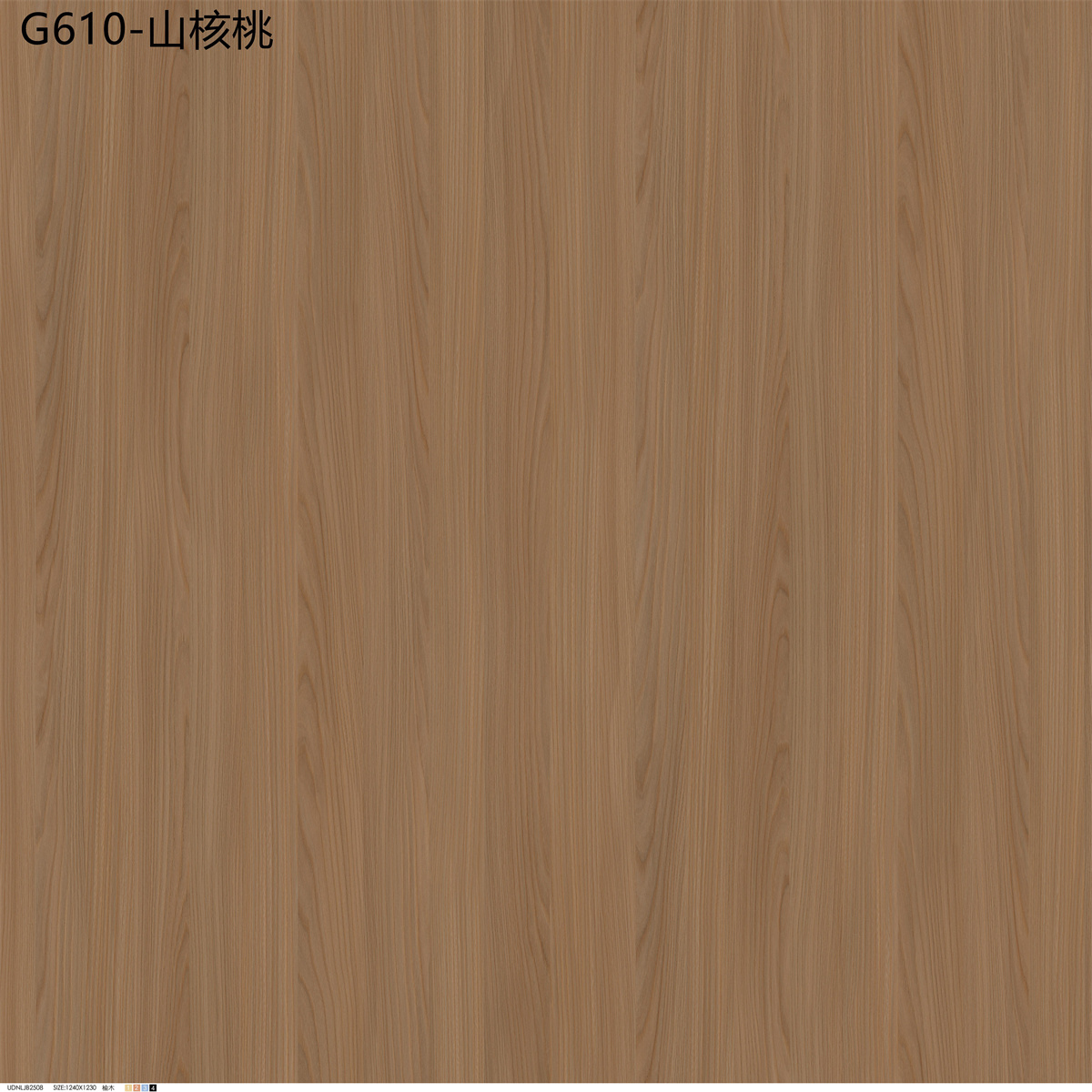
Hickory Shellbark Veneer is renowned for its striking visual appeal. The wood features a rich, warm color palette that ranges from light to dark brown, often with subtle grey or reddish undertones. Its grain is generally straight with a fine to medium texture, creating a sophisticated look that can suit both modern and traditional design aesthetics.
2.2 Durability
One of the standout characteristics of Hickory Shellbark is its exceptional durability. Known as one of the hardest domestic hardwoods, Hickory possesses a Janka hardness rating that surpasses many other woods. This durability makes it an ideal choice for high-traffic areas and applications that require resilience, such as flooring and cabinetry.
2.3 Sustainability
In recent years, sustainability has become a crucial consideration in material selection. Hickory Shellbark Veneer is sourced from responsibly managed forests, promoting sustainable harvesting practices. As a result, using this veneer not only enhances your project’s aesthetics but also contributes to environmental stewardship.
3. Comparing Hickory Shellbark Veneer with Other Natural Woods
When selecting materials for woodworking projects, it is essential to compare different woods based on their properties. Here, we will contrast Hickory Shellbark Veneer with other popular natural veneers, highlighting their unique attributes and applications.
3.1 Oak Veneer
Oak is a widely recognized wood species with a long-standing reputation for strength and durability. Its grain pattern is bold and prominent, often featuring knots and swirls. While Oak is incredibly sturdy, Hickory Shellbark offers superior hardness and shock resistance. Oak is also more susceptible to moisture damage compared to Hickory, making the latter a better choice for humid environments.
3.2 Maple Veneer
Maple, especially hard maple, is known for its light color and fine grain. While Maple is durable and resists wear, it does not match the hardness of Hickory Shellbark. Additionally, Hickory’s richer color variations provide a more dynamic visual profile, making it preferable for decorative applications.
3.3 Walnut Veneer
Walnut is cherished for its deep, rich colors and elegant grain patterns. While it offers a luxurious appearance, Walnut is softer than Hickory, making it more prone to scratches and dents. Hickory Shellbark’s superior durability makes it a more practical choice for furniture and fixtures that endure daily use.
3.4 Cherry Veneer
Cherry veneer is favored for its warm tones and smooth finish, which darkens beautifully with age. However, like Walnut, Cherry is not as hard as Hickory Shellbark. For projects that require longevity and resistance to wear, Hickory is the more reliable material.
4. Applications and Uses of Hickory Shellbark Veneer
Hickory Shellbark Veneer is incredibly versatile, making it suitable for a wide range of applications. Here are some common uses:
- **Cabinetry**: The beauty and resilience of Hickory make it a popular choice for kitchen and bathroom cabinets, providing both style and function.
- **Furniture**: Sofas, tables, and chairs crafted from Hickory Shellbark Veneer are not only aesthetically pleasing but also withstand the test of time.
- **Flooring**: Given its hardness, Hickory is an excellent choice for hardwood flooring, ensuring durability and ease of maintenance.
- **Interior Accents**: Wall paneling, trim, and decorative elements in Hickory Shellbark can add warmth and character to any space.
5. Care and Maintenance of Hickory Shellbark Veneer
Maintaining the beauty of Hickory Shellbark Veneer is essential to prolong its life and appearance. Here are some tips for proper care:
- **Cleaning**: Use a soft, damp cloth to wipe down surfaces, avoiding harsh chemicals that may damage the finish.
- **Avoid Moisture**: Keep Hickory away from excessive moisture and humidity to prevent warping or damage.
- **Regular Polishing**: Periodically apply a wood-safe polish to enhance the sheen and protect the surface.
- **Temperature Control**: Maintain consistent temperatures within your home to prevent expansion and contraction of the wood.
6. Cost Comparison of Hickory Shellbark and Other Natural Woods
When considering material options, cost is often a deciding factor. Hickory Shellbark Veneer is generally more expensive than some softer woods, such as Pine or Poplar. However, it remains competitively priced when compared to other hardwoods like Oak or Walnut. The investment in Hickory is justified by its durability and aesthetic appeal, which can enhance the value of your projects.
7. Frequently Asked Questions
What is Hickory Shellbark Veneer?
Hickory Shellbark Veneer is a natural wood product derived from the Shellbark Hickory tree, known for its hardness, durability, and striking appearance.
How does Hickory compare to softer woods?
Hickory is significantly harder and more durable than softer woods, making it a superior choice for applications that require resistance to wear and tear.
Is Hickory Shellbark Veneer sustainable?
Yes, Hickory Shellbark is sourced from responsibly managed forests, promoting sustainable practices in wood harvesting.
Can I use Hickory Shellbark for outdoor furniture?
While Hickory Shellbark is durable, it is recommended to use treated or specially coated wood for outdoor applications to withstand the elements.
How should I maintain Hickory Shellbark Veneer?
Regular cleaning with a damp cloth, avoiding excessive moisture, and periodic polishing will keep Hickory Shellbark looking its best.
8. Conclusion
In summary, Hickory Shellbark Veneer stands out in the realm of natural woods, offering a unique combination of beauty, durability, and sustainability. Its rich appearance and superior hardness make it an ideal choice for various woodworking applications, from cabinetry to flooring. By comparing Hickory Shellbark with other popular woods such as Oak, Maple, Walnut, and Cherry, we can appreciate its distinct advantages and make informed choices for our projects. Embracing Hickory Shellbark Veneer not only enhances design aesthetics but also aligns with responsible sourcing practices, making it a valuable material for the conscientious woodworker.
Get a free quote
We welcome your inquiries. Tell us about your project to get a free quote.
Contact Us
Address: No. 3, Xinyuan 1st Road, Jili Industrial Park, Nan Zhuang Town, Chancheng District, Foshan City, Guangdong Province


Foshan Zhonghong Decoration Materials Co., Ltd.Technical Support:China Enterprise Network Shunde |SEO
Business License