


language
The Beauty and Versatility of Elm Wood Grain Veneer in Architectural Design
May 28,2026
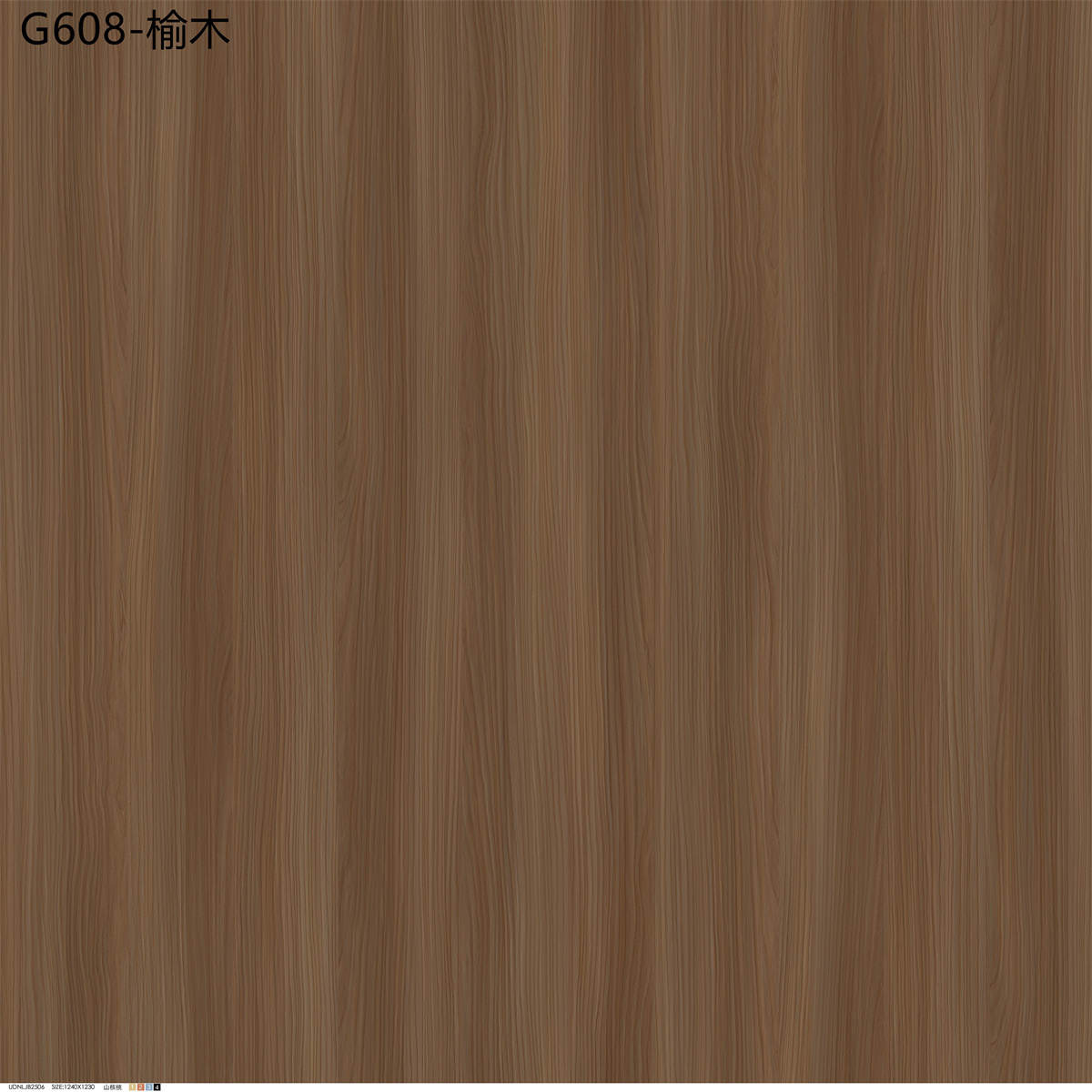
Elm Wood Grain Veneer has gained recognition in the field of architectural and decorative materials due to its distinct visual appeal and practical benefits. This natural wood veneer is derived from the elm tree, which is known for its durability and attractive grain patterns. The rich textures and warm hues of elm wood make it an excellent choice for a variety of applications, from cabinetry to wall paneling, bringing a touch of nature indoors.
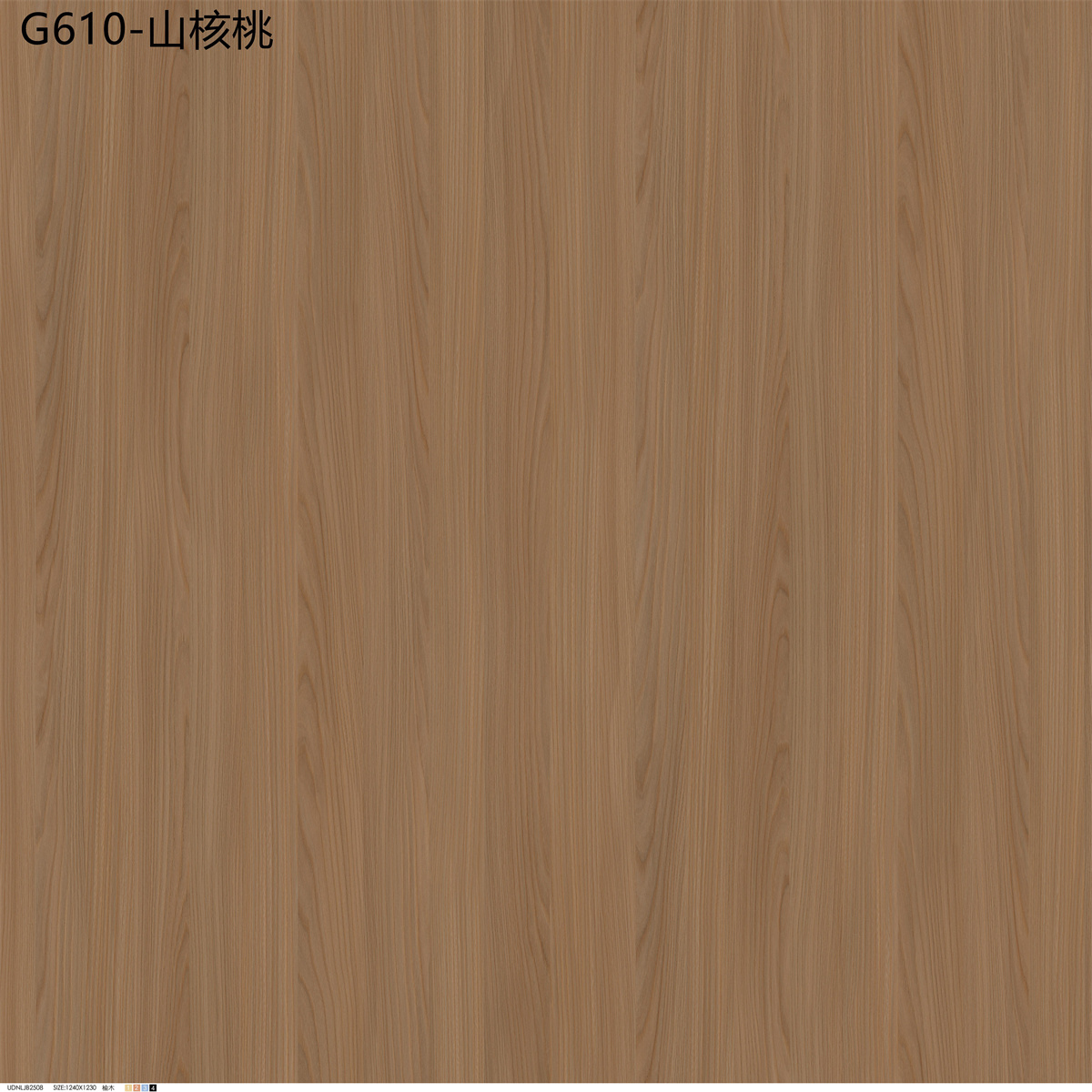
One of the most appealing aspects of Elm Wood Grain Veneer is its unique grain pattern. Each piece of veneer is one-of-a-kind, showcasing a blend of straight and wavy lines that can add depth and character to any design. This natural variability in appearance allows architects and designers to create personalized spaces that reflect their creative vision. In addition to its beauty, elm wood is also renowned for its strength and resilience, making it suitable for high-traffic areas in both residential and commercial settings.
In terms of sustainability, Elm Wood Grain Veneer is an environmentally friendly choice. Veneers are manufactured by slicing thin layers of wood from a log, which means that less raw material is used compared to solid wood products. This efficient use of resources helps to conserve valuable timber while still offering the luxurious look of solid wood. Furthermore, many manufacturers source their elm wood from responsibly managed forests, ensuring that their products align with sustainable practices.
The versatility of Elm Wood Grain Veneer extends beyond aesthetic appeal; it can also be easily manipulated to fit a variety of design requirements. It can be applied to curved surfaces, making it ideal for furniture design and custom cabinetry. Additionally, it can be finished in a range of stains and sheens, allowing designers to customize the look to match specific color schemes or styles.
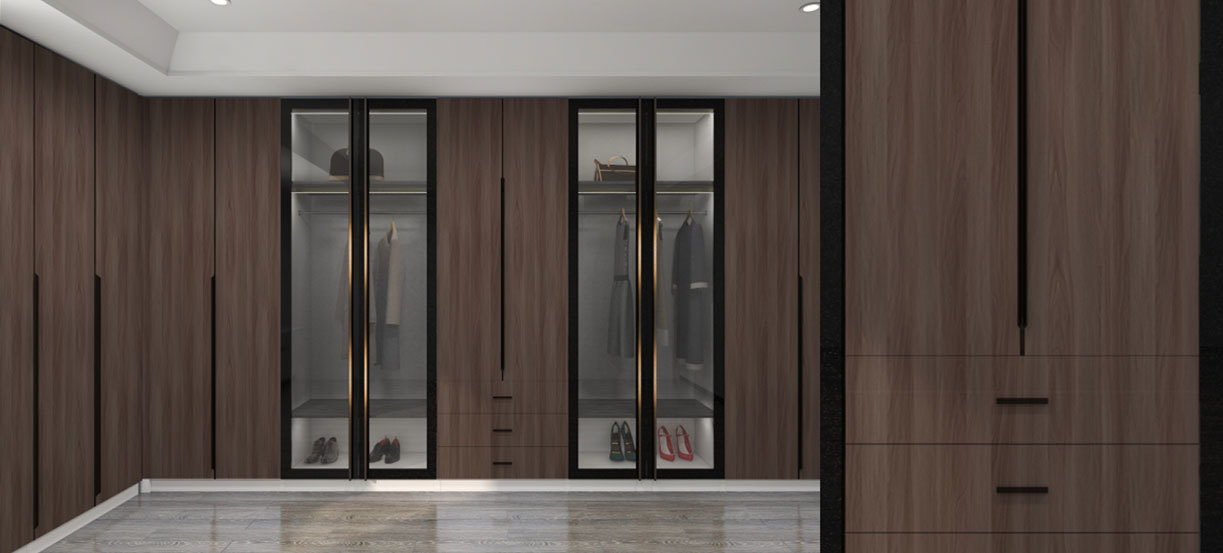
In construction and interior design, Elm Wood Grain Veneer is often used in combination with other materials, such as metals and glass, to create striking contrasts and modern aesthetics. Its warm tones can soften the look of industrial materials, bringing a more inviting atmosphere to commercial spaces. Whether used in offices, retail environments, or homes, elm veneer can play a pivotal role in creating harmonious and visually appealing designs.
In conclusion, Elm Wood Grain Veneer is a remarkable choice for professionals in the architecture and design industries. With its unique grain patterns, strength, sustainability, and versatility, it serves not only as a decorative material but also as a functional component in various applications. As the demand for natural materials continues to grow, Elm Wood Grain Veneer stands out as a timeless and stylish option for enhancing any space.
One of the most appealing aspects of Elm Wood Grain Veneer is its unique grain pattern. Each piece of veneer is one-of-a-kind, showcasing a blend of straight and wavy lines that can add depth and character to any design. This natural variability in appearance allows architects and designers to create personalized spaces that reflect their creative vision. In addition to its beauty, elm wood is also renowned for its strength and resilience, making it suitable for high-traffic areas in both residential and commercial settings.
In terms of sustainability, Elm Wood Grain Veneer is an environmentally friendly choice. Veneers are manufactured by slicing thin layers of wood from a log, which means that less raw material is used compared to solid wood products. This efficient use of resources helps to conserve valuable timber while still offering the luxurious look of solid wood. Furthermore, many manufacturers source their elm wood from responsibly managed forests, ensuring that their products align with sustainable practices.
The versatility of Elm Wood Grain Veneer extends beyond aesthetic appeal; it can also be easily manipulated to fit a variety of design requirements. It can be applied to curved surfaces, making it ideal for furniture design and custom cabinetry. Additionally, it can be finished in a range of stains and sheens, allowing designers to customize the look to match specific color schemes or styles.
In construction and interior design, Elm Wood Grain Veneer is often used in combination with other materials, such as metals and glass, to create striking contrasts and modern aesthetics. Its warm tones can soften the look of industrial materials, bringing a more inviting atmosphere to commercial spaces. Whether used in offices, retail environments, or homes, elm veneer can play a pivotal role in creating harmonious and visually appealing designs.
In conclusion, Elm Wood Grain Veneer is a remarkable choice for professionals in the architecture and design industries. With its unique grain patterns, strength, sustainability, and versatility, it serves not only as a decorative material but also as a functional component in various applications. As the demand for natural materials continues to grow, Elm Wood Grain Veneer stands out as a timeless and stylish option for enhancing any space.
Get a free quote
We welcome your inquiries. Tell us about your project to get a free quote.
Contact Us
Address: No. 3, Xinyuan 1st Road, Jili Industrial Park, Nan Zhuang Town, Chancheng District, Foshan City, Guangdong Province


Foshan Zhonghong Decoration Materials Co., Ltd.Technical Support:China Enterprise Network Shunde |SEO
Business License