


language
Exploring the Versatility and Benefits of Wood Veneer in Architectural Design
May 14,2026
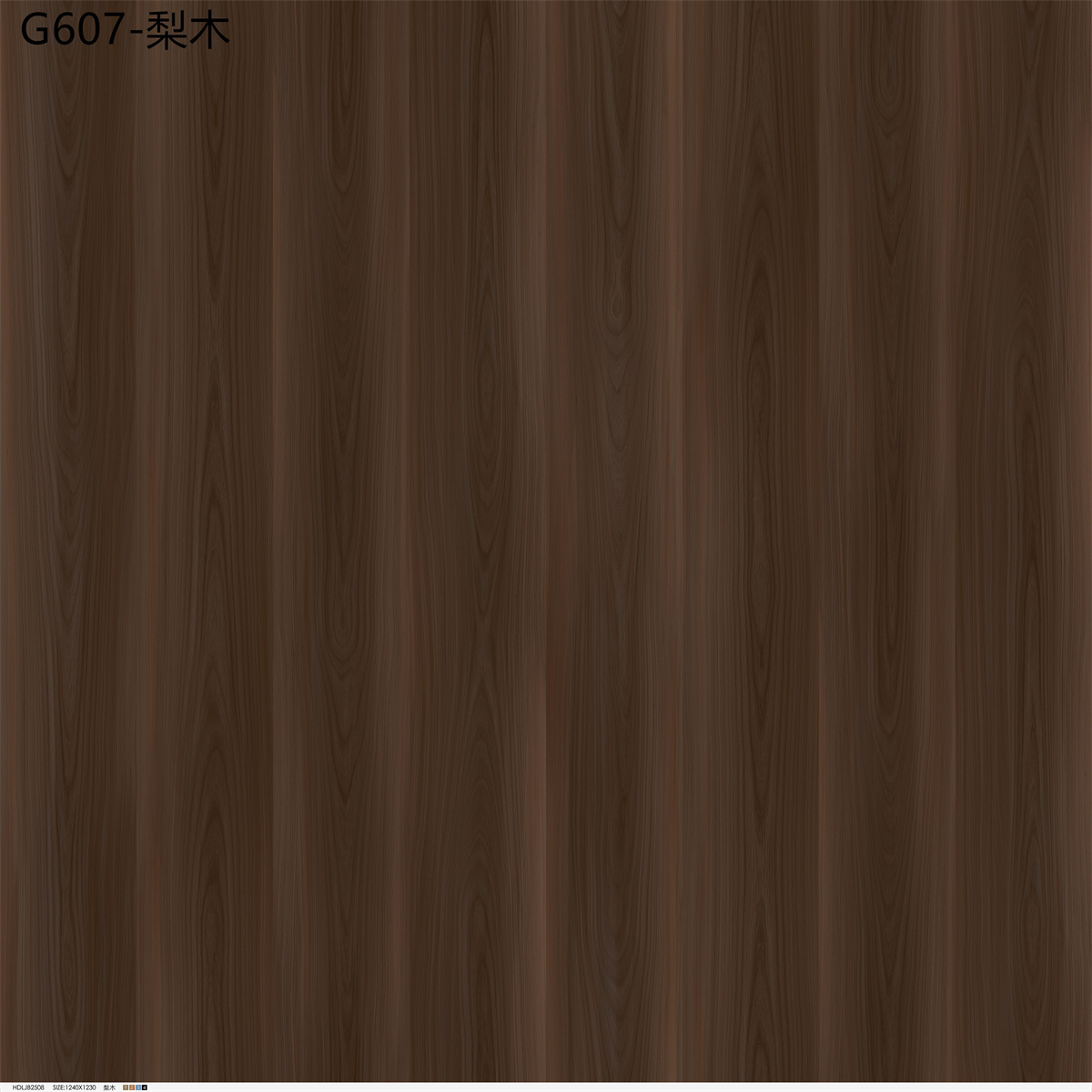
Wood veneer is a thin layer or slice of wood that is typically less than 3 mm thick. It is widely used in various architectural and decorative applications due to its unique characteristics and aesthetic properties. The popularity of wood veneer in design and construction can be attributed to several key advantages that it offers to professionals in the industry.
One of the primary benefits of wood veneer is its sustainability. As a natural product, wood veneer is often sourced from responsibly managed forests, making it an environmentally friendly option compared to solid wood. This sustainable approach not only helps in preserving natural resources but also promotes the use of renewable materials in construction and design. By using wood veneer, architects and designers can achieve a luxurious appearance while minimizing their environmental impact.
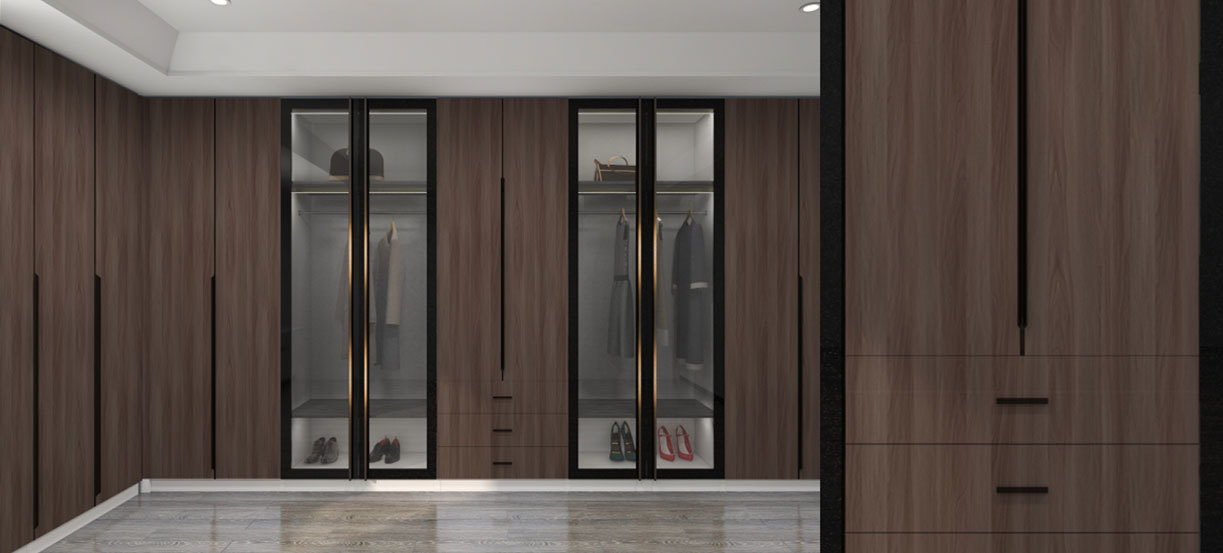
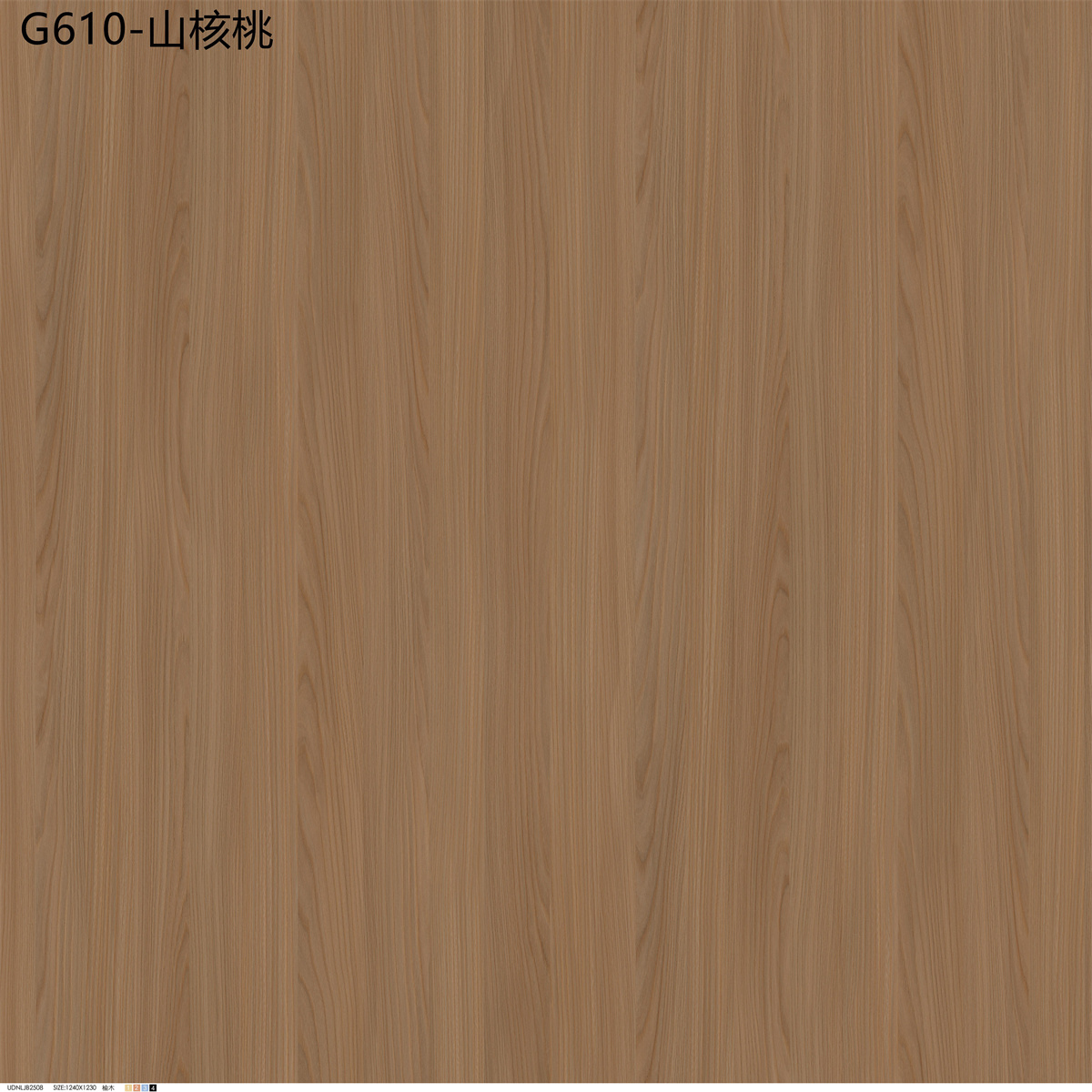
In terms of aesthetics, wood veneer brings a warmth and richness that is hard to replicate with synthetic materials. It comes in a variety of species, each with its own distinct grain patterns and colors, allowing for diverse design possibilities. This versatility makes wood veneer suitable for various applications, including furniture, wall coverings, cabinetry, and decorative accents. Whether aiming for a modern look or a more traditional feel, wood veneer can be tailored to fit the desired style of any project.
Furthermore, wood veneer is lightweight and easier to work with than solid wood, which can be a significant advantage during the construction and installation phases. Its thin profile allows for intricate designs and curved surfaces, expanding the creative possibilities for designers. Additionally, veneer can be applied to substrates such as MDF or plywood, providing a stable base that enhances durability while maintaining a beautiful wood finish.
Another important aspect of wood veneer is its cost-effectiveness. When compared to solid wood, wood veneer offers a more affordable solution while still delivering the luxurious look of natural wood. This makes it an attractive option for both high-end and budget-conscious projects alike.
In summary, wood veneer stands out as a versatile and sustainable choice for architects and designers in the building and decorative materials industry. Its aesthetic appeal, ease of use, and eco-friendly attributes make it an excellent material for achieving stunning design outcomes. By understanding the benefits and applications of wood veneer, professionals can leverage this material to enhance their projects and create beautiful, enduring spaces.
One of the primary benefits of wood veneer is its sustainability. As a natural product, wood veneer is often sourced from responsibly managed forests, making it an environmentally friendly option compared to solid wood. This sustainable approach not only helps in preserving natural resources but also promotes the use of renewable materials in construction and design. By using wood veneer, architects and designers can achieve a luxurious appearance while minimizing their environmental impact.
In terms of aesthetics, wood veneer brings a warmth and richness that is hard to replicate with synthetic materials. It comes in a variety of species, each with its own distinct grain patterns and colors, allowing for diverse design possibilities. This versatility makes wood veneer suitable for various applications, including furniture, wall coverings, cabinetry, and decorative accents. Whether aiming for a modern look or a more traditional feel, wood veneer can be tailored to fit the desired style of any project.
Furthermore, wood veneer is lightweight and easier to work with than solid wood, which can be a significant advantage during the construction and installation phases. Its thin profile allows for intricate designs and curved surfaces, expanding the creative possibilities for designers. Additionally, veneer can be applied to substrates such as MDF or plywood, providing a stable base that enhances durability while maintaining a beautiful wood finish.
Another important aspect of wood veneer is its cost-effectiveness. When compared to solid wood, wood veneer offers a more affordable solution while still delivering the luxurious look of natural wood. This makes it an attractive option for both high-end and budget-conscious projects alike.
In summary, wood veneer stands out as a versatile and sustainable choice for architects and designers in the building and decorative materials industry. Its aesthetic appeal, ease of use, and eco-friendly attributes make it an excellent material for achieving stunning design outcomes. By understanding the benefits and applications of wood veneer, professionals can leverage this material to enhance their projects and create beautiful, enduring spaces.
Get a free quote
We welcome your inquiries. Tell us about your project to get a free quote.
Contact Us
Address: No. 3, Xinyuan 1st Road, Jili Industrial Park, Nan Zhuang Town, Chancheng District, Foshan City, Guangdong Province


Foshan Zhonghong Decoration Materials Co., Ltd.Technical Support:China Enterprise Network Shunde |SEO
Business License