


language
Exploring the Aesthetic Appeal of Oak Wood Veneer: Transforming Spaces with Timeless Elegance
May 07,2026
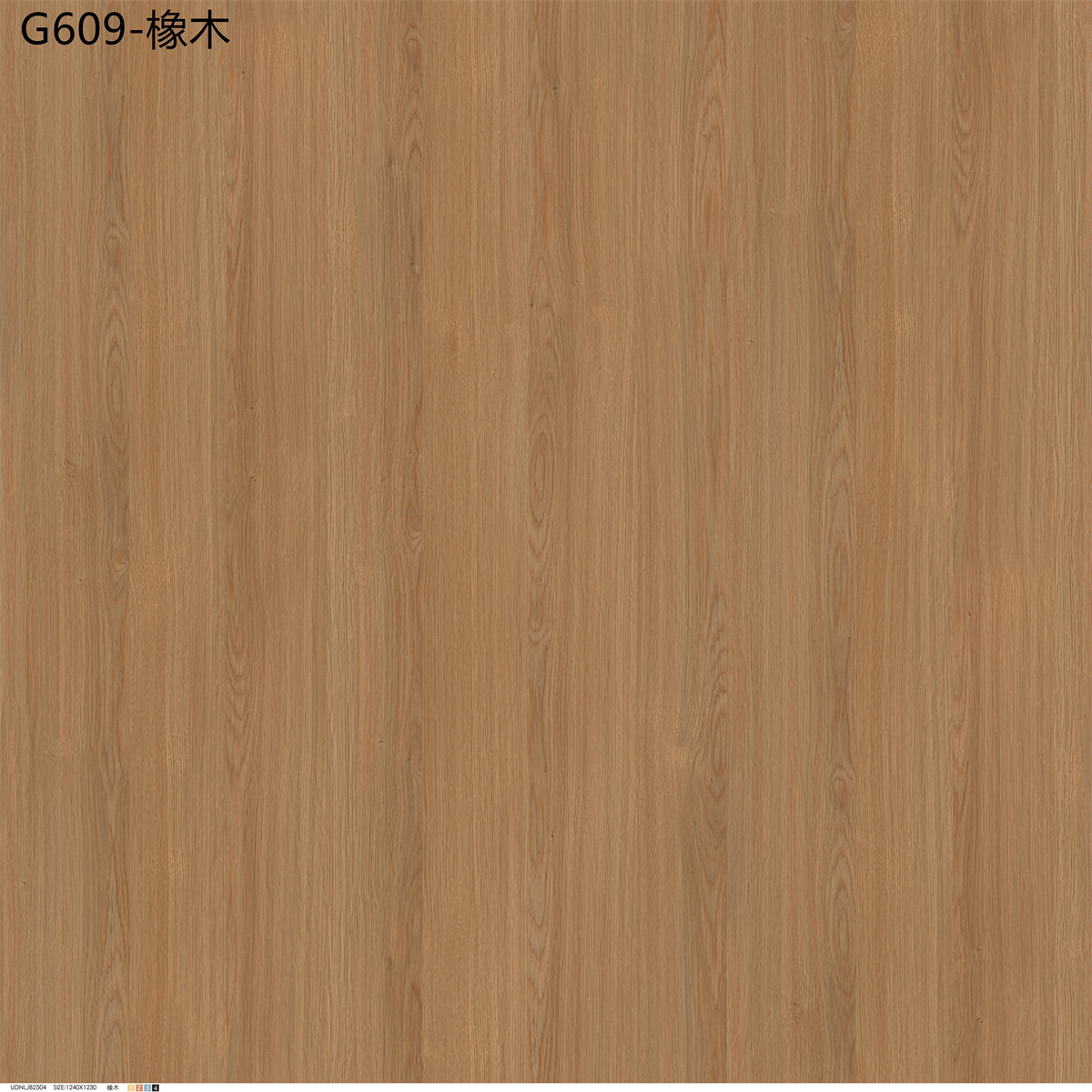
Exploring the Aesthetic Appeal of Oak Wood Veneer
Table of Contents
- 1. Introduction to Oak Wood Veneer
- 2. What is Oak Wood Veneer?
- 3. Advantages of Using Oak Wood Veneer
- 4. Applications of Oak Wood Veneer in Interior Design
- 5. Finishing Techniques for Oak Wood Veneer
- 6. Care and Maintenance of Oak Wood Veneer
- 7. Finding the Right Oak Veneer for Your Project
- 8. Conclusion
- 9. FAQs
1. Introduction to Oak Wood Veneer
Oak wood veneer has emerged as a popular choice among designers and homeowners looking to enhance their living and working spaces. Known for its rich texture and beautiful grain patterns, oak veneer offers a wonderful aesthetic appeal that can transform any room. This article will explore the various aspects of oak wood veneer, including its definition, benefits, and diverse applications in the world of interior design.
2. What is Oak Wood Veneer?
Oak wood veneer is a thin layer of oak wood that is sliced or peeled from a log. This process allows for the extraction of a beautiful surface while utilizing a smaller amount of wood compared to solid lumber. Veneer can be applied to various substrates, allowing for flexibility in design while maintaining the unique characteristics of oak.
Oak veneers are available in different cuts, such as plain sliced, quarter sawn, and rift sawn, each offering distinct visual patterns. The choice of cut influences the final appearance and can significantly affect the overall aesthetic of a project.
3. Advantages of Using Oak Wood Veneer
The growing popularity of oak wood veneer can be attributed to several compelling advantages.
3.1 Aesthetic Appeal
Oak veneer is celebrated for its timeless beauty. The warmth of its hues and intricate grain patterns contribute to its charm, making it an excellent choice for a variety of design styles, from rustic to contemporary. The versatility of oak allows it to blend seamlessly with other materials, adding depth and richness to interiors.
3.2 Sustainability
Using oak veneer is an environmentally responsible choice. By utilizing a thin layer of wood, veneer production can significantly reduce the amount of timber needed for furniture and surfaces. This approach not only conserves natural resources but also promotes sustainable forestry practices.
3.3 Cost-Effectiveness
Opting for oak veneer instead of solid oak can lead to considerable cost savings without sacrificing quality. Veneered products are often less expensive and easier to work with, making them an attractive option for both residential and commercial projects.
4. Applications of Oak Wood Veneer in Interior Design
Oak wood veneer is incredibly versatile, allowing it to be used in a wide range of applications within interior design. Here are some popular uses:
4.1 Oak Veneer Furniture
Oak veneer is commonly used in furniture manufacturing, including tables, chairs, and cabinets. The application of veneer enhances the visual appeal of items while maintaining structural integrity. Furniture with oak veneer provides the classic look of solid wood at a fraction of the cost.
4.2 Wall Panelling
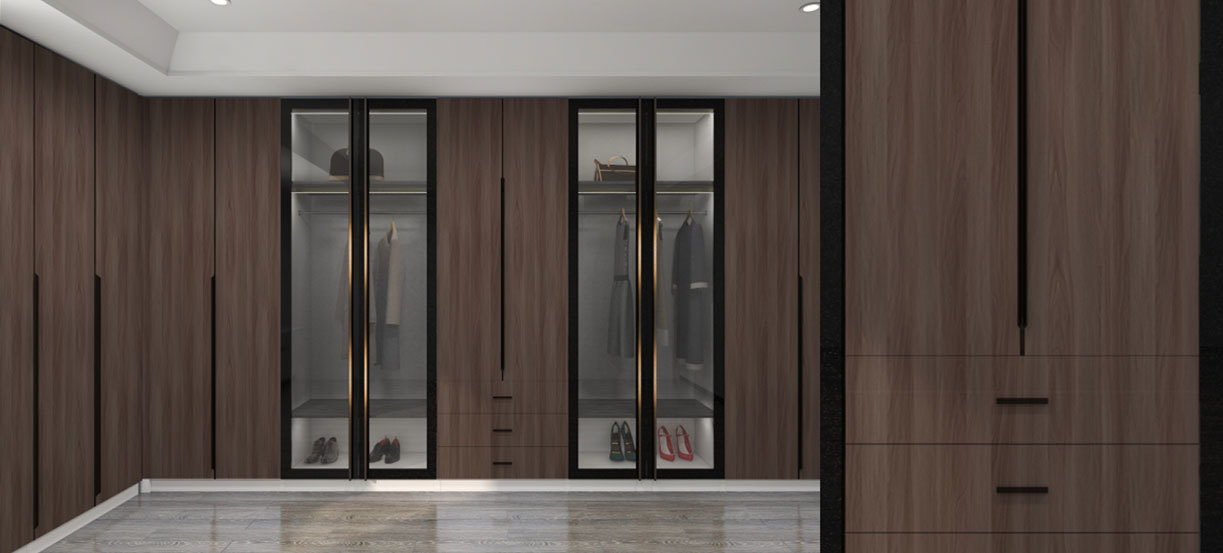
Incorporating oak veneer into wall panelling can create a warm and inviting atmosphere in any room. Whether used in residential spaces or commercial environments, oak paneling can add a touch of elegance and sophistication.
4.3 Cabinetry and Storage Solutions
Kitchen and bathroom cabinets made from oak veneer offer durability and style. The rich grain and hue of oak can complement various design themes, making it a popular choice for cabinetry.
5. Finishing Techniques for Oak Wood Veneer
To maximize the aesthetic appeal of oak wood veneer, understanding finishing techniques is essential. Proper finishing not only enhances the beauty of the wood but also provides protection against wear and tear. Here are some popular finishing options:
5.1 Staining
Staining can enhance the natural grain of oak veneer while allowing for personalization through color selection. Different stains can achieve various effects, from deep, rich tones to lighter, more natural looks.
5.2 Lacquering
Lacquering provides a glossy finish that adds depth and vibrancy to oak veneer. It also offers excellent protection against moisture and scratches, making it suitable for high-use areas.
5.3 Oil Finishes
Oil finishes penetrate the wood and enhance its natural beauty while providing a more natural look. This type of finish is easy to apply and can be reapplied as needed, ensuring longevity.
6. Care and Maintenance of Oak Wood Veneer
Maintaining oak wood veneer is essential for preserving its beauty and extending its lifespan. Here are some tips for proper care:
6.1 Cleaning
Regular dusting with a soft cloth can prevent the buildup of dirt and grime. For deeper cleaning, use a damp cloth with a mild soap solution and avoid harsh chemicals that can damage the finish.
6.2 Avoiding Damage
Protect oak veneer surfaces from direct sunlight to prevent fading. Always use coasters, placemats, and cutting boards to minimize the risk of scratches and heat damage.
7. Finding the Right Oak Veneer for Your Project
Choosing the right oak veneer involves considering several factors, including grain pattern, color, and thickness. Look for reputable suppliers who provide high-quality veneers that meet your project needs. Sample pieces can help you determine the best match for your design vision.
8. Conclusion
In conclusion, oak wood veneer stands out for its aesthetic appeal, sustainability, and versatility. Whether you are designing a new space or updating existing interiors, oak veneer offers a range of options that can enhance any environment. Its timeless beauty and practicality make it a go-to choice for designers and homeowners alike.
9. FAQs
1. What is the difference between oak veneer and solid oak?
Oak veneer is a thin layer of oak wood applied to a substrate, while solid oak is a solid piece of wood. Veneer is more cost-effective and sustainable, whereas solid oak offers durability but is typically more expensive.
2. Can oak veneer be refinished?
Yes, oak veneer can be refinished, but it requires careful handling to avoid damaging the thin layer. It is advisable to consult a professional for refinishing projects.
3. Is oak veneer suitable for kitchen cabinets?
Absolutely! Oak veneer is an excellent choice for kitchen cabinets due to its durability and attractive appearance. Proper sealing and finishing will enhance its longevity in high-use areas.
4. How do I maintain oak wood veneer?
Regular cleaning with a soft cloth and avoiding harsh chemicals can help maintain the appearance of oak veneer. Preventative measures, like using coasters and avoiding direct sunlight, will also prolong its life.
5. Where can I buy high-quality oak veneer?
High-quality oak veneer can be purchased from specialty wood suppliers, home improvement stores, or online retailers. Look for reputable sources that offer a variety of options to meet your project needs.
Get a free quote
We welcome your inquiries. Tell us about your project to get a free quote.
Contact Us
Address: No. 3, Xinyuan 1st Road, Jili Industrial Park, Nan Zhuang Town, Chancheng District, Foshan City, Guangdong Province


Foshan Zhonghong Decoration Materials Co., Ltd.Technical Support:China Enterprise Network Shunde |SEO
Business License