


language
Exploring the Versatility and Benefits of Wood Veneer in Architecture and Design
Jan 22,2026

Wood veneer is a thin layer of natural wood that is sliced from a log, typically ranging from 0.5 to 3 millimeters in thickness. It is widely used in the architectural and decorative materials sector due to its aesthetic appeal, sustainability, and versatility. Here, we will explore the key properties, advantages, and applications of wood veneer, making it an essential choice for professionals in the industry.
One of the primary benefits of using wood veneer is its ability to provide the natural beauty of solid wood while being more cost-effective and environmentally friendly. By using thin slices of wood, manufacturers can maximize the utilization of timber, reducing waste and promoting sustainable practices. This is especially important in an era where eco-conscious design is paramount, as it allows architects and designers to create stunning environments without depleting resources.
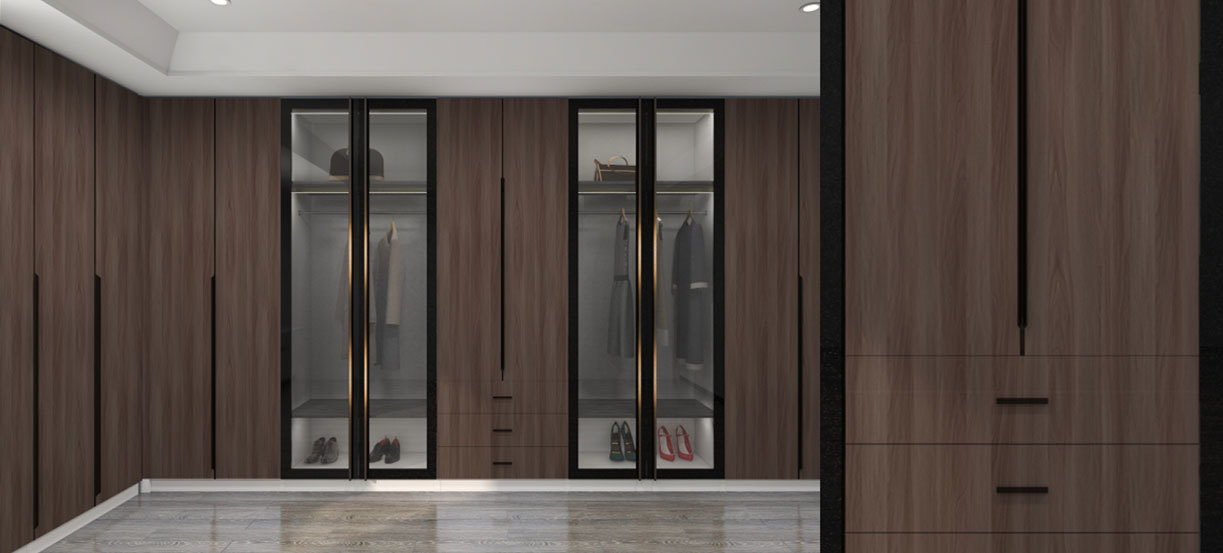
In terms of versatility, wood veneer can be applied to a wide range of substrates, including MDF (Medium-Density Fiberboard), plywood, and particleboard, allowing for various design possibilities. It can be used in cabinetry, wall paneling, furniture, and flooring, and can be finished in numerous ways, including staining, painting, or applying protective coatings. This adaptability makes wood veneer suitable for both residential and commercial projects, enabling creative freedom for architects and interior designers.
Furthermore, wood veneer offers excellent dimensional stability compared to solid wood. When applied correctly, it is less susceptible to warping or cracking due to changes in humidity and temperature. This resilience makes it a reliable choice for various climates and settings, ensuring longevity and durability in design applications.
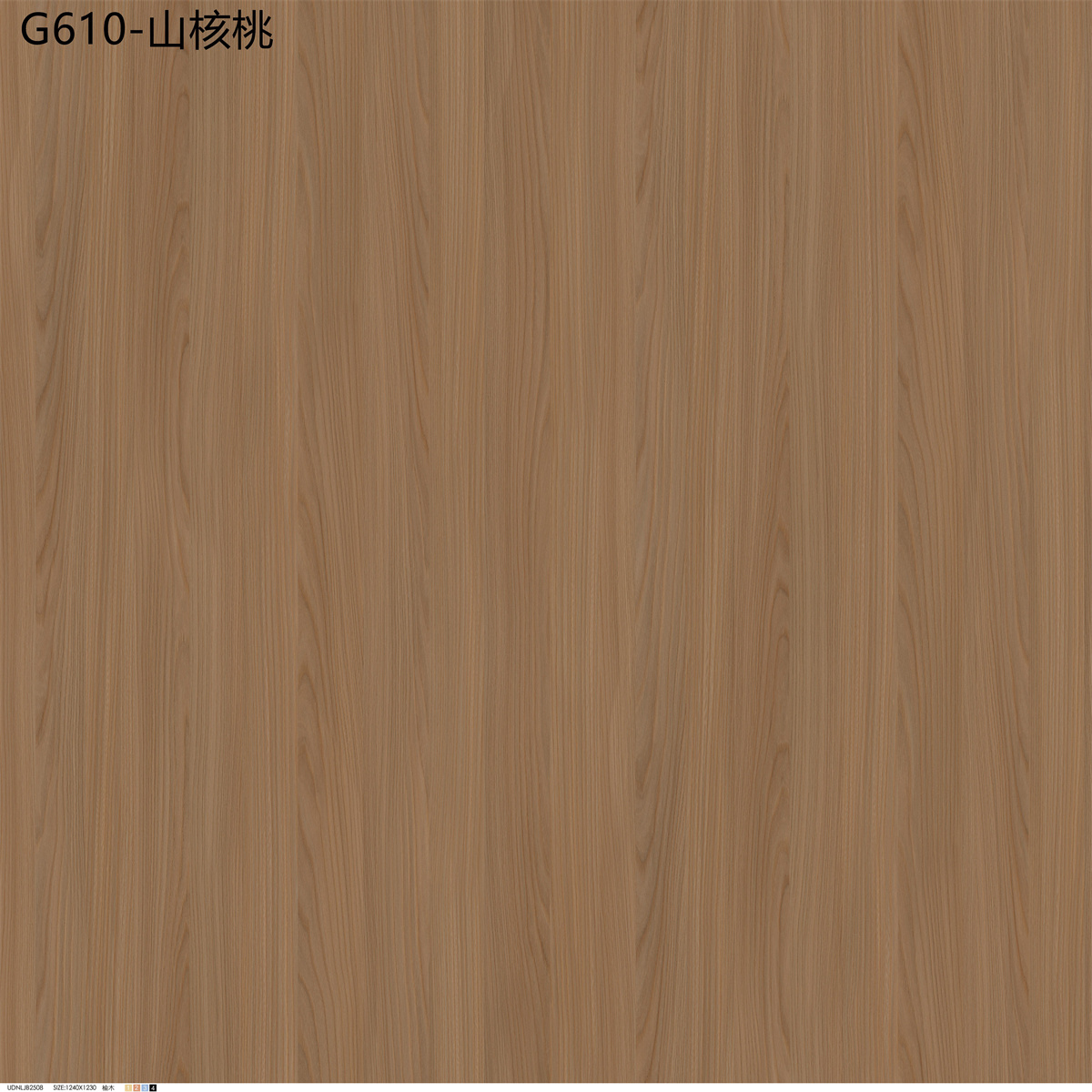
Another important aspect of wood veneer is its aesthetic versatility. With an array of species available, from rich mahogany to light birch, designers can achieve a variety of looks and feels, catering to diverse tastes and styles. Additionally, the unique grain patterns found in natural wood add character and depth to any space, enhancing the overall ambiance.
In conclusion, wood veneer stands out as a remarkable material in the architecture and decorative materials industry. Its combination of beauty, sustainability, and versatility makes it an ideal choice for professionals looking to create innovative and environmentally responsible designs. Whether you are working on a residential project or a commercial space, incorporating wood veneer can elevate your design while supporting sustainable practices. Understanding its benefits and applications will empower you to make informed decisions that enhance both functionality and aesthetics in your projects.
One of the primary benefits of using wood veneer is its ability to provide the natural beauty of solid wood while being more cost-effective and environmentally friendly. By using thin slices of wood, manufacturers can maximize the utilization of timber, reducing waste and promoting sustainable practices. This is especially important in an era where eco-conscious design is paramount, as it allows architects and designers to create stunning environments without depleting resources.
In terms of versatility, wood veneer can be applied to a wide range of substrates, including MDF (Medium-Density Fiberboard), plywood, and particleboard, allowing for various design possibilities. It can be used in cabinetry, wall paneling, furniture, and flooring, and can be finished in numerous ways, including staining, painting, or applying protective coatings. This adaptability makes wood veneer suitable for both residential and commercial projects, enabling creative freedom for architects and interior designers.
Furthermore, wood veneer offers excellent dimensional stability compared to solid wood. When applied correctly, it is less susceptible to warping or cracking due to changes in humidity and temperature. This resilience makes it a reliable choice for various climates and settings, ensuring longevity and durability in design applications.
Another important aspect of wood veneer is its aesthetic versatility. With an array of species available, from rich mahogany to light birch, designers can achieve a variety of looks and feels, catering to diverse tastes and styles. Additionally, the unique grain patterns found in natural wood add character and depth to any space, enhancing the overall ambiance.
In conclusion, wood veneer stands out as a remarkable material in the architecture and decorative materials industry. Its combination of beauty, sustainability, and versatility makes it an ideal choice for professionals looking to create innovative and environmentally responsible designs. Whether you are working on a residential project or a commercial space, incorporating wood veneer can elevate your design while supporting sustainable practices. Understanding its benefits and applications will empower you to make informed decisions that enhance both functionality and aesthetics in your projects.
Get a free quote
We welcome your inquiries. Tell us about your project to get a free quote.
Contact Us
Address: No. 3, Xinyuan 1st Road, Jili Industrial Park, Nan Zhuang Town, Chancheng District, Foshan City, Guangdong Province


Foshan Zhonghong Decoration Materials Co., Ltd.Technical Support:China Enterprise Network Shunde |SEO
Business License