


language
The Versatility of Walnut Veneer Rolls in Architectural Design
Jan 08,2026
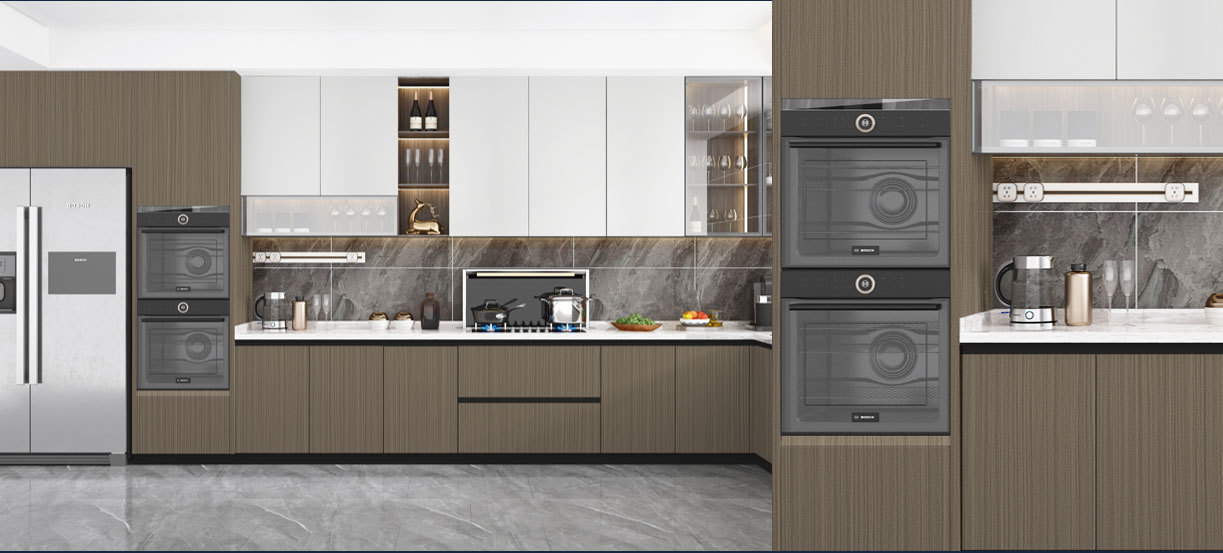
Walnut veneer rolls are an exceptional material choice in the architectural and decorative materials sector, particularly for professionals seeking to create visually stunning and functional spaces. With their rich, warm tones and distinctive grain patterns, walnut veneers bring a touch of elegance and sophistication to a wide range of applications.
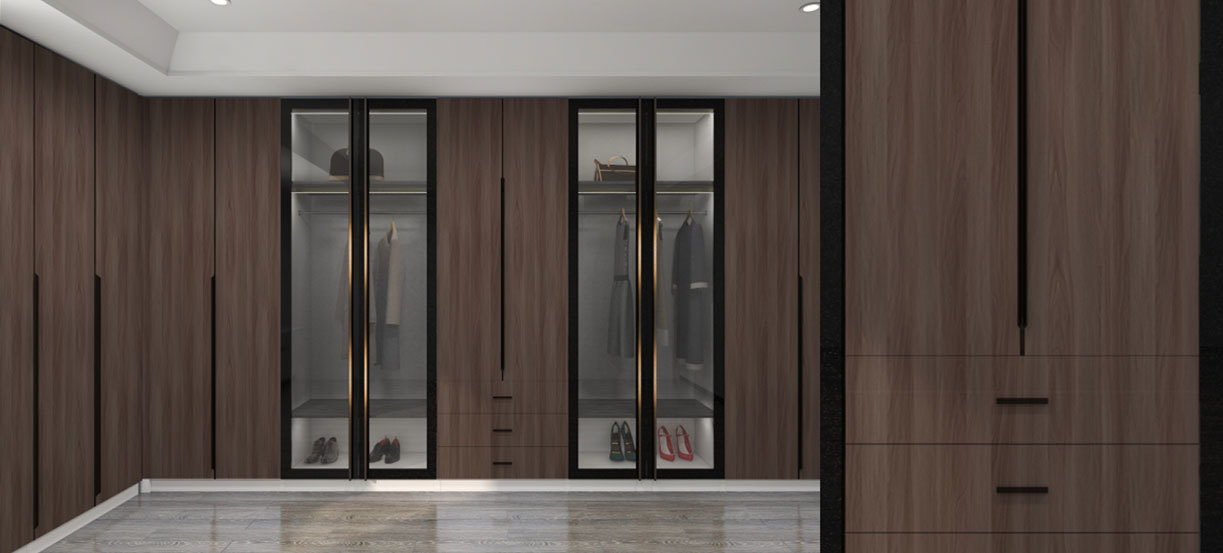
One of the primary advantages of walnut veneer rolls is their versatility. They can be used in both residential and commercial settings, serving as paneling, cabinetry, and furniture surfaces. The thin sheets of walnut wood provide the luxurious appearance of solid hardwood while consuming less material and offering a lighter weight alternative, making them easier to work with during installation.
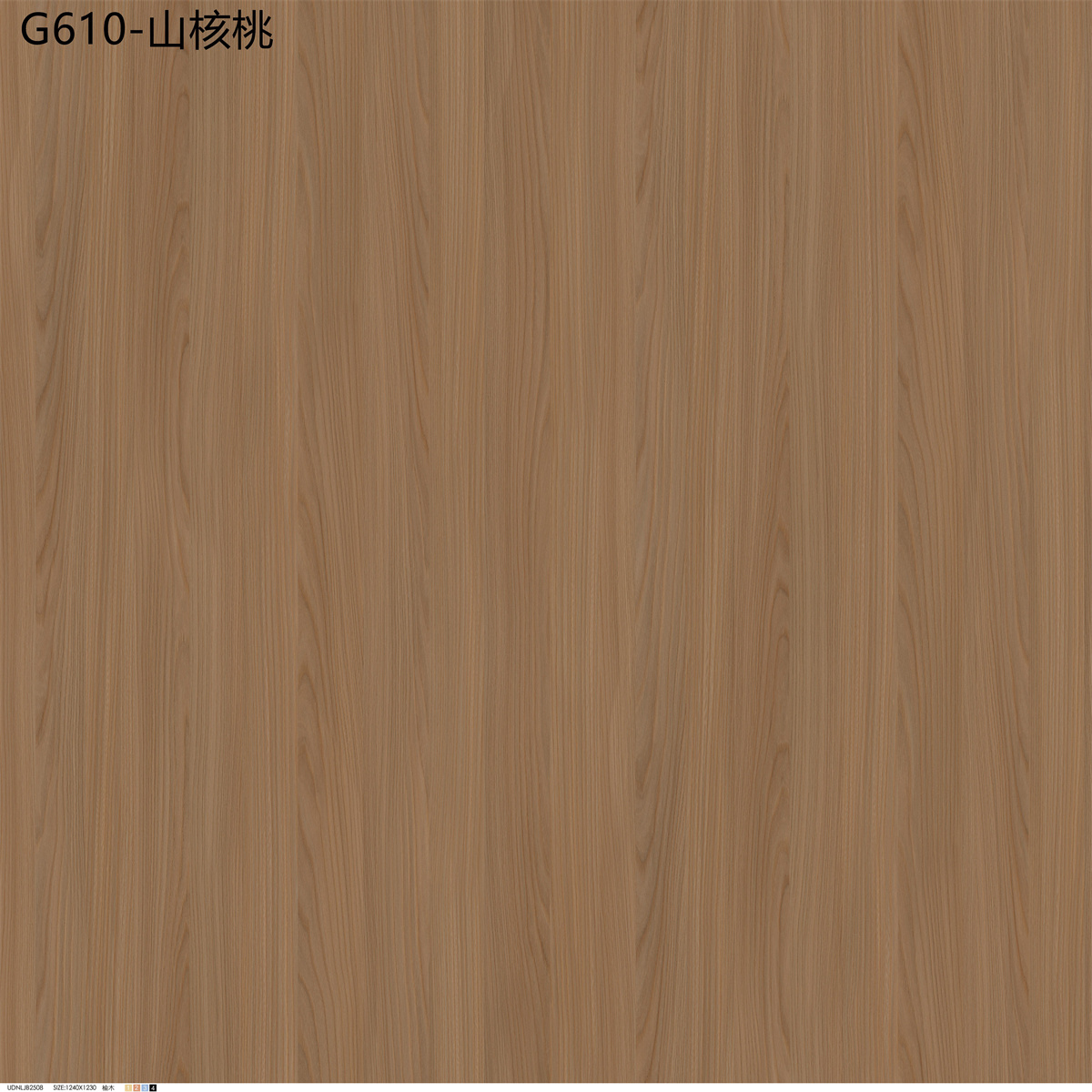
From a technical perspective, walnut veneer is derived from high-quality walnut trees, which are known for their durability and strength. The cutting process, typically involving rotary, flat-sliced, or quarter-sawn methods, ensures that each roll showcases the unique characteristics of walnut wood. This includes variations in color, grain, and texture, making each application distinct and visually appealing.
In addition to aesthetic benefits, walnut veneer rolls are also an environmentally friendly choice. Utilizing veneer over solid wood helps in conserving trees and reducing waste, as it allows for the use of a minimal amount of material to achieve the same desired look. Furthermore, many suppliers adhere to sustainable forestry practices, ensuring that the walnut used is harvested responsibly.
When considering walnut veneer rolls for your projects, it is essential to take into account the various finishes available. Options range from matte to high-gloss, allowing you to tailor the final look to fit the overall design theme. Additionally, walnut veneers can be stained or treated with sealants to enhance their natural beauty and offer protection against wear and tear.
For installation, walnut veneer rolls are typically applied over plywood or medium-density fiberboard (MDF) using adhesive. This method not only ensures a strong bond but also allows for seamless integration into existing designs. Care should be taken during installation to minimize the risk of bubbling or warping, which can diminish the veneer’s visual impact.
In conclusion, walnut veneer rolls present a compelling option for those in the building and decorative materials industry. Their unique combination of beauty, durability, and environmental benefits makes them a preferred choice for architects and designers aiming to create aesthetically pleasing and sustainable spaces. Whether for residential interiors or commercial establishments, walnut veneer rolls are sure to leave a lasting impression.
One of the primary advantages of walnut veneer rolls is their versatility. They can be used in both residential and commercial settings, serving as paneling, cabinetry, and furniture surfaces. The thin sheets of walnut wood provide the luxurious appearance of solid hardwood while consuming less material and offering a lighter weight alternative, making them easier to work with during installation.
From a technical perspective, walnut veneer is derived from high-quality walnut trees, which are known for their durability and strength. The cutting process, typically involving rotary, flat-sliced, or quarter-sawn methods, ensures that each roll showcases the unique characteristics of walnut wood. This includes variations in color, grain, and texture, making each application distinct and visually appealing.
In addition to aesthetic benefits, walnut veneer rolls are also an environmentally friendly choice. Utilizing veneer over solid wood helps in conserving trees and reducing waste, as it allows for the use of a minimal amount of material to achieve the same desired look. Furthermore, many suppliers adhere to sustainable forestry practices, ensuring that the walnut used is harvested responsibly.
When considering walnut veneer rolls for your projects, it is essential to take into account the various finishes available. Options range from matte to high-gloss, allowing you to tailor the final look to fit the overall design theme. Additionally, walnut veneers can be stained or treated with sealants to enhance their natural beauty and offer protection against wear and tear.
For installation, walnut veneer rolls are typically applied over plywood or medium-density fiberboard (MDF) using adhesive. This method not only ensures a strong bond but also allows for seamless integration into existing designs. Care should be taken during installation to minimize the risk of bubbling or warping, which can diminish the veneer’s visual impact.
In conclusion, walnut veneer rolls present a compelling option for those in the building and decorative materials industry. Their unique combination of beauty, durability, and environmental benefits makes them a preferred choice for architects and designers aiming to create aesthetically pleasing and sustainable spaces. Whether for residential interiors or commercial establishments, walnut veneer rolls are sure to leave a lasting impression.
Get a free quote
We welcome your inquiries. Tell us about your project to get a free quote.
Contact Us
Address: No. 3, Xinyuan 1st Road, Jili Industrial Park, Nan Zhuang Town, Chancheng District, Foshan City, Guangdong Province


Foshan Zhonghong Decoration Materials Co., Ltd.Technical Support:China Enterprise Network Shunde |SEO
Business License