


language
Exploring the Versatility of Walnut Veneer Rolls in Interior Design
Nov 13,2025

Walnut veneer rolls are an exceptional material widely used in the architectural and decorative industries, particularly for interior design applications. Made from thin slices of walnut wood, these veneers capture the rich, warm tones and intricate grain patterns characteristic of walnut, making them a visually appealing option for a variety of projects. The versatility of walnut veneer rolls allows designers and builders to create stunning finishes on furniture, cabinetry, wall panels, and more.
One of the primary advantages of using walnut veneer rolls is their ability to provide the luxurious look of solid wood while being more cost-effective and environmentally friendly. Since veneer is thinner than solid wood, it uses less timber, helping to conserve forests and reduce the overall impact on the environment. Additionally, walnut veneer rolls can be applied to composite wood products, allowing for a broader range of applications.
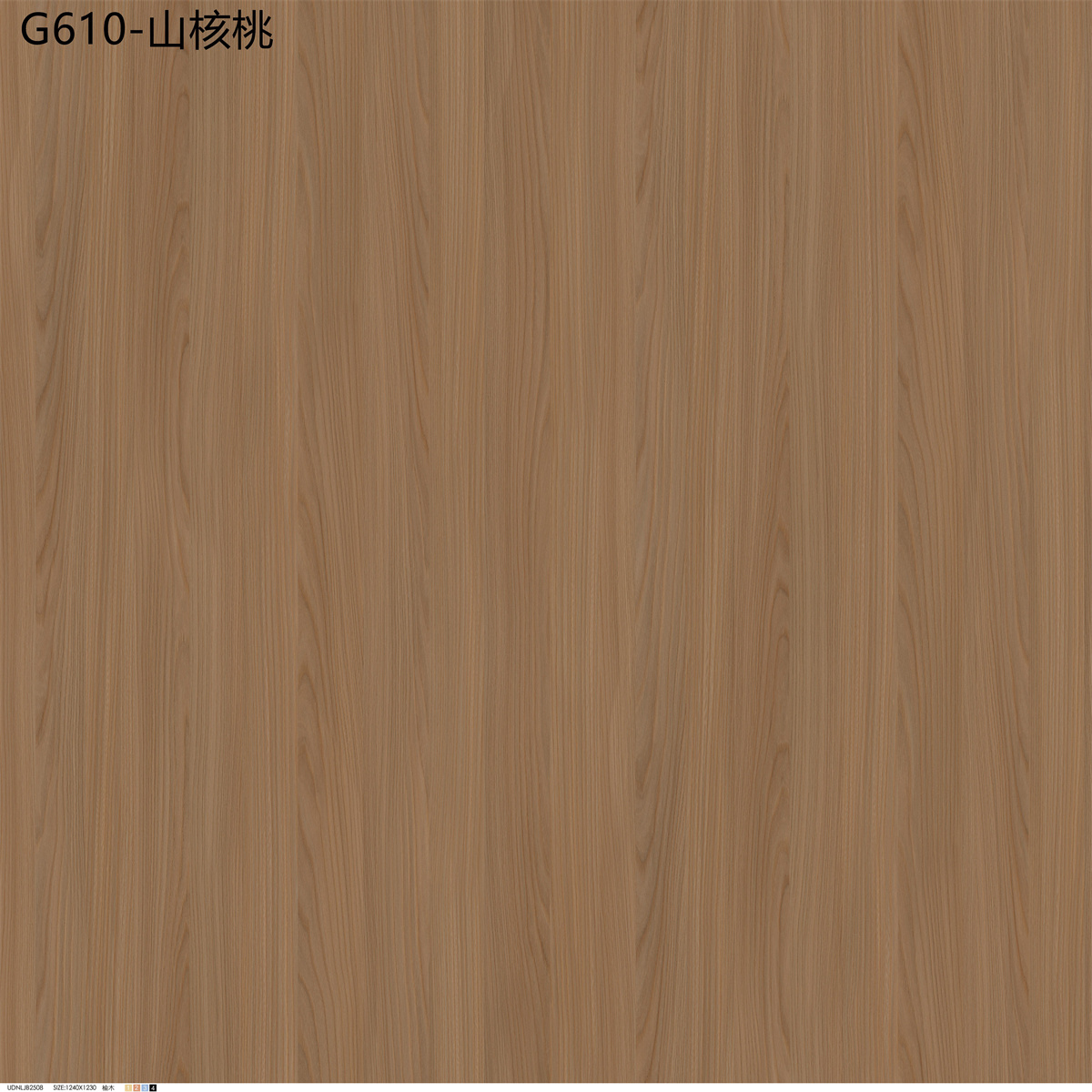
In terms of aesthetics, walnut veneer rolls offer an array of design possibilities. The warm, rich tones of walnut can create a sense of comfort and sophistication in any space. The unique grain patterns add depth and character, making each application truly one-of-a-kind. Whether you’re looking to enhance residential interiors or commercial spaces, walnut veneer rolls can provide a touch of elegance and style.
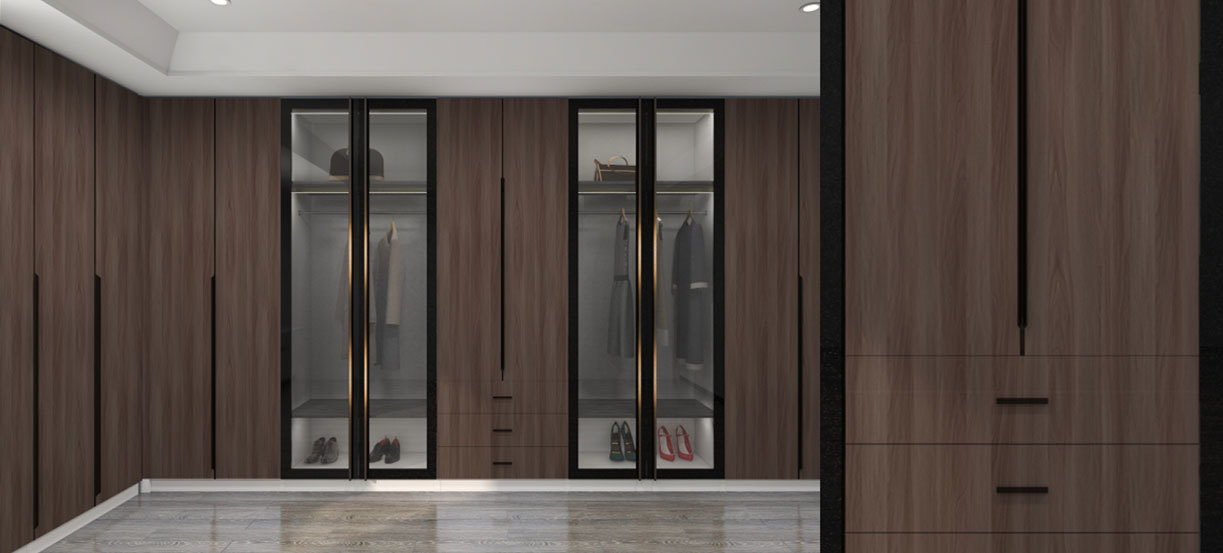
The application of walnut veneer rolls is not limited to traditional uses. Designers are increasingly experimenting with innovative applications, incorporating them into contemporary designs. For instance, walnut veneer can be used to create feature walls, custom cabinetry, and even artistic installations, allowing for a seamless fusion of nature and modern design principles.
When considering walnut veneer rolls for your next project, it’s essential to be aware of the proper installation techniques. The veneer should be adhered to a stable substrate, ensuring a smooth and lasting finish. Additionally, care should be taken during the application process to avoid bubbles and wrinkles, which can compromise the finished appearance. For maintenance, walnut veneer surfaces typically require regular cleaning and occasional refinishing to preserve their natural beauty.
In conclusion, walnut veneer rolls are a versatile and attractive option for enhancing interior spaces. Their unique characteristics, combined with a wide range of applications, make them an ideal choice for designers and builders aiming to achieve both functionality and elegance. By choosing walnut veneer rolls, you can create breathtaking designs that showcase the beauty of natural wood while meeting the demands of modern living.
One of the primary advantages of using walnut veneer rolls is their ability to provide the luxurious look of solid wood while being more cost-effective and environmentally friendly. Since veneer is thinner than solid wood, it uses less timber, helping to conserve forests and reduce the overall impact on the environment. Additionally, walnut veneer rolls can be applied to composite wood products, allowing for a broader range of applications.
In terms of aesthetics, walnut veneer rolls offer an array of design possibilities. The warm, rich tones of walnut can create a sense of comfort and sophistication in any space. The unique grain patterns add depth and character, making each application truly one-of-a-kind. Whether you’re looking to enhance residential interiors or commercial spaces, walnut veneer rolls can provide a touch of elegance and style.
The application of walnut veneer rolls is not limited to traditional uses. Designers are increasingly experimenting with innovative applications, incorporating them into contemporary designs. For instance, walnut veneer can be used to create feature walls, custom cabinetry, and even artistic installations, allowing for a seamless fusion of nature and modern design principles.
When considering walnut veneer rolls for your next project, it’s essential to be aware of the proper installation techniques. The veneer should be adhered to a stable substrate, ensuring a smooth and lasting finish. Additionally, care should be taken during the application process to avoid bubbles and wrinkles, which can compromise the finished appearance. For maintenance, walnut veneer surfaces typically require regular cleaning and occasional refinishing to preserve their natural beauty.
In conclusion, walnut veneer rolls are a versatile and attractive option for enhancing interior spaces. Their unique characteristics, combined with a wide range of applications, make them an ideal choice for designers and builders aiming to achieve both functionality and elegance. By choosing walnut veneer rolls, you can create breathtaking designs that showcase the beauty of natural wood while meeting the demands of modern living.
Get a free quote
We welcome your inquiries. Tell us about your project to get a free quote.
Contact Us
Address: No. 3, Xinyuan 1st Road, Jili Industrial Park, Nan Zhuang Town, Chancheng District, Foshan City, Guangdong Province


Foshan Zhonghong Decoration Materials Co., Ltd.Technical Support:China Enterprise Network Shunde |SEO
Business License