


Transforming Spaces: The Art of Pearwood Veneer in Custom Design
Nov 06,2025
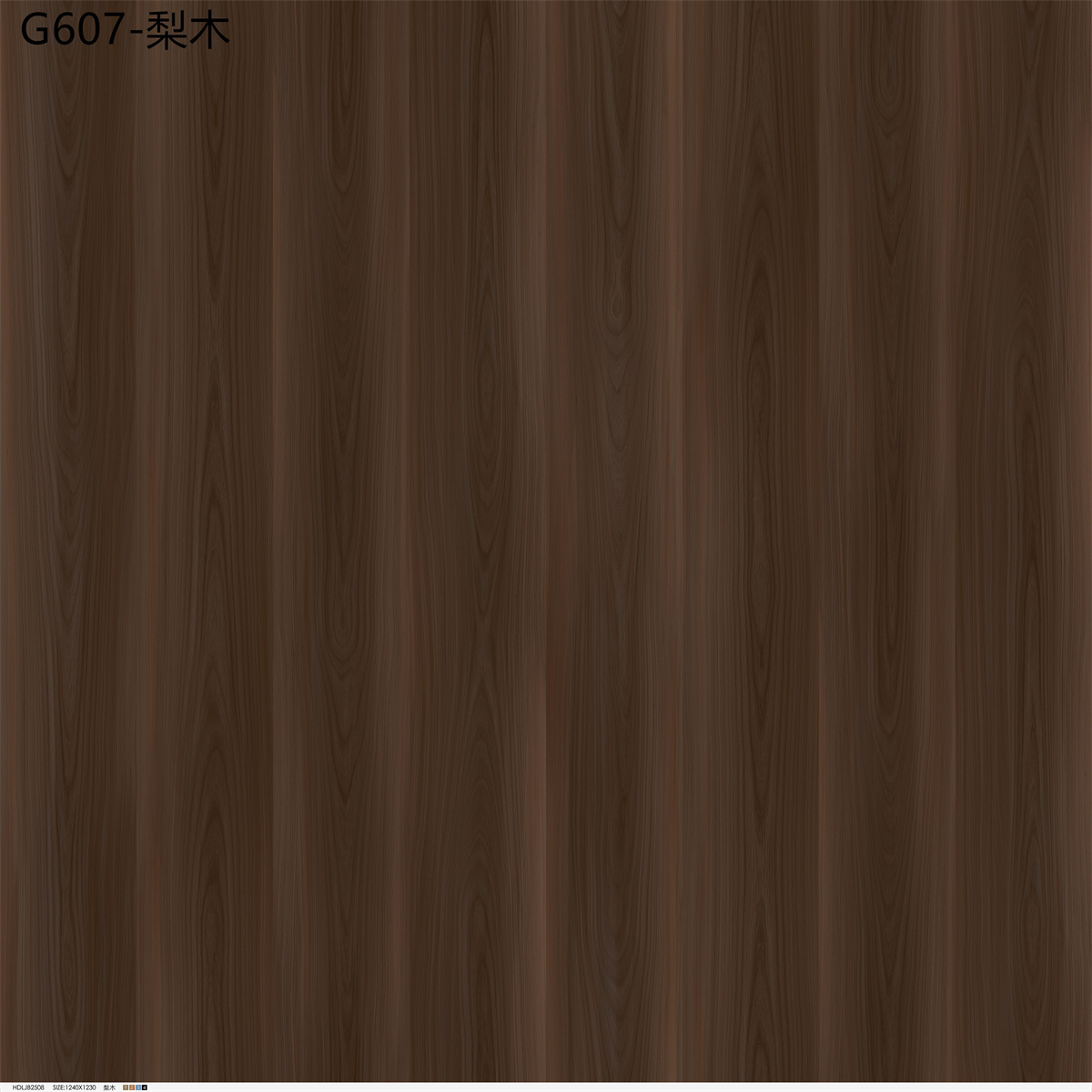
Transforming Spaces: The Art of Pearwood Veneer in Custom Design
Pearwood veneer has emerged as a favorite among designers and craftsmen looking to create unique and stunning pieces. With its rich texture, warm tones, and adaptability, pearwood veneer offers endless possibilities for custom designs. In this article, we delve into why pearwood veneer stands out in the realm of architectural and decorative materials, providing you with comprehensive insights and inspiration for your next project.
Table of Contents
- What is Pearwood Veneer?
- Characteristics of Pearwood Veneer
- Applications of Pearwood Veneer in Custom Designs
- Advantages of Using Pearwood Veneer
- Working with Pearwood Veneer: Tips and Techniques
- Pearwood Veneer in Furniture Design
- Pearwood Veneer in Interior Decor
- Sustainable Aspects of Pearwood Veneer
- Conclusion
- FAQs
What is Pearwood Veneer?
Pearwood veneer is a thin layer sliced from the wood of the pear tree, known for its fine grain and beautiful finish. This natural material is often used in cabinetry, furniture, and decorative applications due to its aesthetic appeal and workability. Unlike solid wood, veneer offers a sustainable alternative that allows for the use of high-quality wood in smaller quantities, making it both economical and environmentally friendly.
The Origin of Pearwood
Pear trees, primarily found in Europe and Asia, yield a wood that is not only visually striking but also durable. The grain of pearwood is fine and uniform, which gives it a smooth surface ideal for finishing. Furthermore, the natural color variations, ranging from pale yellow to rich amber, add warmth and depth to any design.
Characteristics of Pearwood Veneer
Understanding the characteristics of pearwood veneer is essential for any designer looking to incorporate this material into their work. Here are some key traits that set pearwood veneer apart:
Texture and Finish
Pearwood veneer has a fine, smooth texture that responds well to polishing and finishing. This characteristic allows for a luxurious appearance while retaining practicality for everyday use.
Color Variations
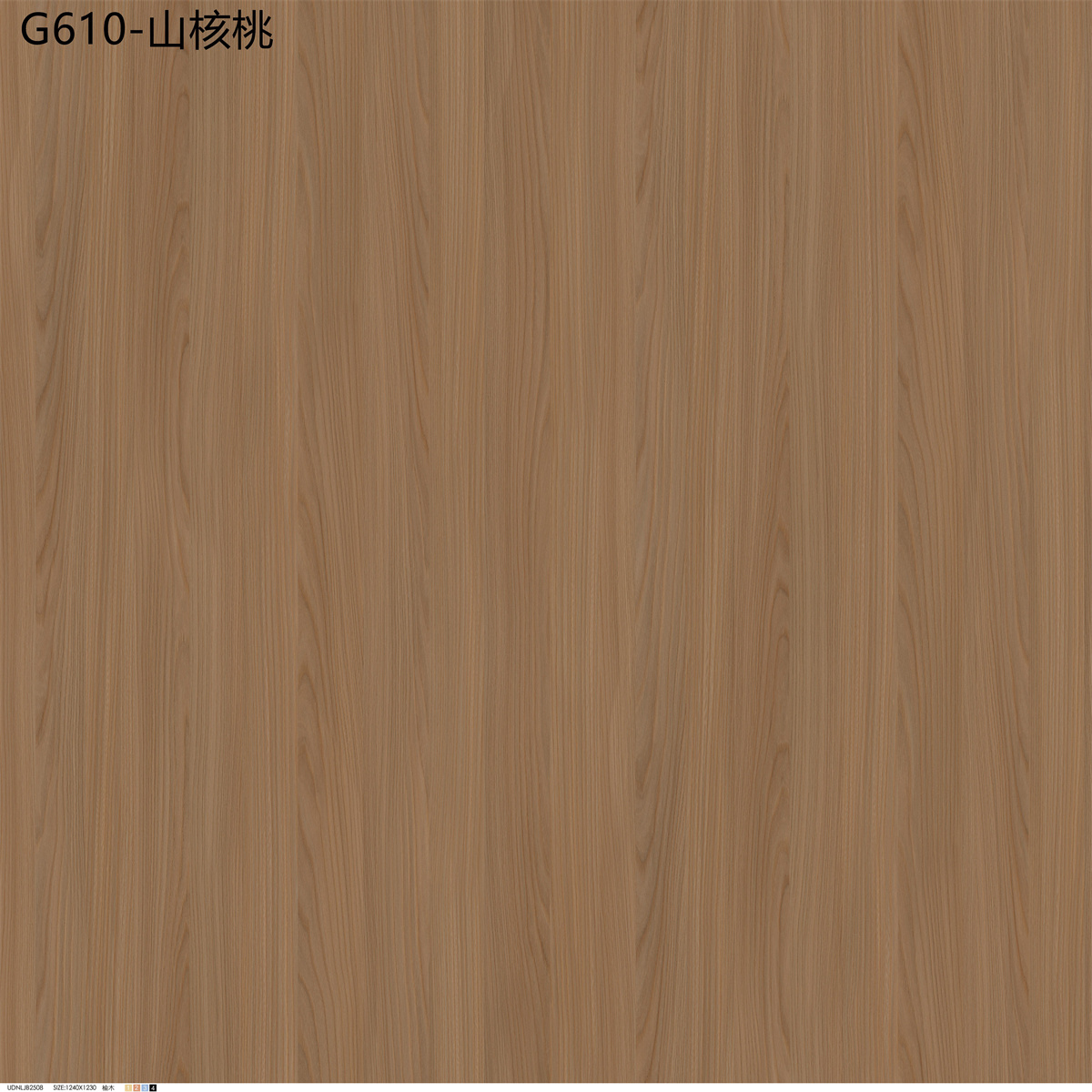
The natural color of pearwood ranges from light yellow to deep golden hues, making it highly versatile. This ability to blend seamlessly with a variety of color palettes is a significant reason why designers choose pearwood veneer.
Workability
Pearwood veneer is easy to work with, allowing for intricate designs and smooth application. It can be cut, shaped, and glued with precision, making it ideal for both seasoned craftsmen and DIY enthusiasts.
Applications of Pearwood Veneer in Custom Designs
Pearwood veneer has a wide range of applications in the world of custom design, from furniture creation to decorative accents. Here are some popular uses:
Furniture Design
Pearwood veneer is frequently used in crafting furniture pieces such as tables, chairs, and cabinets. Its elegant appearance adds a touch of sophistication, while its durability ensures longevity.
Interior Wall Paneling
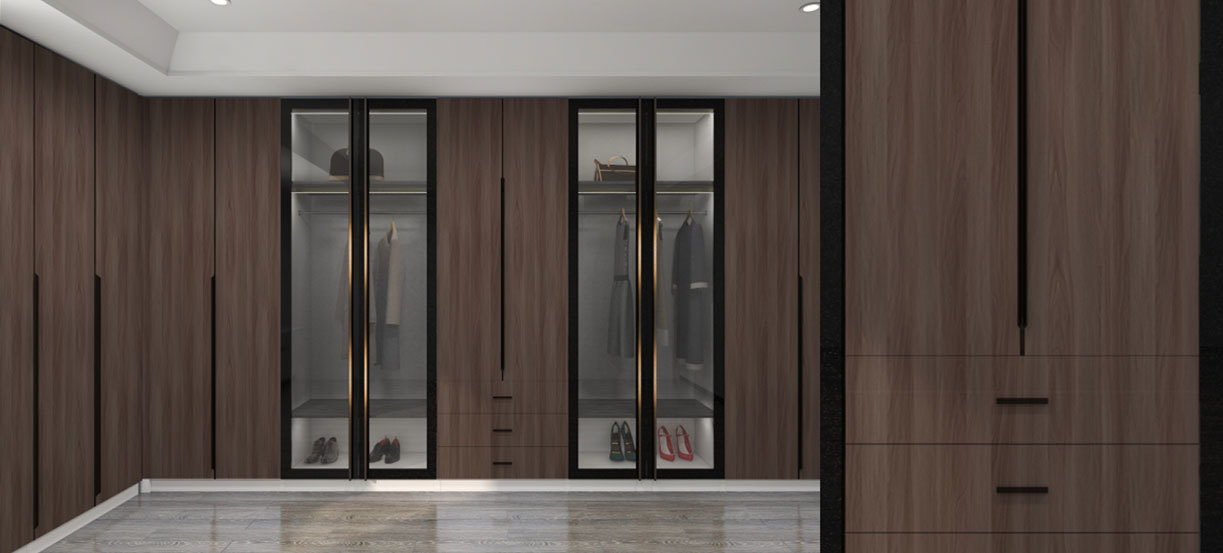
Using pearwood veneer for wall paneling can transform a plain space into a luxurious environment. The warm tones and fine grain create an inviting atmosphere, enhancing both residential and commercial interiors.
Art and Decorative Pieces
Artists and decorators often use pearwood veneer for creating intricate art pieces, sculptures, and decorative elements. The unique patterns and textures can be employed to craft one-of-a-kind items that serve as focal points in any room.
Advantages of Using Pearwood Veneer
Choosing pearwood veneer for your projects comes with several advantages that make it a preferred choice among designers:
Sustainability
Veneer products are more sustainable than solid wood, as they require less raw material. By using pearwood veneer, designers contribute to responsible forestry practices while still achieving high-quality finishes.
Cost-Effectiveness
Pearwood veneer offers the luxurious look of solid wood at a fraction of the price. This allows designers to produce stunning pieces without exceeding their budgets.
Design Versatility
With its wide range of colors, textures, and finishes, pearwood veneer can adapt to various design styles, from modern to traditional. This versatility makes it a valuable asset in any designer’s toolkit.
Working with Pearwood Veneer: Tips and Techniques
Successfully working with pearwood veneer involves understanding the best practices for handling and applying it. Here are some essential tips:
Preparation
Before working with pearwood veneer, ensure that the surface is clean and free from dust. Use a fine-grit sandpaper to smooth out any imperfections, allowing for better adhesion during the application process.
Adhesive Selection
Choosing the right adhesive is key to ensuring a strong bond. A high-quality wood glue or contact adhesive is recommended for applying pearwood veneer to surfaces.
Finishing Techniques
To enhance the natural beauty of pearwood veneer, apply a finish that complements its characteristics. Oil-based finishes can bring out the warmth of the wood, while lacquer provides a glossy sheen. Always follow the manufacturer's guidelines for the best results.
Pearwood Veneer in Furniture Design
In the realm of furniture design, pearwood veneer is celebrated for its aesthetic appeal and functional properties. Here’s how it is utilized:
Custom Tables
Designers often use pearwood veneer to create elegant tabletops. The natural grain patterns provide a stunning focal point in dining and coffee tables, making them both functional and visually appealing.
Elegant Cabinets and Storage Solutions
Pearwood veneer is commonly used in cabinetry, offering a sophisticated look for kitchens, bathrooms, and living areas. Its durability ensures that cabinets maintain their beauty over time, even with regular use.
Pearwood Veneer in Interior Decor
Beyond furniture, pearwood veneer plays a crucial role in interior decor. Here are some creative applications:
Accent Walls
Creating an accent wall with pearwood veneer can add depth and character to any space. The warm tones and textures invite a sense of warmth, making rooms feel more inviting.
Decorative Panels and Artwork
Designers can use pearwood veneer to craft decorative panels or wall art. These pieces can serve as conversation starters while showcasing the beauty of natural materials.
Sustainable Aspects of Pearwood Veneer
In an age where sustainability is crucial, pearwood veneer stands out as an eco-friendly choice. Here’s how:
Responsible Sourcing
Many manufacturers source pearwood from sustainable forests, ensuring that the environmental impact is minimized while providing high-quality materials for designers.
Less Waste
Using veneer allows for greater efficiency, as it produces less waste compared to solid wood products. This aspect makes pearwood veneer an attractive option for environmentally conscious designers.
Conclusion
Pearwood veneer is a versatile and elegant material that has proven its worth in the world of custom designs. Its rich texture, warm tones, and sustainability make it an exceptional choice for furniture, interior decor, and artistic applications. As designers continue to seek unique materials that enhance their creations, pearwood veneer stands out as a reliable and beautiful option. Embracing this material can elevate your designs and contribute to a more sustainable future in the industry.
FAQs
1. What is the primary benefit of using pearwood veneer over solid wood?
The primary benefit is that pearwood veneer provides the luxurious appearance of solid wood while being more economical and environmentally friendly, as it uses less raw material.
2. How do I care for pearwood veneer surfaces?
To care for pearwood veneer, clean with a soft cloth and mild soap. Avoid harsh chemicals or abrasive materials that may damage the finish.
3. Can pearwood veneer be used outdoors?
Pearwood veneer is primarily designed for indoor applications. For outdoor use, it is advisable to choose a more weather-resistant material.
4. What types of finishes work best with pearwood veneer?
Oil-based finishes and lacquer are popular choices for enhancing the natural beauty of pearwood veneer while providing protection.
5. Is pearwood veneer a sustainable option?
Yes, pearwood veneer is considered a sustainable option when sourced from responsibly managed forests, making it an eco-friendly choice for designers.
Get a free quote
We welcome your inquiries. Tell us about your project to get a free quote.
Contact Us
Address: No. 3, Xinyuan 1st Road, Jili Industrial Park, Nan Zhuang Town, Chancheng District, Foshan City, Guangdong Province


Foshan Zhonghong Decoration Materials Co., Ltd.Technical Support:China Enterprise Network Shunde |SEO