


language
Design Trends: Pearwood Veneer in Contemporary Spaces
Sep 11,2025

Design Trends: Pearwood Veneer in Contemporary Spaces
Introduction to Pearwood Veneer
Pearwood veneer is increasingly becoming a sought-after choice in contemporary interior design. It offers a unique blend of aesthetics, functionality, and sustainability, making it an ideal material for various applications. As the design landscape evolves, pearwood veneer is emerging as a top contender for those seeking to create chic, modern spaces.
The Aesthetic Appeal of Pearwood Veneer
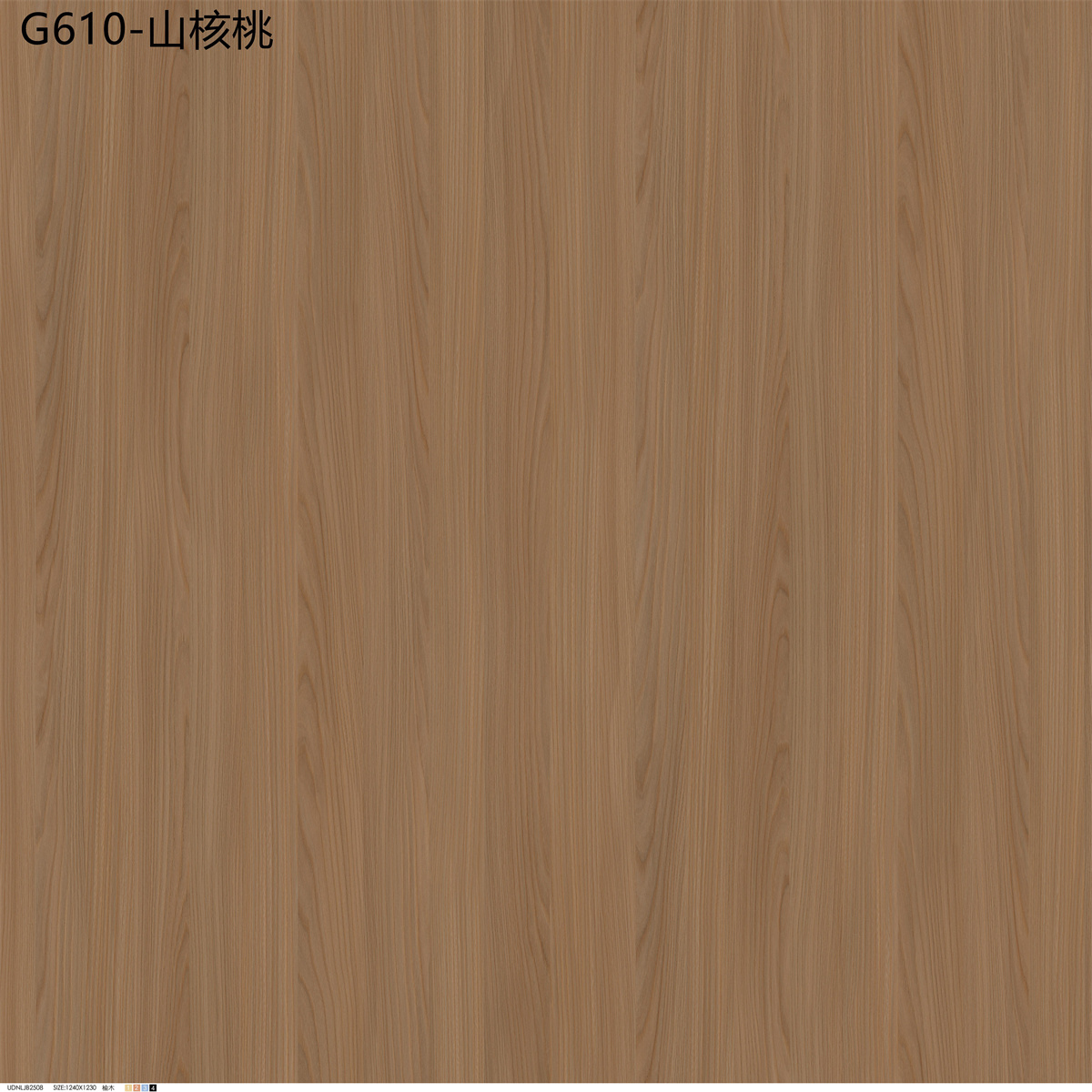
Pearwood veneer possesses a distinct visual charm. Its light, golden hue and fine grain patterns add warmth to any interior. The smooth texture and natural luster of pearwood evoke a sense of sophistication, making it suitable for both minimalistic and elaborate designs.
Color and Grain Variations
One of the most appealing aspects of pearwood veneer is its range of color and grain variations. Depending on the finishing process, pearwood can feature everything from soft cream tones to deeper golden shades, allowing designers to select the perfect hue that complements their overall color palette. The grain patterns can vary from straight to wavy, providing added visual interest.
How Pearwood Veneer Enhances Modern Interiors
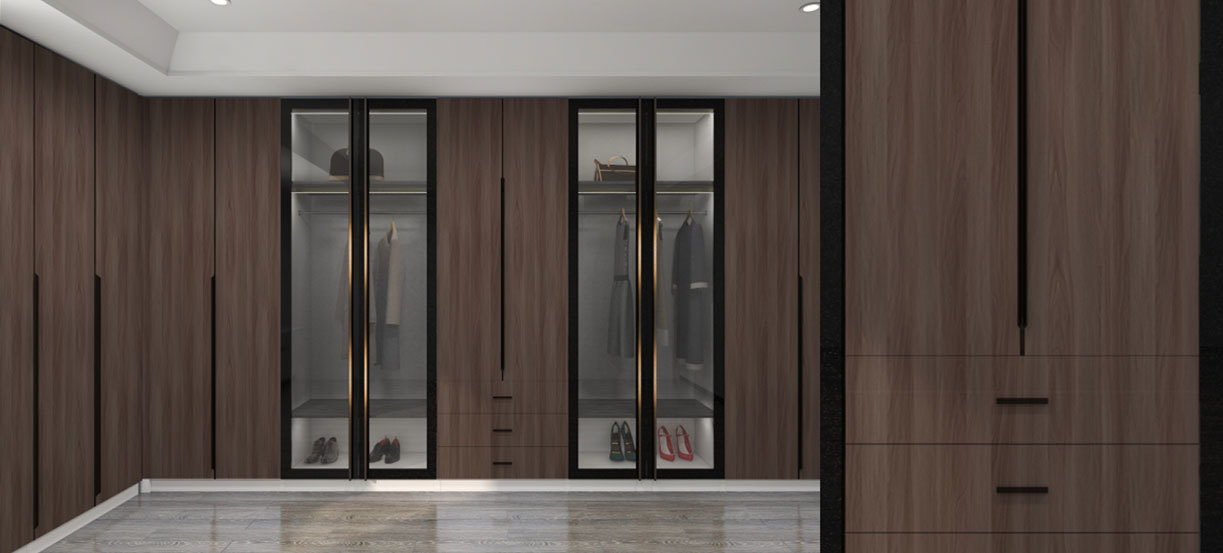
In contemporary settings, pearwood veneer can seamlessly blend with various design styles. Whether incorporated into cabinetry, wall panels, or furniture, it elevates the aesthetic by introducing a natural element that softens the hard edges often found in modern spaces.
Applications of Pearwood Veneer in Contemporary Design
The versatility of pearwood veneer makes it suitable for a multitude of applications. Here are some popular uses:
Cabinetry and Furniture
Pearwood veneer is frequently used in cabinetry and furniture design. Its durability allows it to withstand daily use, while its beauty enhances the overall look of kitchens, living rooms, and offices. Custom furniture pieces featuring pearwood veneer can serve as focal points, drawing attention and admiration.
Wall Panels and Decorative Accents
In addition to furniture, pearwood veneer is an excellent choice for wall panels and decorative accents. Incorporating pearwood panels can create a stunning feature wall that adds depth and texture to a room. When paired with complementary materials, such as metal or glass, the result is a harmonious and balanced design.
Doors and Architectural Elements
Architects and designers often use pearwood veneer for doors and other architectural elements. Its elegant appearance combined with strong durability makes it a practical option that doesn't compromise on style.
Design Trends Featuring Pearwood Veneer
As we delve deeper into the realm of contemporary design, several key trends have emerged that showcase the beauty and functionality of pearwood veneer.
Minimalist Design with Natural Touches
Minimalism continues to be a driving force in interior design. Pearwood veneer fits perfectly within this trend, offering a natural touch that complements clean lines and uncluttered spaces. By incorporating pearwood elements, designers can achieve a serene atmosphere that feels inviting yet sophisticated.
Sustainable Design Practices
Sustainability is no longer just a trend; it’s a necessity in modern design. Pearwood is sourced from responsibly managed forests, making it an eco-friendly choice. When designers prioritize sustainable materials like pearwood veneer, they contribute to a healthier planet while still achieving their desired aesthetic.
Warm, Earthy Tones
Contemporary color palettes are shifting towards warm, earthy tones. Pearwood veneer fits seamlessly into these palettes, providing a harmonious balance with other natural materials such as stone and textiles. By incorporating pearwood, spaces can feel grounded and connected to nature.
Choosing the Right Pearwood Veneer for Your Project
When selecting pearwood veneer for your design project, consider the following factors:
Quality and Source
Not all pearwood veneers are created equal. Ensure that you source high-quality veneer from reputable suppliers. Look for certifications that guarantee sustainable practices, which will enhance your project's credibility.
Finishing Options
The finishing of pearwood veneer can significantly affect its appearance and durability. Matte finishes lend a modern touch, while glossy finishes can highlight the wood's natural beauty. Consider the lighting and environment of your space when choosing the finish.
Integration with Other Materials
Think about how pearwood veneer will integrate with other materials in your design. It pairs beautifully with metals, glass, and textiles, creating a well-rounded design. Ensure that the materials complement each other to avoid visual dissonance.
Caring for Pearwood Veneer Surfaces
Maintaining the beauty of pearwood veneer is essential for longevity. Here are some care tips:
Cleaning Techniques
Use a soft, damp cloth to clean pearwood veneer surfaces. Avoid harsh chemicals or abrasive materials, as these can damage the finish. For deeper cleans, a specialized wood cleaner may be employed.
Preventing Damage
To prevent scratches and dents, avoid placing heavy objects directly on the surface. Utilize coasters and placemats to protect your pearwood furniture from heat and moisture.
Frequently Asked Questions (FAQs)
1. What is pearwood veneer, and how is it made?
Pearwood veneer is a thin layer of pearwood that has been sliced or peeled from a log. This process retains the wood's natural grain and color, making it a popular choice for decorative surfaces.
2. Is pearwood veneer a sustainable material?
Yes, pearwood can be sourced from sustainably managed forests, making it an eco-friendly option for contemporary design projects.
3. How does pearwood veneer compare to solid wood?
Pearwood veneer offers a similar aesthetic to solid wood but is lighter and often more affordable. Veneer can also be more stable and resistant to warping.
4. Can pearwood veneer be used in high-moisture areas like kitchens or bathrooms?
While pearwood veneer can be used in kitchens, care should be taken in high-moisture areas. Proper sealing and maintenance are crucial to preserving its beauty in such environments.
5. What design styles work best with pearwood veneer?
Pearwood veneer complements a variety of design styles, including modern, minimalist, and Scandinavian. Its natural beauty and versatility make it fitting for numerous applications.
Conclusion
Incorporating pearwood veneer into contemporary spaces offers a remarkable way to blend elegance, functionality, and sustainability. Its unique aesthetic qualities and diverse applications make it a versatile choice for designers looking to enhance their projects with natural materials. By understanding the latest trends and best practices associated with pearwood veneer, one can create stunning interiors that resonate with warmth and sophistication. Embrace the beauty of pearwood veneer and transform your space into a contemporary masterpiece.
Previous page:
Get a free quote
We welcome your inquiries. Tell us about your project to get a free quote.
Contact Us
Address: No. 3, Xinyuan 1st Road, Jili Industrial Park, Nan Zhuang Town, Chancheng District, Foshan City, Guangdong Province


Foshan Zhonghong Decoration Materials Co., Ltd.Technical Support:China Enterprise Network Shunde |SEO
Business License