


language
How Hickory Shellbark Veneer Enhances Natural Light in Interiors
Sep 03,2025

How Hickory Shellbark Veneer Enhances Natural Light in Interiors
Table of Contents
- 1. Introduction to Hickory Shellbark Veneer
- 2. Key Properties of Hickory Shellbark Veneer
- 3. How Hickory Shellbark Veneer Enhances Natural Light
- 4. Practical Applications in Interior Design
- 5. Hickory Shellbark Veneer vs. Other Wood Veneers
- 6. The Sustainability of Hickory Shellbark Veneer
- 7. Maintenance and Care for Hickory Shellbark Veneer
- 8. Conclusion
- 9. Frequently Asked Questions
1. Introduction to Hickory Shellbark Veneer
Hickory shellbark veneer is an innovative and aesthetically pleasing material that has garnered attention in the realm of interior design. Derived from the shellbark hickory tree, this veneer is characterized by its rich grain patterns and light color variations, which together create an inviting atmosphere. Interior designers and homeowners alike are increasingly turning to hickory shellbark veneer for its ability to enhance **natural light** in indoor spaces, making areas feel larger and more vibrant.
2. Key Properties of Hickory Shellbark Veneer
Hickory shellbark veneer possesses several unique properties that set it apart from other veneers:
2.1 Aesthetic Appeal
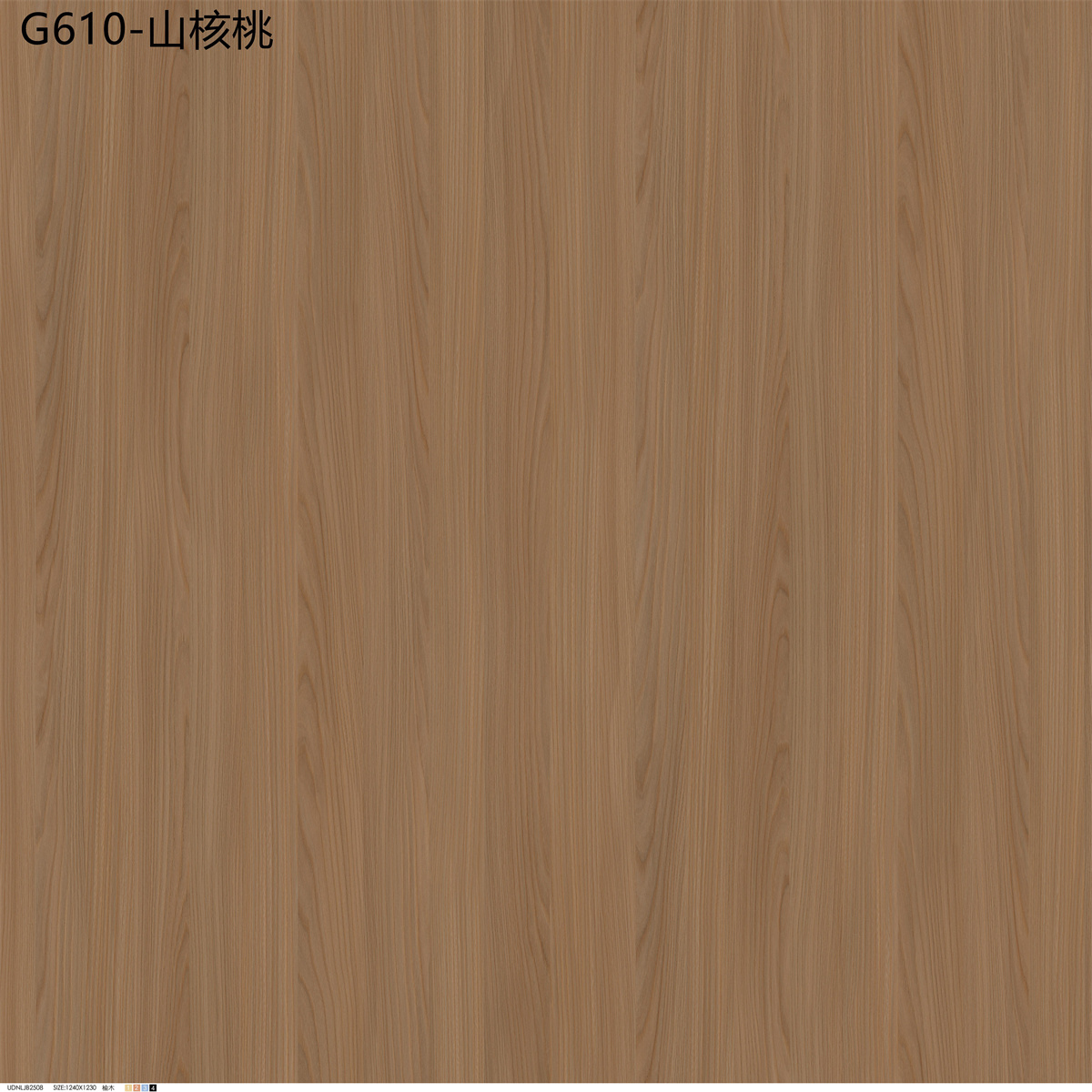
The natural grain patterns and warm tones of hickory shellbark veneer contribute to its visual appeal. The veneer showcases a blend of light and dark shades, providing depth and character to any interior.
2.2 Durability
Hickory is known for its strength. The shellbark variant is no exception, offering durability that makes it suitable for various applications, from furniture to wall panels.
2.3 Versatility
Hickory shellbark veneer can easily complement various interior design styles, whether rustic, contemporary, or traditional, making it a versatile choice for decorators.
3. How Hickory Shellbark Veneer Enhances Natural Light
One of the standout features of hickory shellbark veneer is its ability to enhance **natural light** within interiors. Let's delve into how it achieves this.
3.1 Reflective Qualities
The light coloration of hickory shellbark veneer reflects natural sunlight, allowing it to bounce around the room. This reflective property amplifies the brightness of the space, creating an airy and open feel.
3.2 Grain Patterns and Texture
The distinctive grain patterns provide a visual interest that draws the eye around the room. When light interacts with these textures, it creates subtle shadows and highlights, adding dimension and depth, further enhancing the perception of light and space.
3.3 Compatibility with Lighting
Hickory shellbark veneer works harmoniously with both natural and artificial lighting. The veneer’s tones can complement warm light sources, making rooms feel cozy and inviting.
4. Practical Applications in Interior Design
Hickory shellbark veneer can be utilized in diverse applications, making it a popular choice for interior designers. Some key areas of use include:
4.1 Wall Paneling
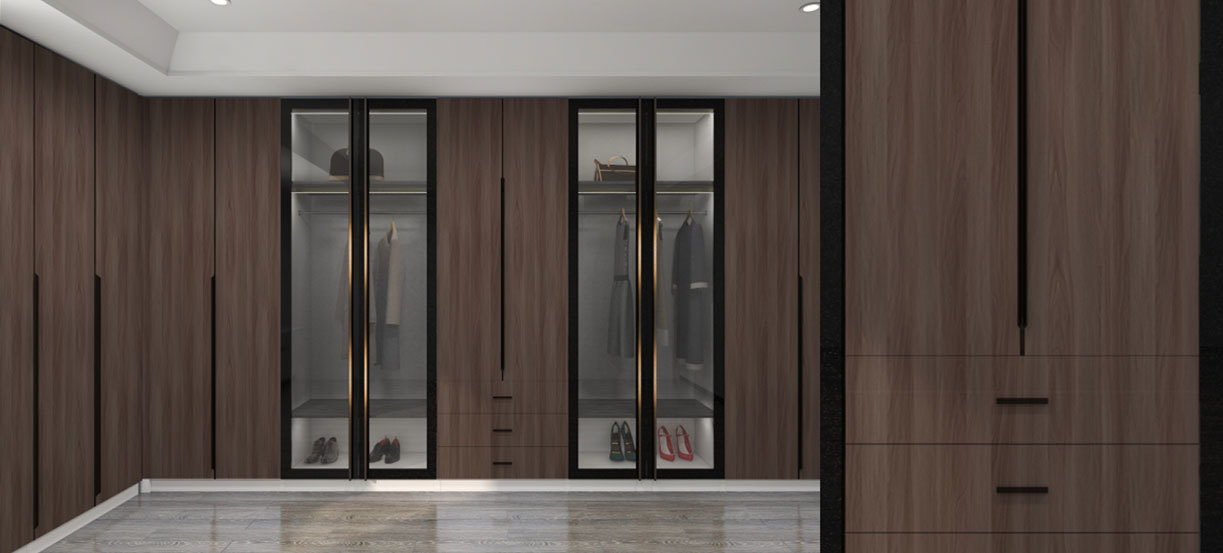
Utilizing hickory shellbark veneer as wall paneling transforms a simple wall into an artwork, enhancing light and creating a stunning focal point.
4.2 Furniture
From tables to cabinets, incorporating this veneer into furniture design not only boosts aesthetics but also promotes a sense of warmth and connection to nature.
4.3 Ceilings
Installing hickory shellbark veneer on ceilings can create a dramatic effect, drawing the eye upward and expanding the perception of space while maximizing natural light.
5. Hickory Shellbark Veneer vs. Other Wood Veneers
When evaluating hickory shellbark veneer against other common wood veneers, several factors come into play:
5.1 Light Transmission
Compared to darker wood veneers, hickory shellbark offers superior light transmission, making it an ideal choice for those looking to brighten their spaces.
5.2 Color Variability
While many veneers offer uniform color, hickory shellbark's natural variability adds character and uniqueness to each piece.
5.3 Sustainability
Unlike some exotic wood veneers that may contribute to deforestation, hickory shellbark is often sourced from sustainable forests, making it an eco-friendly option.
6. The Sustainability of Hickory Shellbark Veneer
Sustainability is becoming increasingly important in the world of interior design. Hickory shellbark veneer stands out for various reasons:
6.1 Renewable Resource
Hickory trees are abundant in North America, and their responsible harvesting ensures that this resource remains sustainable.
6.2 Low Environmental Impact
The manufacturing process for hickory shellbark veneer generally has a lower environmental impact compared to other materials, particularly those sourced from endangered forests.
6.3 Biodegradability
As a natural product, hickory shellbark veneer is biodegradable, ensuring that it won’t contribute to landfill waste over time.
7. Maintenance and Care for Hickory Shellbark Veneer
To maintain the beauty and integrity of hickory shellbark veneer, consider the following care tips:
7.1 Regular Cleaning
Dusting with a soft cloth regularly helps maintain its appearance. Avoid harsh chemicals that may damage the finish.
7.2 Humidity Control
To prevent warping or cracking, maintain stable humidity levels in your home. Hickory is sensitive to moisture fluctuations.
7.3 Refinish as Needed
Over time, refinishing may be necessary to restore the veneer’s luster. Consult a professional to ensure proper treatment.
8. Conclusion
Incorporating hickory shellbark veneer into your interior design not only enhances **natural light** but also elevates the overall aesthetic of your home. Its unique properties, versatility, and sustainability make it an exceptional choice for those looking to create inviting and light-filled spaces. By making informed decisions and utilizing this beautiful material, homeowners and designers can craft interiors that are both functional and visually stunning.
9. Frequently Asked Questions
9.1 What is hickory shellbark veneer?
Hickory shellbark veneer is a thin layer of wood derived from the shellbark hickory tree, known for its unique grain patterns and durability.
9.2 How does hickory shellbark veneer enhance natural light?
Its light color and reflective properties allow it to maximize the brightness of a room, creating an airy and open atmosphere.
9.3 Is hickory shellbark veneer environmentally friendly?
Yes, it is often sourced from sustainable forests and is biodegradable, making it a more eco-friendly option compared to some other materials.
9.4 Can hickory shellbark veneer be used in outdoor applications?
While it can be used in some outdoor applications, it is primarily suited for indoor use due to its sensitivity to moisture and humidity.
9.5 How do I maintain hickory shellbark veneer?
Regular dusting, controlling humidity, and occasional refinishing will help maintain the beauty and durability of hickory shellbark veneer.
Previous page:
Get a free quote
We welcome your inquiries. Tell us about your project to get a free quote.
Contact Us
Address: No. 3, Xinyuan 1st Road, Jili Industrial Park, Nan Zhuang Town, Chancheng District, Foshan City, Guangdong Province


Foshan Zhonghong Decoration Materials Co., Ltd.Technical Support:China Enterprise Network Shunde |SEO
Business License