


language
Exploring the Beauty and Versatility of Elm Wood Grain Veneer in Architectural Design
Jul 23,2026

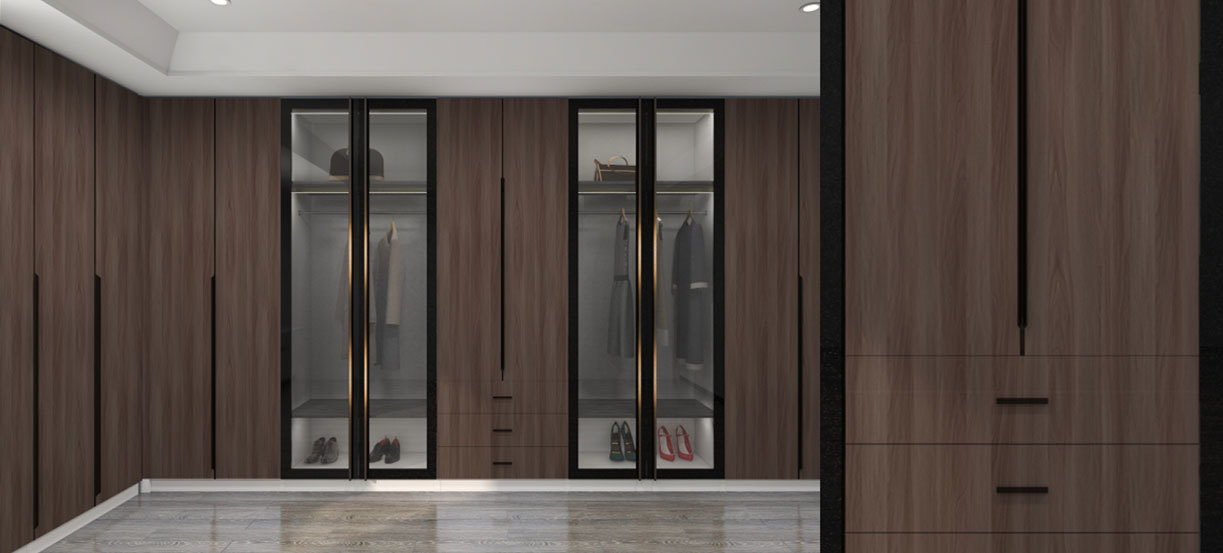
Elm Wood Grain Veneer is a popular choice in the architectural and decorative materials industry, known for its striking appearance and versatile applications. This veneer showcases the distinctive grain patterns of elm wood, giving it a natural and aesthetic appeal that can enhance a wide range of designs. Whether used in furniture, cabinetry, wall coverings, or decorative accents, Elm Wood Grain Veneer brings a sense of sophistication and warmth to interiors.
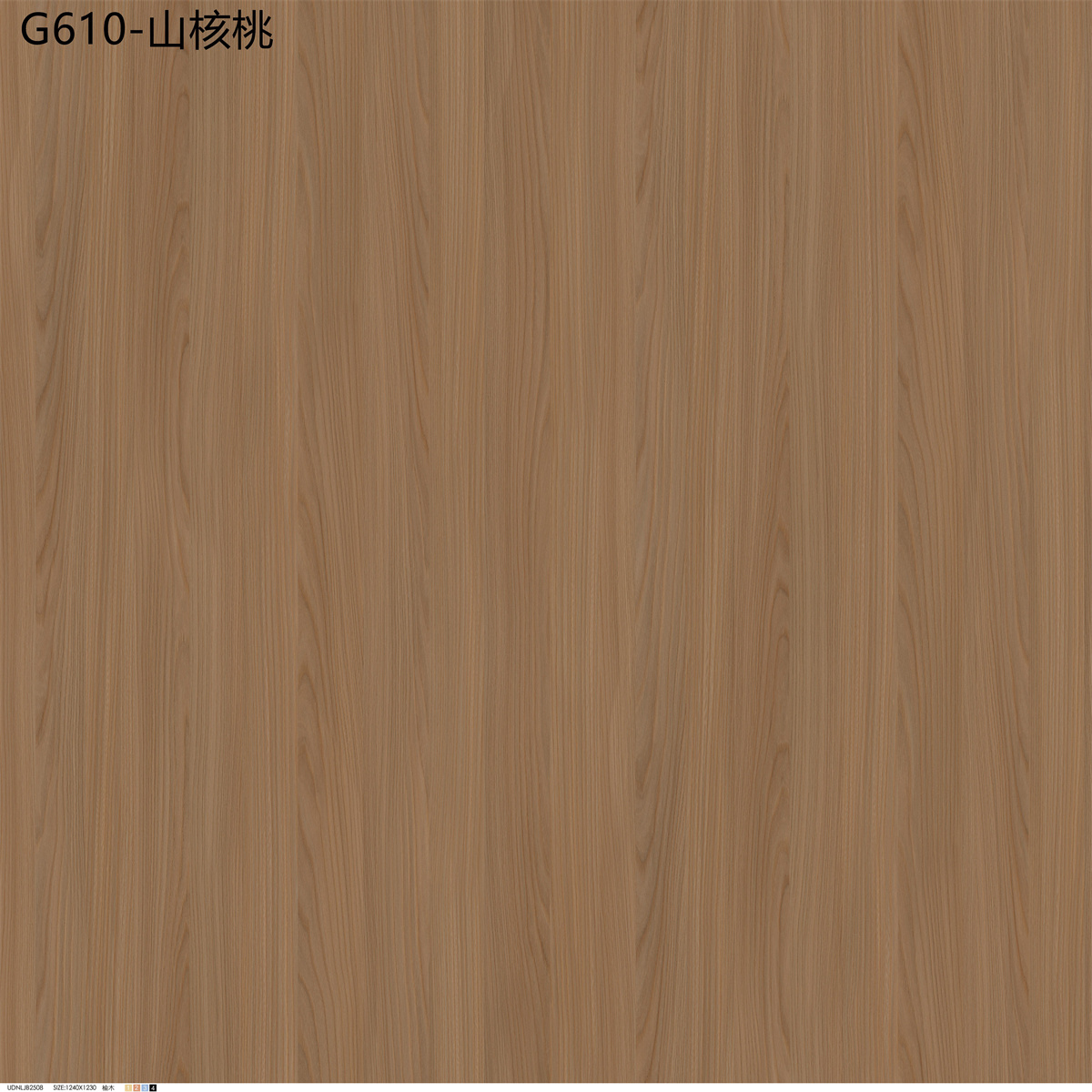
One of the key characteristics of Elm Wood Grain Veneer is its unique texture. The grain patterns are typically interlocking and can vary significantly from one sheet to another, providing a rich visual interest. This variability allows designers to create bespoke looks that can suit both modern and traditional environments. The natural hues of the elm wood, often ranging from light beige to deeper browns, can complement various color palettes and design themes.
In terms of durability, Elm Wood Grain Veneer is often chosen for its strength and stability. Although veneer is thinner than solid wood, it can still offer a robust surface when applied correctly. Many manufacturers treat the veneer to enhance its resistance to wear, moisture, and fading, making it suitable for high-traffic areas. Proper care and maintenance, such as using suitable cleaning agents and avoiding excessive moisture, can further extend the life of the veneer.
The application of Elm Wood Grain Veneer is extensive. In residential settings, it is frequently used in kitchen cabinets, dining tables, and accent walls. The warmth of the wood can create a cozy atmosphere, making spaces feel inviting. In commercial environments, such as offices and retail spaces, the veneer can be used for wall paneling and furniture, providing a professional yet approachable aesthetic.
Moreover, Elm Wood Grain Veneer is an eco-friendlier option compared to solid wood, as it allows for the use of less timber while still achieving a similar look. This makes it an appealing choice for those who are environmentally conscious and looking to reduce their carbon footprint in design projects.
In conclusion, Elm Wood Grain Veneer is a versatile and visually captivating material that can elevate any architectural design. Its unique grain patterns, durability, and eco-friendly benefits make it an excellent choice for both residential and commercial applications. By incorporating this veneer into your projects, you can achieve a stunning and sophisticated look that stands the test of time.
One of the key characteristics of Elm Wood Grain Veneer is its unique texture. The grain patterns are typically interlocking and can vary significantly from one sheet to another, providing a rich visual interest. This variability allows designers to create bespoke looks that can suit both modern and traditional environments. The natural hues of the elm wood, often ranging from light beige to deeper browns, can complement various color palettes and design themes.
In terms of durability, Elm Wood Grain Veneer is often chosen for its strength and stability. Although veneer is thinner than solid wood, it can still offer a robust surface when applied correctly. Many manufacturers treat the veneer to enhance its resistance to wear, moisture, and fading, making it suitable for high-traffic areas. Proper care and maintenance, such as using suitable cleaning agents and avoiding excessive moisture, can further extend the life of the veneer.
The application of Elm Wood Grain Veneer is extensive. In residential settings, it is frequently used in kitchen cabinets, dining tables, and accent walls. The warmth of the wood can create a cozy atmosphere, making spaces feel inviting. In commercial environments, such as offices and retail spaces, the veneer can be used for wall paneling and furniture, providing a professional yet approachable aesthetic.
Moreover, Elm Wood Grain Veneer is an eco-friendlier option compared to solid wood, as it allows for the use of less timber while still achieving a similar look. This makes it an appealing choice for those who are environmentally conscious and looking to reduce their carbon footprint in design projects.
In conclusion, Elm Wood Grain Veneer is a versatile and visually captivating material that can elevate any architectural design. Its unique grain patterns, durability, and eco-friendly benefits make it an excellent choice for both residential and commercial applications. By incorporating this veneer into your projects, you can achieve a stunning and sophisticated look that stands the test of time.
Previous page:
Get a free quote
We welcome your inquiries. Tell us about your project to get a free quote.
Contact Us
Address: No. 3, Xinyuan 1st Road, Jili Industrial Park, Nan Zhuang Town, Chancheng District, Foshan City, Guangdong Province


Foshan Zhonghong Decoration Materials Co., Ltd.Technical Support:China Enterprise Network Shunde |SEO
Business License