


language
Understanding Wood Veneer: Versatile Solutions for Your Architectural and Decorative Needs
Jul 09,2026
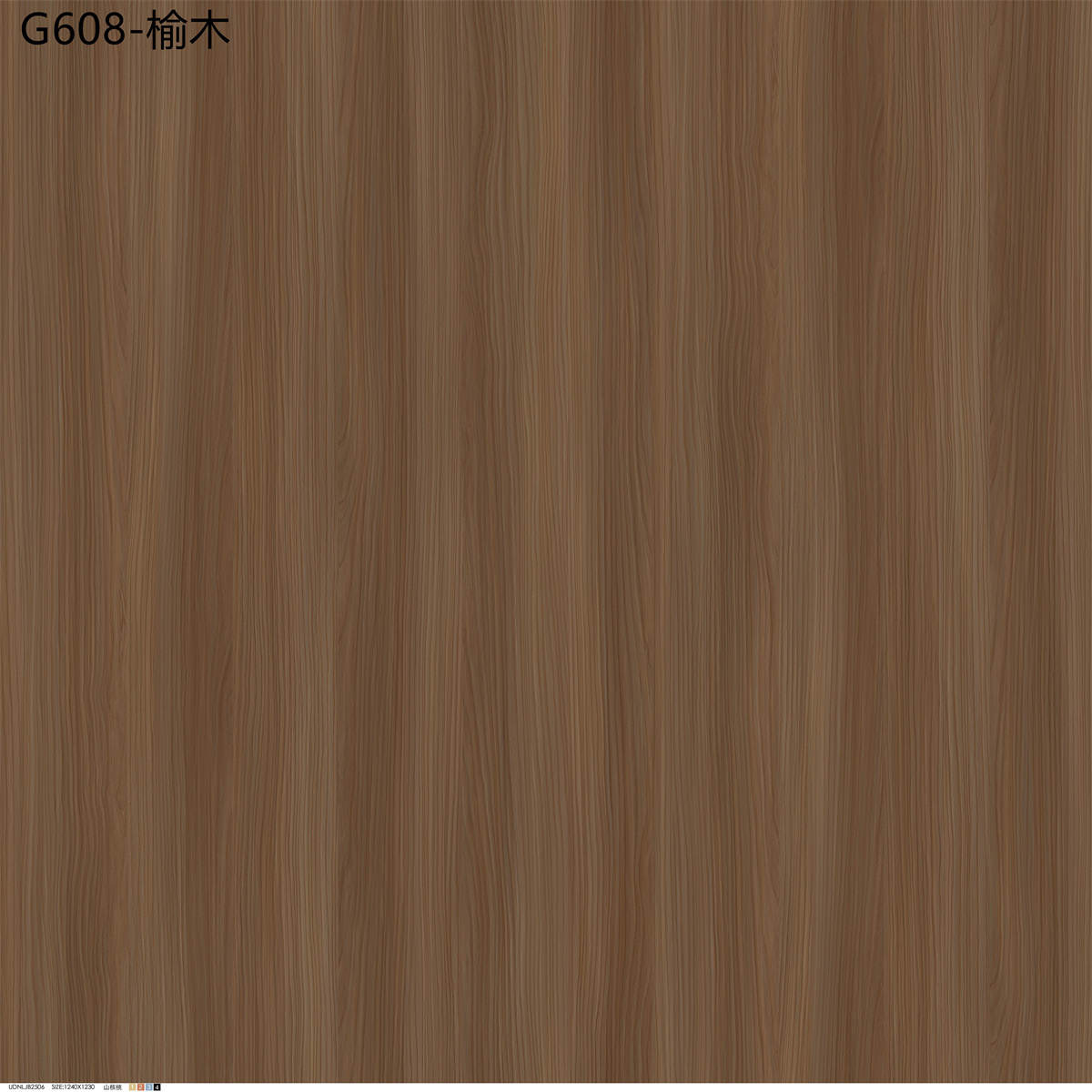
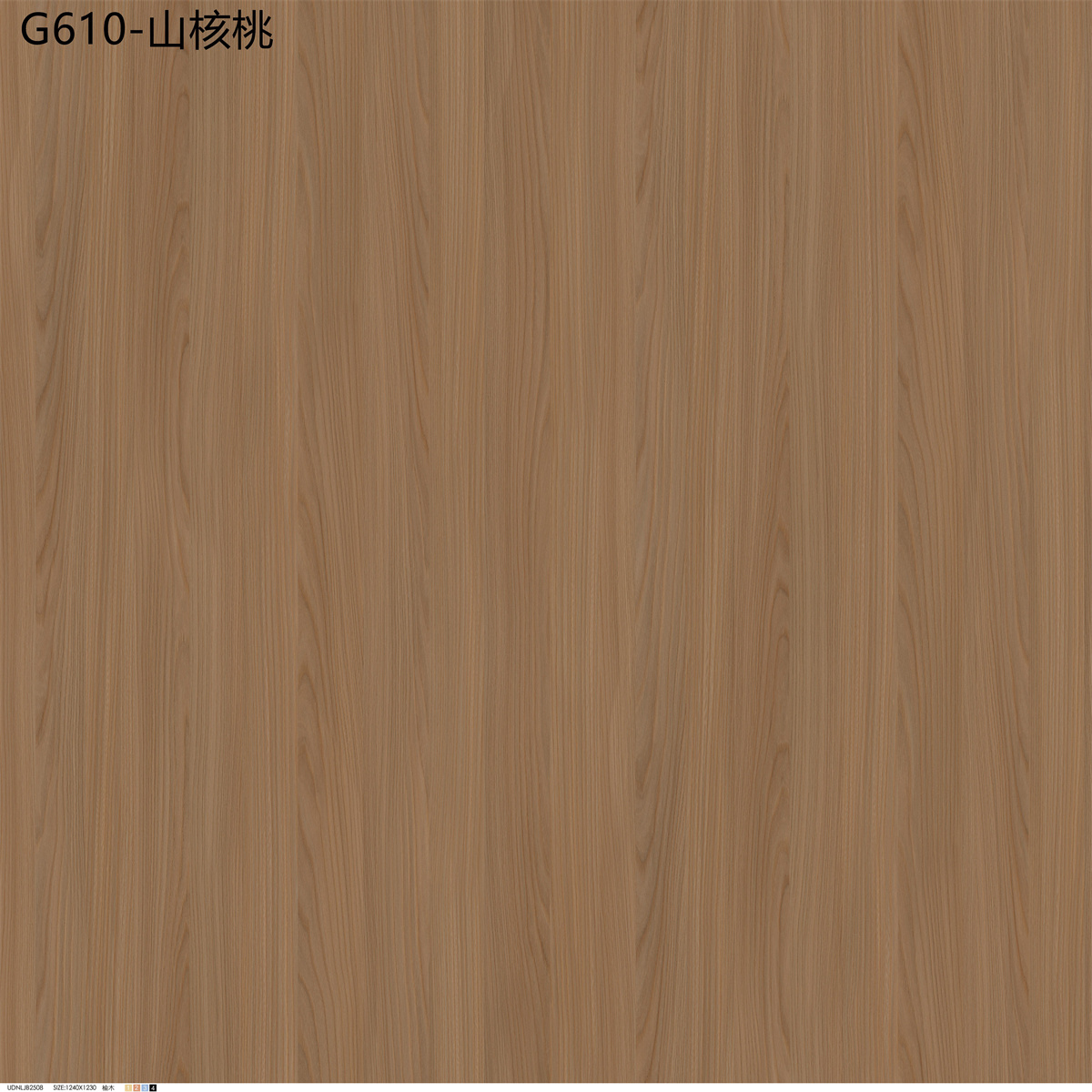
Wood veneer is a thin layer or slice of wood that is typically glued onto core panels (like wood, particle board, or medium-density fiberboard) to produce flat panels such as doors, tops, and panels for cabinets, parquet floors, and parts of furniture. This versatile material is favored in the construction and decoration industries due to its aesthetic and functional properties.
One of the primary advantages of wood veneer is its ability to showcase the natural beauty of wood while using significantly less material than solid wood. This makes it a more sustainable option, as the use of veneer can help in conserving forests and reducing waste. Additionally, veneers are available in a wide variety of species, patterns, and finishes, providing designers and architects with ample choices to match their aesthetic vision.
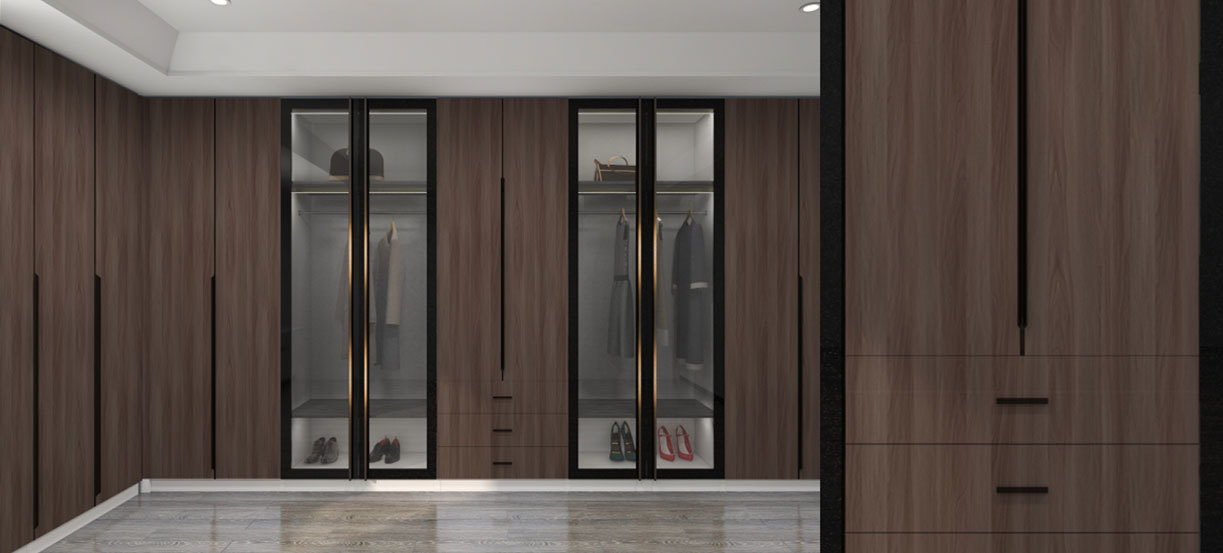
In architectural applications, wood veneer can be utilized in wall paneling, ceilings, and flooring, adding warmth and elegance to both residential and commercial spaces. It is often used in high-end designs where the appearance of solid wood is desired, but budget constraints or weight considerations come into play. Veneered surfaces can enhance the look of an interior while maintaining a lightweight structure, making it suitable for various building designs.
Aside from its aesthetic appeal, wood veneer also offers practical benefits. It is less prone to warping compared to solid wood, as it is less affected by changes in humidity and temperature. This stability makes it an excellent choice for environments with fluctuating conditions. Moreover, many modern veneers are treated to resist scratches, stains, and fading, adding to their durability and longevity.
The installation of wood veneer can be achieved through various techniques, including pressure-sensitive adhesive, heat bonding, or traditional woodworking methods. The choice of technique often depends on the specific application and desired finish. Furthermore, with advancements in technology, some manufacturers now offer pre-finished wood veneers, simplifying the installation process and ensuring a consistent look across surfaces.
Maintenance of wood veneer is relatively straightforward. Regular cleaning with a soft, damp cloth and the occasional application of wood polish can help maintain its natural luster. However, it is important to avoid harsh chemicals that could damage the veneer finish.
In summary, wood veneer is an excellent choice for those looking to incorporate the beauty of wood into their architectural and decorative projects. Its sustainability, versatility, and aesthetic appeal make it an ideal solution for various applications in the building industry. Whether for residential or commercial use, wood veneer offers a practical and visually stunning option that can elevate the design of any space.
One of the primary advantages of wood veneer is its ability to showcase the natural beauty of wood while using significantly less material than solid wood. This makes it a more sustainable option, as the use of veneer can help in conserving forests and reducing waste. Additionally, veneers are available in a wide variety of species, patterns, and finishes, providing designers and architects with ample choices to match their aesthetic vision.
In architectural applications, wood veneer can be utilized in wall paneling, ceilings, and flooring, adding warmth and elegance to both residential and commercial spaces. It is often used in high-end designs where the appearance of solid wood is desired, but budget constraints or weight considerations come into play. Veneered surfaces can enhance the look of an interior while maintaining a lightweight structure, making it suitable for various building designs.
Aside from its aesthetic appeal, wood veneer also offers practical benefits. It is less prone to warping compared to solid wood, as it is less affected by changes in humidity and temperature. This stability makes it an excellent choice for environments with fluctuating conditions. Moreover, many modern veneers are treated to resist scratches, stains, and fading, adding to their durability and longevity.
The installation of wood veneer can be achieved through various techniques, including pressure-sensitive adhesive, heat bonding, or traditional woodworking methods. The choice of technique often depends on the specific application and desired finish. Furthermore, with advancements in technology, some manufacturers now offer pre-finished wood veneers, simplifying the installation process and ensuring a consistent look across surfaces.
Maintenance of wood veneer is relatively straightforward. Regular cleaning with a soft, damp cloth and the occasional application of wood polish can help maintain its natural luster. However, it is important to avoid harsh chemicals that could damage the veneer finish.
In summary, wood veneer is an excellent choice for those looking to incorporate the beauty of wood into their architectural and decorative projects. Its sustainability, versatility, and aesthetic appeal make it an ideal solution for various applications in the building industry. Whether for residential or commercial use, wood veneer offers a practical and visually stunning option that can elevate the design of any space.
Previous page:
Get a free quote
We welcome your inquiries. Tell us about your project to get a free quote.
Contact Us
Address: No. 3, Xinyuan 1st Road, Jili Industrial Park, Nan Zhuang Town, Chancheng District, Foshan City, Guangdong Province


Foshan Zhonghong Decoration Materials Co., Ltd.Technical Support:China Enterprise Network Shunde |SEO
Business License