


language
Achieving Warmth and Elegance with Pearwood Veneer: The Ultimate Guide
Apr 23,2026
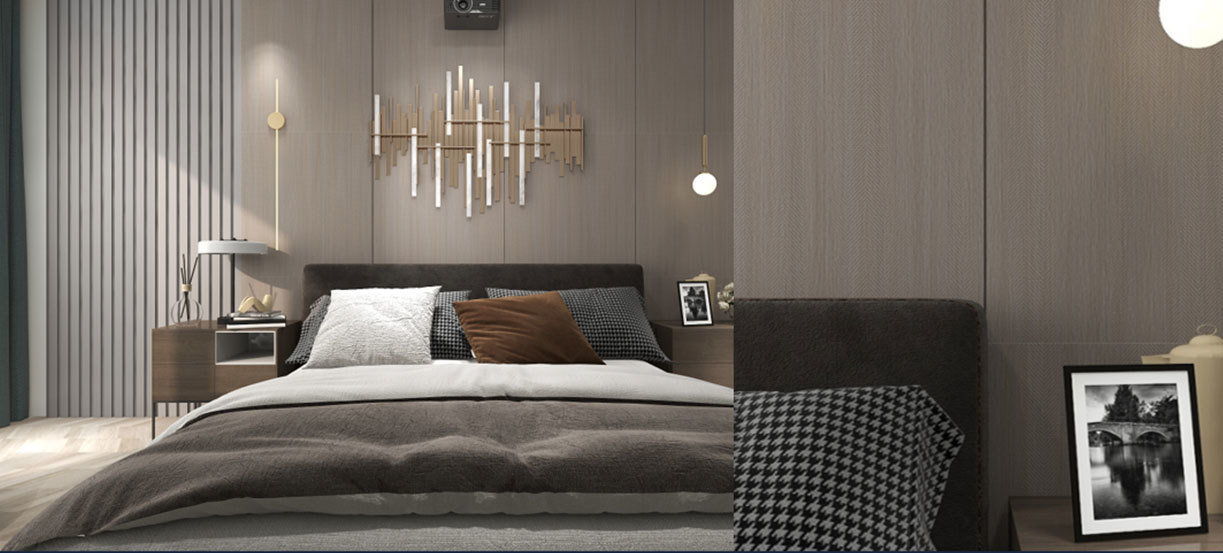
Achieving Warmth and Elegance with Pearwood Veneer: The Ultimate Guide
Table of Contents
1. Introduction: The Allure of Pearwood Veneer
2. What is Pearwood Veneer?
2.1 The Characteristics of Pearwood
2.2 How Pearwood is Processed into Veneer
3. The Aesthetic Appeal of Pearwood Veneer
3.1 Color Variations and Grain Patterns
3.2 Creating a Warm Ambiance with Pearwood
4. Applications of Pearwood Veneer in Interiors
4.1 Furniture Design
4.2 Wall Paneling
4.3 Cabinetry and Millwork
5. Advantages of Using Pearwood Veneer
5.1 Sustainability and Eco-Friendliness
5.2 Durability and Maintenance
6. How to Choose the Right Pearwood Veneer
6.1 Understanding Grades and Quality
6.2 Matching Pearwood with Other Materials
7. Caring for Pearwood Veneer
7.1 Cleaning Techniques
7.2 Repairing Minor Damages
8. Frequently Asked Questions
9. Conclusion: Elevating Your Space with Pearwood Veneer
1. Introduction: The Allure of Pearwood Veneer
Pearwood veneer has emerged as a popular choice in the realm of architectural and decorative materials. Renowned for its unique aesthetic and functional qualities, pearwood veneer brings a distinct warmth and elegance to any space. This guide will delve into the characteristics, applications, and advantages of pearwood veneer, providing you with a comprehensive understanding of why it is an exceptional choice for enhancing your interiors.
2. What is Pearwood Veneer?
Pearwood veneer is a thin slice of wood that is derived from the pear tree (Pyrus). This type of veneer is celebrated for its fine grain, smooth texture, and rich coloration, making it a favored material in furniture and interior design.
2.1 The Characteristics of Pearwood
Pearwood is characterized by its fine, even texture and warm, honey-gold hue. Its grain is typically straight but can also feature subtle waves and patterns, adding depth to any application. Additionally, pearwood has a density that provides durability while still allowing for intricate designs.
2.2 How Pearwood is Processed into Veneer
The process of creating pearwood veneer involves the careful slicing of the wood into thin sheets, usually less than 1/8 inch thick. The wood is first treated to enhance its stability, and then it is cut using specialized equipment. This meticulous process ensures that the veneer retains the natural beauty of the wood while making it suitable for various applications.
3. The Aesthetic Appeal of Pearwood Veneer
The visual impact of pearwood veneer cannot be overstated. Its aesthetic qualities contribute significantly to the overall ambiance of a space.
3.1 Color Variations and Grain Patterns
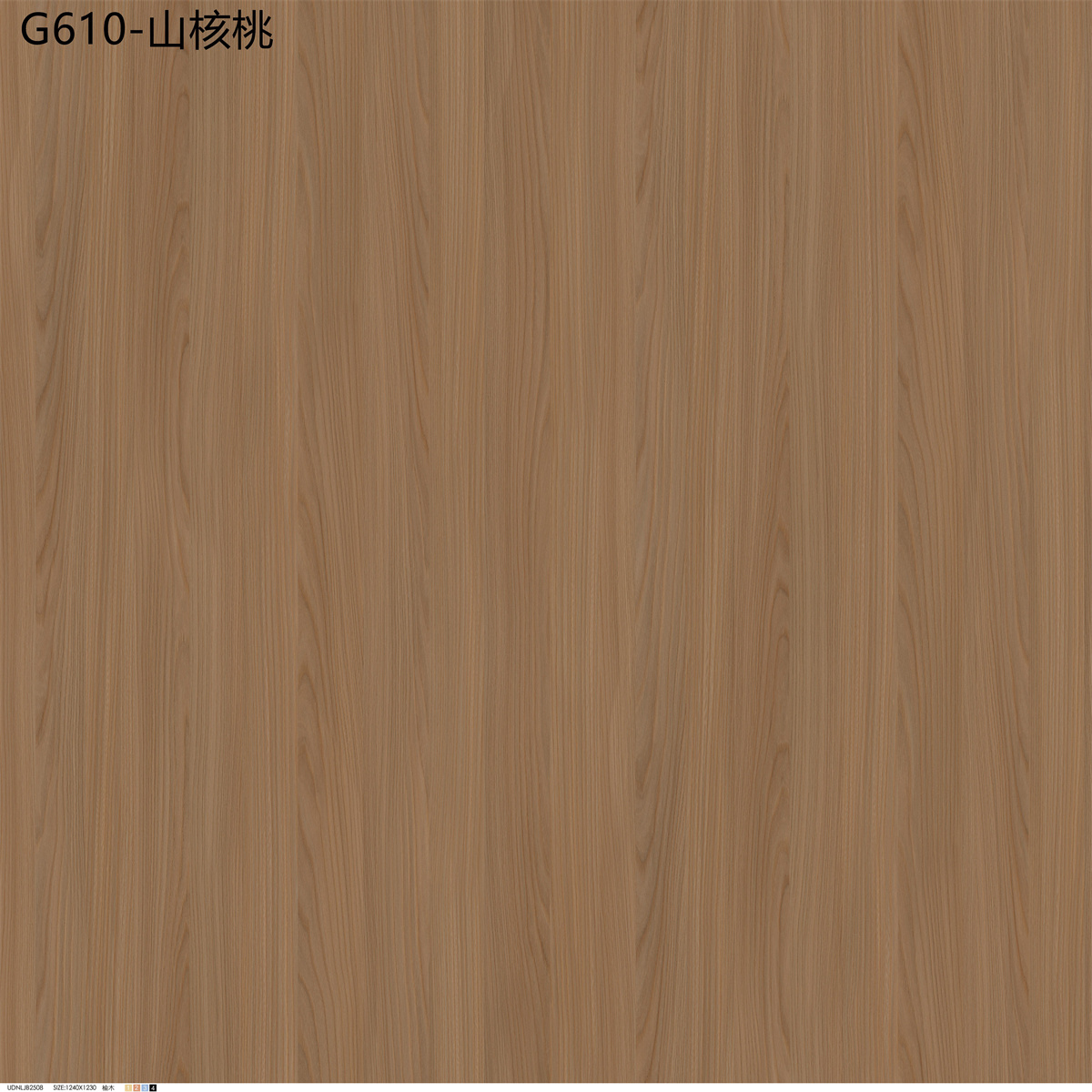
Pearwood veneer displays a spectrum of colors, ranging from light tan to deep amber. The natural sheen of the wood enhances its color, creating a luxurious appearance. The grain patterns can vary, with some pieces showcasing exquisite figure and flamed designs that add character and interest.
3.2 Creating a Warm Ambiance with Pearwood
One of the most compelling reasons to choose pearwood veneer is its ability to create a warm atmosphere. When used in furniture, cabinetry, or paneling, pearwood can soften the lines of a room and provide a cozy, inviting feel that enhances comfort and relaxation.
4. Applications of Pearwood Veneer in Interiors
The versatility of pearwood veneer allows it to be used in a variety of applications, making it an ideal choice for both residential and commercial spaces.
4.1 Furniture Design
Pearwood veneer is often used in high-end furniture design. Its elegance lends itself well to dining tables, chairs, and cabinetry, allowing designers to create pieces that are not only functional but also works of art.
4.2 Wall Paneling
Incorporating pearwood veneer into wall paneling can dramatically enhance the aesthetic of a room. The natural beauty of the wood adds warmth and richness, making it an excellent choice for both contemporary and traditional designs.
4.3 Cabinetry and Millwork
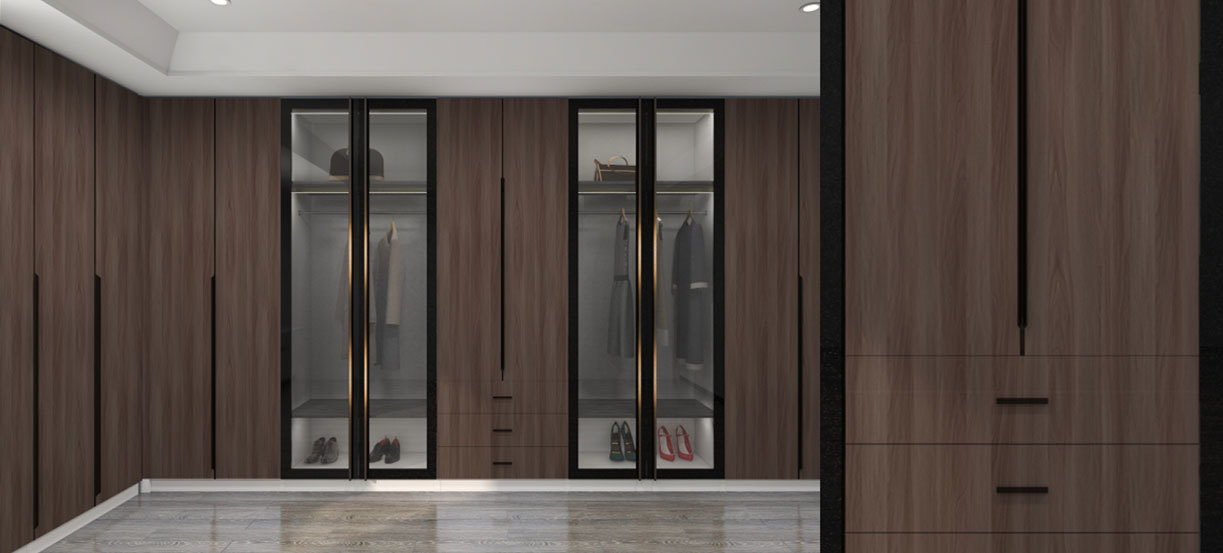
Pearwood veneer is frequently utilized in cabinetry and millwork due to its durability and visual appeal. It can be applied to kitchen cabinets, built-in bookshelves, and custom millwork, providing a seamless and polished look.
5. Advantages of Using Pearwood Veneer
Choosing pearwood veneer comes with a multitude of benefits that extend beyond its visual appeal.
5.1 Sustainability and Eco-Friendliness
Sustainability is a growing concern in the materials industry. Pearwood veneer is an eco-friendly option, as it utilizes less wood than solid lumber while still providing the same aesthetic benefits. Responsible sourcing of pearwood contributes to forest conservation efforts.
5.2 Durability and Maintenance
Pearwood veneer is not only beautiful but also durable. Its resistance to wear and tear makes it suitable for high-traffic areas. Additionally, maintaining pearwood veneer is straightforward; regular dusting and occasional polishing keep it looking its best.
6. How to Choose the Right Pearwood Veneer
Selecting the right pearwood veneer is crucial for achieving the desired look and functionality in your project.
6.1 Understanding Grades and Quality
Pearwood veneer comes in various grades, each suitable for different applications. Higher-grade veneers exhibit fewer defects and more consistent grain patterns, making them ideal for fine furniture. Understanding these grades will help you make an informed choice.
6.2 Matching Pearwood with Other Materials
When incorporating pearwood veneer into a design, it’s essential to consider how it interacts with other materials. Pearwood pairs beautifully with metals, glass, and fabrics, creating a harmonious and balanced aesthetic.
7. Caring for Pearwood Veneer
Proper care is vital to maintaining the beauty and longevity of pearwood veneer.
7.1 Cleaning Techniques
To clean pearwood veneer, use a soft, damp cloth to wipe away dust and spills. Avoid harsh chemicals, as they can damage the finish. For deeper cleaning, a gentle wood cleaner can be used sparingly.
7.2 Repairing Minor Damages
Minor scratches and dents can be repaired using wood filler or touch-up kits specifically designed for veneers. It’s essential to follow the manufacturer’s instructions for best results.
8. Frequently Asked Questions
8.1 What are the benefits of using pearwood veneer over solid wood?
Pearwood veneer offers a similar aesthetic to solid wood while being more cost-effective and sustainable. It uses less wood, reducing waste and environmental impact.
8.2 How can I tell if my pearwood veneer is of high quality?
High-quality pearwood veneer will have consistent grain patterns, a smooth surface, and minimal defects. Inspecting the veneer under good lighting can reveal its true quality.
8.3 Is pearwood veneer suitable for outdoor use?
While pearwood veneer is durable, it is not recommended for outdoor use. Exposure to moisture and direct sunlight can lead to warping and fading.
8.4 Can I finish pearwood veneer, and if so, how?
Yes, pearwood veneer can be finished to enhance its appearance and protect it. A clear coat or lacquer can provide a beautiful finish, but it should be applied in a well-ventilated area.
8.5 What styles of decor work best with pearwood veneer?
Pearwood veneer complements a variety of decor styles, including contemporary, traditional, and mid-century modern. Its versatility allows it to blend seamlessly with many design aesthetics.
9. Conclusion: Elevating Your Space with Pearwood Veneer
In summary, pearwood veneer stands out as a remarkable choice for adding warmth and elegance to any interior. Its unique characteristics, aesthetic appeal, and versatility make it a preferred material for architects, designers, and homeowners alike. By understanding its applications, benefits, and care, you can effectively leverage pearwood veneer to enhance your spaces, creating an inviting and sophisticated atmosphere that will stand the test of time.
Get a free quote
We welcome your inquiries. Tell us about your project to get a free quote.
Contact Us
Address: No. 3, Xinyuan 1st Road, Jili Industrial Park, Nan Zhuang Town, Chancheng District, Foshan City, Guangdong Province


Foshan Zhonghong Decoration Materials Co., Ltd.Technical Support:China Enterprise Network Shunde |SEO
Business License