


language
Exploring the Beauty and Versatility of Elm Wood Grain Veneer
Apr 02,2026

Elm Wood Grain Veneer is a highly regarded material in the field of architectural and decorative applications, known for its stunning visual appeal and versatility. Derived from the durable and resilient elm tree, this veneer showcases a distinctive grain pattern that can elevate the aesthetic of any project. Its natural beauty, combined with practical benefits, makes it an excellent choice for various design applications.
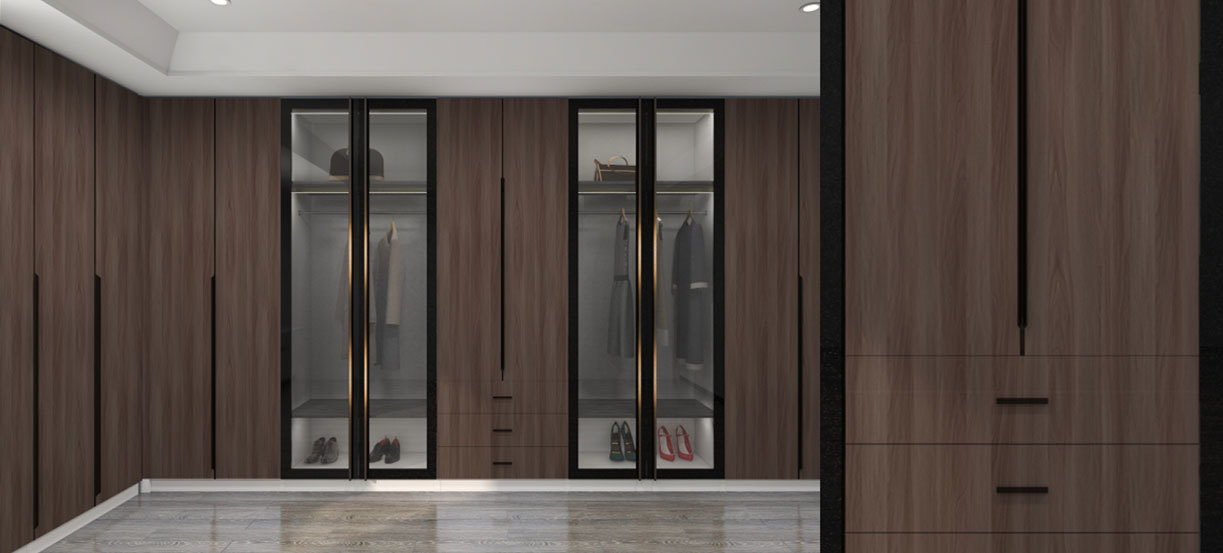
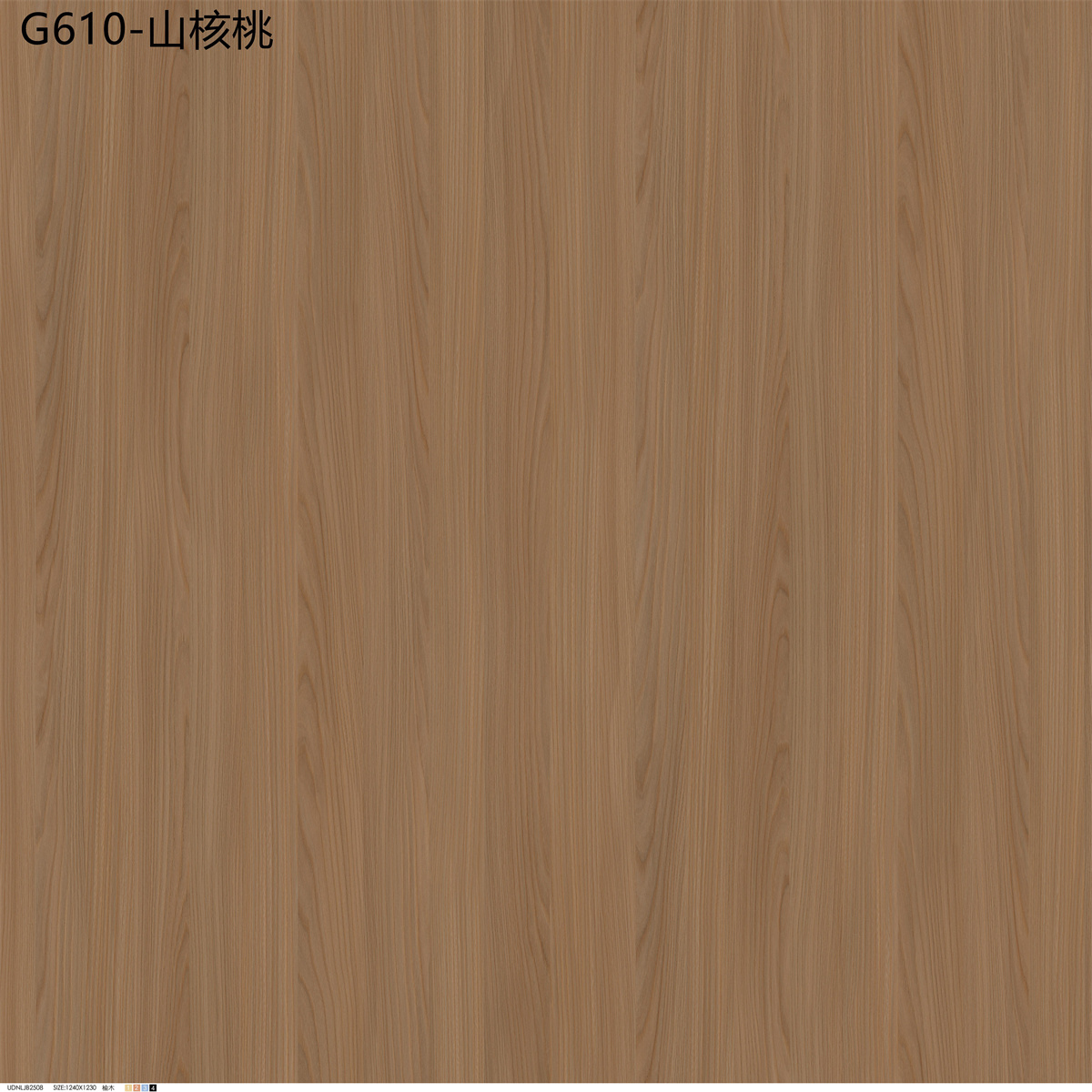
One of the standout features of Elm Wood Grain Veneer is its unique grain pattern. Elm trees produce a wide range of colors and textures, from rich browns to light yellows, often featuring wavy or interlocking grain patterns. This variability allows designers to choose veneers that perfectly match their vision, whether for furniture, cabinetry, wall panels, or other decorative elements. The attractive grain can add warmth and character to interiors, making spaces feel inviting and sophisticated.
In addition to aesthetic qualities, Elm Wood Grain Veneer possesses practical advantages. Its lightweight nature makes it easy to handle and apply, while its inherent strength ensures durability over time. When properly finished, this veneer can withstand the rigors of daily use, making it suitable for both residential and commercial applications. Furthermore, the veneer can be easily cut and shaped to fit various design requirements, providing flexibility during the construction or renovation process.
Sustainability is another important aspect of using Elm Wood Grain Veneer. As a natural material, it contributes to environmentally friendly building practices, especially when sourced from responsibly managed forests. This ecological consideration resonates with many consumers and designers who are increasingly prioritizing sustainability in their projects.
Moreover, Elm Wood Grain Veneer can be paired with a variety of substrates, including plywood and MDF, enhancing its usability in different contexts. Whether used as a decorative surface in a high-traffic area or as a refined finish in a residential setting, it offers a balance of form and function. This adaptability allows for creative design solutions that meet the needs of diverse projects.
In conclusion, Elm Wood Grain Veneer stands out in the field of architectural and decorative materials due to its striking appearance, functional benefits, and sustainability. As designers and builders continue to seek innovative ways to enhance their projects, this veneer serves as a timeless choice that combines beauty with practicality. Exploring the possibilities of Elm Wood Grain Veneer can lead to the realization of exceptional design visions, making it a valuable addition to any construction or renovation endeavor.
One of the standout features of Elm Wood Grain Veneer is its unique grain pattern. Elm trees produce a wide range of colors and textures, from rich browns to light yellows, often featuring wavy or interlocking grain patterns. This variability allows designers to choose veneers that perfectly match their vision, whether for furniture, cabinetry, wall panels, or other decorative elements. The attractive grain can add warmth and character to interiors, making spaces feel inviting and sophisticated.
In addition to aesthetic qualities, Elm Wood Grain Veneer possesses practical advantages. Its lightweight nature makes it easy to handle and apply, while its inherent strength ensures durability over time. When properly finished, this veneer can withstand the rigors of daily use, making it suitable for both residential and commercial applications. Furthermore, the veneer can be easily cut and shaped to fit various design requirements, providing flexibility during the construction or renovation process.
Sustainability is another important aspect of using Elm Wood Grain Veneer. As a natural material, it contributes to environmentally friendly building practices, especially when sourced from responsibly managed forests. This ecological consideration resonates with many consumers and designers who are increasingly prioritizing sustainability in their projects.
Moreover, Elm Wood Grain Veneer can be paired with a variety of substrates, including plywood and MDF, enhancing its usability in different contexts. Whether used as a decorative surface in a high-traffic area or as a refined finish in a residential setting, it offers a balance of form and function. This adaptability allows for creative design solutions that meet the needs of diverse projects.
In conclusion, Elm Wood Grain Veneer stands out in the field of architectural and decorative materials due to its striking appearance, functional benefits, and sustainability. As designers and builders continue to seek innovative ways to enhance their projects, this veneer serves as a timeless choice that combines beauty with practicality. Exploring the possibilities of Elm Wood Grain Veneer can lead to the realization of exceptional design visions, making it a valuable addition to any construction or renovation endeavor.
Get a free quote
We welcome your inquiries. Tell us about your project to get a free quote.
Contact Us
Address: No. 3, Xinyuan 1st Road, Jili Industrial Park, Nan Zhuang Town, Chancheng District, Foshan City, Guangdong Province


Foshan Zhonghong Decoration Materials Co., Ltd.Technical Support:China Enterprise Network Shunde |SEO
Business License