


The Art of Layering: Mastering Oak Wood Veneer and Complementary Materials for Stunning Interiors
Mar 12,2026
The Art of Layering: Mastering Oak Wood Veneer and Complementary Materials for Stunning Interiors
Layering is an essential technique in interior design that adds depth, warmth, and sophistication to any space. Among various materials, oak wood veneer stands out as a versatile choice that harmonizes beautifully with different textures and finishes. In this article, we will delve into the art of layering oak wood veneer with other materials, exploring its benefits, techniques, and practical applications in enhancing your interiors.
Table of Contents
- 1. Understanding Oak Wood Veneer and Its Unique Qualities
- 2. The Benefits of Using Oak Veneer in Interior Design
- 3. Layering Techniques with Oak Wood Veneer
- 4. Complementary Materials for Layering with Oak Veneer
- 5. Choosing the Right Color Palette for Layering
- 6. Practical Applications of Layering Techniques in Interior Design
- 7. Case Studies: Inspiring Examples of Layering with Oak Veneer
- 8. FAQs About Oak Wood Veneer Layering
- 9. Conclusion
1. Understanding Oak Wood Veneer and Its Unique Qualities
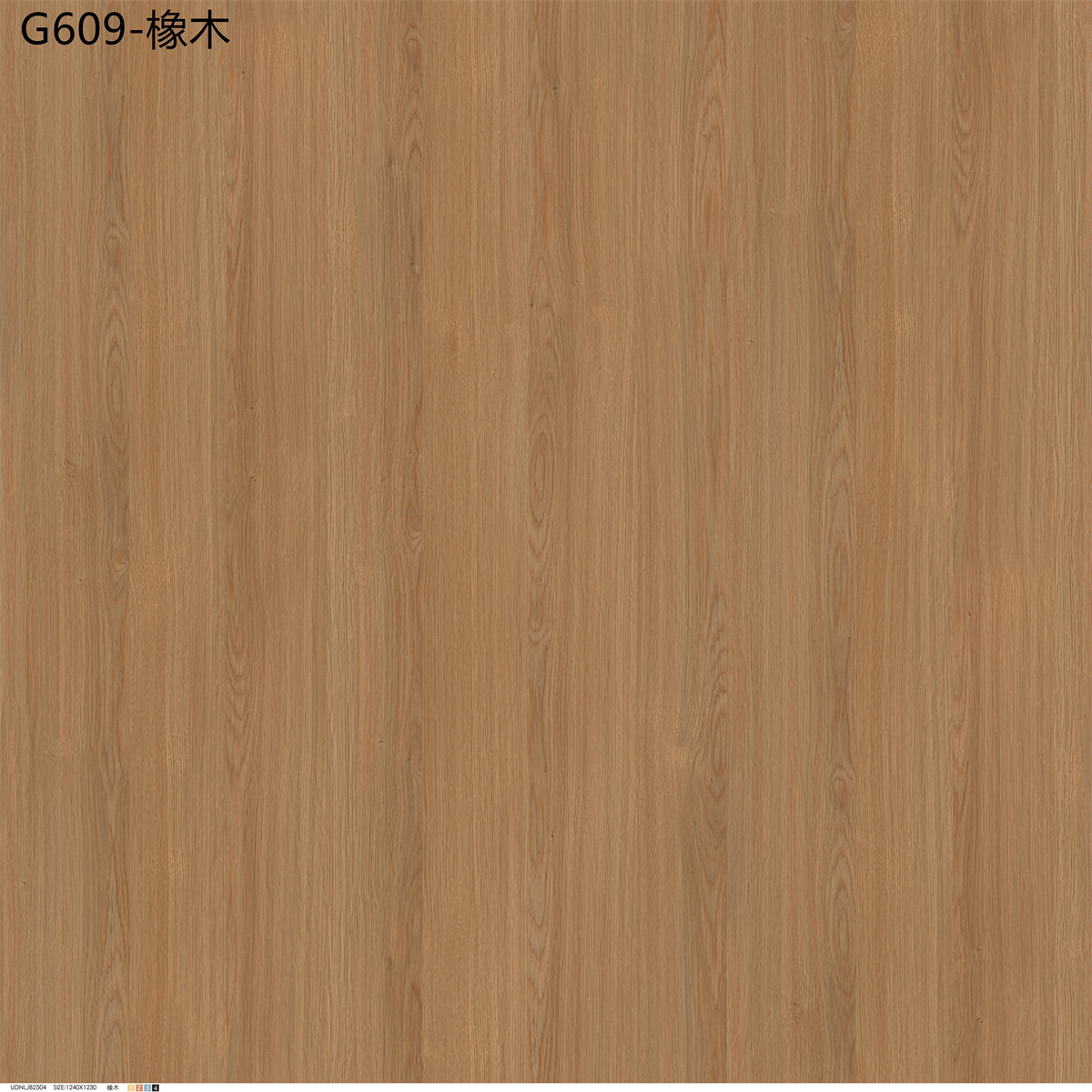
Oak wood veneer is a thin layer of oak wood that is sliced from a log, preserving the unique grain patterns and natural beauty of oak while being more cost-effective than solid wood. This material is appreciated for its stunning visuals and durability, making it a popular choice in furniture, cabinetry, and wall coverings.
The Origins of Oak Wood Veneer
Derived from the oak tree, which is known for its strength and resilience, oak wood veneer retains the characteristic grain patterns that many find appealing. It can be stained or finished in various ways, allowing for a wide range of design options.
Types of Oak Wood Veneer
There are two primary types of oak wood veneer: red oak and white oak. Red oak is slightly softer and has a pinkish hue, while white oak is denser and tends to have a more muted, golden tone. Choosing between the two depends on the desired aesthetic and the specific application.
2. The Benefits of Using Oak Veneer in Interior Design
Incorporating oak wood veneer into your design projects comes with numerous advantages that enhance both aesthetics and functionality.
1. Cost-Effectiveness
Using oak veneer is a budget-friendly alternative to solid oak. It provides the same visual appeal without the high cost associated with thicker, solid wood.
2. Eco-Friendly Option
Since veneer uses less wood than solid pieces, it is considered a more sustainable choice. This aspect is particularly appealing for environmentally-conscious designers and homeowners.
3. Versatility in Design
Oak veneer can be applied in various ways, from furniture to wall panels, allowing for creative freedom in interior design. Its adaptability makes it suitable for both contemporary and traditional styles.
4. Easy to Maintain
Veneered surfaces are easy to clean and maintain. With proper care, oak veneer can last for many years, remaining beautiful and functional.
3. Layering Techniques with Oak Wood Veneer
Layering is more than just stacking materials; it involves creating a cohesive look by thoughtfully combining textures, colors, and patterns.
Creating Depth with Texture
One of the most effective layering techniques is to combine oak veneer with materials that offer a contrasting texture. For example, pairing smooth veneer finishes with coarse fabrics or metals can add visual interest and tactile variety.
Layering Colors
Combining different shades of oak veneer can create a striking effect. Use lighter tones of oak for foundational elements and darker shades for accent pieces, promoting a balanced look.
Utilizing Patterns
Incorporating patterns through wallpaper, textiles, or even inlaid designs can enhance the layered appearance of a space. Consider geometric or organic patterns that complement the natural grain of the oak veneer.
4. Complementary Materials for Layering with Oak Veneer
To achieve a harmonious layered look, it’s essential to pair oak veneer with the right complementary materials.
1. Fabrics and Textiles
Soft textiles such as velvet, linen, or cotton can soften the look of oak veneer, adding warmth and comfort to the environment. Consider using throw pillows, curtains, or upholstered furniture to enhance this effect.
2. Glass and Metal Accents
Integrating glass and metal elements can provide a modern contrast to the natural feel of oak veneer. Think about glass tabletops, metal light fixtures, or decorative accents that shine against the wood’s rich tones.
3. Stone and Ceramics
Natural stone and ceramics can complement oak veneer beautifully, offering a balance of organic and refined elements. Use stone countertops or ceramic tiles to create a cohesive theme.
5. Choosing the Right Color Palette for Layering
The color palette plays a crucial role in the effectiveness of layering. Selecting the right colors will help unify your space while allowing oak veneer to shine.
Neutral Tones
Neutral colors like whites, grays, and beiges allow oak veneer to take center stage. They create a calm backdrop that enhances the wood’s natural beauty.
Earthy Hues
Incorporating earthy colors such as greens, browns, and blues can evoke a sense of tranquility and connection to nature, perfectly complementing the organic characteristics of oak veneer.
Bold Accents
Adding bold colors as accents—like deep blues or rich reds—can create striking contrasts that invigorate the space. Use these colors sparingly to avoid overwhelming the natural warmth of the oak veneer.
6. Practical Applications of Layering Techniques in Interior Design
Understanding how to apply layering techniques can transform your spaces into visually compelling environments.
Layering in Living Rooms
In living rooms, consider using oak veneer for cabinetry or accent walls, layering it with soft textiles and metal accents. This combination provides comfort and sophistication.
Layering in Bedrooms
In bedrooms, oak veneer can be used for bed frames, nightstands, and feature walls. Soft bedding in complementary fabrics can enhance comfort and style.
Layering in Kitchens
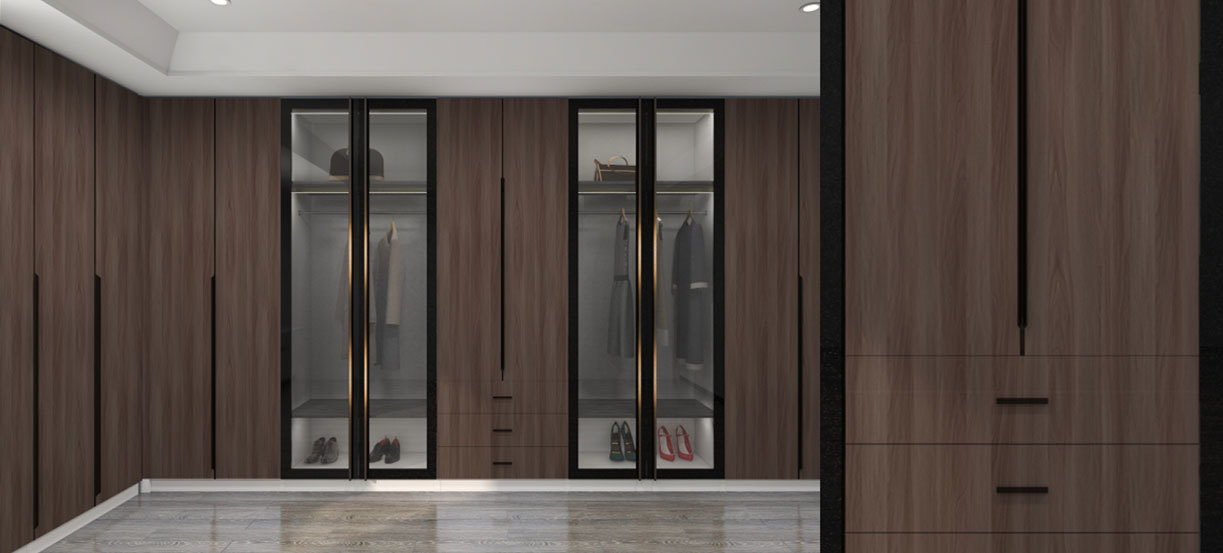
Utilizing oak veneer for cabinetry while incorporating stone countertops creates a beautiful contrast. Layer with decorative accessories that reflect the overall color palette.
7. Case Studies: Inspiring Examples of Layering with Oak Veneer
Examining successful applications of oak veneer layering can provide valuable insights for your projects.
Case Study 1: Modern Minimalism
A contemporary home featured oak veneer cabinetry with sleek metal hardware and minimalist decor. The result was a clean, open aesthetic that feels inviting and stylish.
Case Study 2: Rustic Charm
A rustic-style cabin utilized oak veneer for wall paneling, layered with wool textiles and earthy tones. This approach created a warm, cozy atmosphere that invites relaxation.
Case Study 3: Eclectic Fusion
An eclectic living space combined oak veneer furniture with vibrant colors and varied textures. The layering of different materials created an engaging visual narrative that reflects personal style.
8. FAQs About Oak Wood Veneer Layering
1. What is the difference between oak veneer and solid oak?
Oak veneer is a thin layer of oak wood, while solid oak is a thicker, solid piece of wood. Veneer is more cost-effective and sustainable but offers similar aesthetics.
2. Can I stain oak veneer?
Yes, oak veneer can be stained to enhance its natural beauty or to match specific color schemes in your design.
3. How do I maintain oak veneer surfaces?
Maintaining oak veneer surfaces involves regular dusting and occasional cleaning with a damp cloth. Avoid harsh chemicals that can damage the finish.
4. Is oak veneer suitable for high-traffic areas?
While oak veneer is durable, it may not be the best choice for high-traffic areas like floors. However, it works well for furniture and cabinetry in such spaces.
5. How can I ensure a cohesive look when layering materials?
To ensure a cohesive look, focus on a unified color palette and consider the balance of textures and patterns. Aim for harmony between the layers to create a visually appealing environment.
9. Conclusion
Layering oak wood veneer with complementary materials is an art form that can significantly elevate your interior spaces. By understanding the qualities of oak veneer, employing effective layering techniques, and carefully selecting accompanying materials, you can create stunning, personalized interiors. Whether you're a seasoned designer or a DIY enthusiast, mastering the art of layering will transform your spaces into beautiful reflections of your style and personality.
Get a free quote
We welcome your inquiries. Tell us about your project to get a free quote.
Contact Us
Address: No. 3, Xinyuan 1st Road, Jili Industrial Park, Nan Zhuang Town, Chancheng District, Foshan City, Guangdong Province


Foshan Zhonghong Decoration Materials Co., Ltd.Technical Support:China Enterprise Network Shunde |SEO