


language
The Art of Layering: Pearwood Veneer in Multi-Material Designs
Feb 26,2026
The Art of Layering: Pearwood Veneer in Multi-Material Designs
Introduction: The Allure of Pearwood Veneer
Pearwood veneer has emerged as a beloved choice among architects and interior designers, thanks to its unique properties and stunning visual appeal. By incorporating this material into multi-material designs, we can achieve a rich, textured appearance that exudes sophistication. This article delves into the various aspects of using pearwood veneer in layered designs, including its characteristics, advantages, and practical applications.
Understanding Pearwood: Characteristics and Benefits
What is Pearwood Veneer?
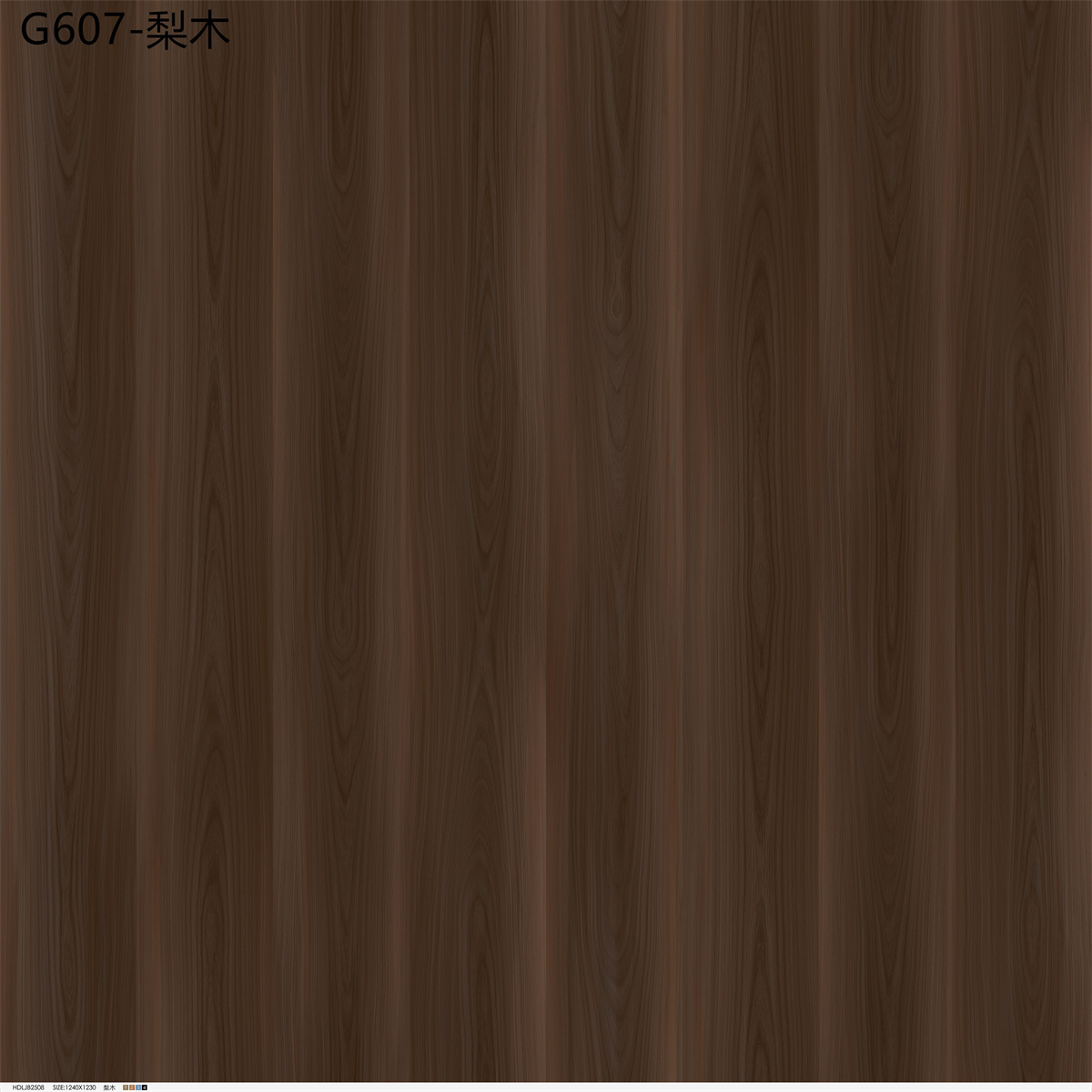
Pearwood veneer is a thin slice of wood from the pear tree, prized for its intricate grain patterns and smooth texture. Derived from a sustainable source, it offers aesthetic qualities that elevate any design project. The veneer is typically available in various thicknesses, enabling versatility in application.
Unique Aesthetic Qualities
One of the most compelling attributes of pearwood veneer is its striking appearance. The wood features a fine grain with subtle color variations that can range from pale yellow to light brown. This natural beauty adds depth and warmth to designs, making it a favorite for both traditional and contemporary interiors.
Environmental Sustainability of Pearwood
As consumers become increasingly concerned about sustainability, pearwood veneer stands out as an eco-friendly choice. The wood is sourced from responsibly managed forests, ensuring the preservation of natural habitats. By choosing pearwood veneer, we contribute to sustainable practices while benefiting from a high-quality material.
The Art of Layering: Techniques and Applications
Layering Basics: What to Consider
When layering pearwood veneer with other materials, several factors come into play. The choice of complementary materials, color schemes, and textures can significantly impact the overall design. Understanding these elements will help you create harmonious and visually appealing compositions.
Complementing Materials for Effective Layering
To maximize the potential of pearwood veneer, it’s essential to pair it with the right complementary materials. Common options include:
- **Metals**: Incorporating metals like brass or stainless steel can create a beautiful contrast with the warmth of pearwood. This combination adds a modern edge to traditional designs.
- **Glass**: The transparency of glass allows the intricate patterns of pearwood to shine through, creating a captivating interplay of light and texture.
- **Fabrics**: Textiles such as linen or velvet can soften the look of pearwood, providing an inviting atmosphere in both residential and commercial spaces.
Design Inspirations for Multi-Material Layering
Implementing pearwood veneer in layered designs opens up a world of creative possibilities. Here are some design inspirations to consider:
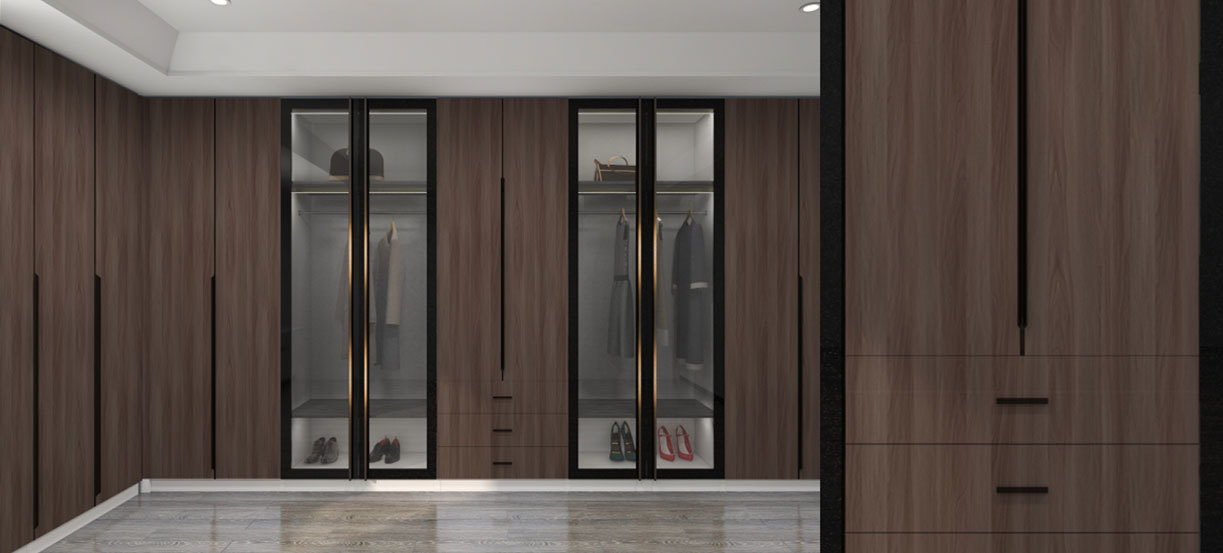
- **Wall Panels**: Using pearwood veneer as part of a wall paneling system can add warmth to rooms. When combined with metal accents or painted surfaces, it creates a striking focal point.
- **Furniture Design**: Layering pearwood veneer in furniture pieces, such as tables or cabinetry, can enhance their aesthetic appeal. Consider contrasting finishes or coatings to highlight the veneer’s natural beauty.
- **Ceiling Treatments**: Installing pearwood veneer in ceiling designs adds an element of surprise and elegance. It can be combined with lighting elements for a dramatic effect.
Practical Considerations: Installation and Maintenance
Installation Techniques for Pearwood Veneer
Successfully implementing pearwood veneer in designs requires careful installation techniques. Here are some key steps to ensure a flawless application:
- **Surface Preparation**: Ensure the substrate is clean, dry, and smooth. Any imperfections can affect the adhesion of the veneer.
- **Adhesive Selection**: Use high-quality adhesive suitable for the type of surface you are working with. This choice is crucial for long-lasting results.
- **Cutting and Trimming**: Use sharp tools to cut the veneer accurately. Precision is vital to avoid fraying or damage.
Maintenance Tips for Longevity
To keep your pearwood veneer looking its best, regular maintenance is essential. Follow these tips:
- **Cleaning**: Use a soft, damp cloth to wipe surfaces. Avoid harsh chemicals that can damage the finish.
- **Avoiding Direct Sunlight**: Prolonged exposure to sunlight can cause fading. Position furniture and decor to mitigate this risk.
Innovative Trends in Multi-Material Design
Current Trends Embracing Pearwood Veneer
The design world is continually evolving, and pearwood veneer is at the forefront of innovative trends. Some notable developments include:
- **Biophilic Design**: Incorporating natural elements like wood helps foster a connection to nature, which is increasingly sought after in modern interiors.
- **Minimalist Aesthetics**: The simplicity of pearwood veneer aligns perfectly with minimalist design principles, emphasizing clean lines and uncluttered spaces.
Future Directions for Pearwood Veneer in Design
As design preferences shift, the versatility of pearwood veneer positions it well for future applications. We anticipate an increase in:
- **Customizable Solutions**: More manufacturers are beginning to offer customizable options for furniture and interiors, allowing designers to incorporate pearwood veneer in unique ways.
- **Integration of Technology**: The fusion of technology with traditional materials, such as smart furniture featuring pearwood, is likely to gain traction.
Frequently Asked Questions (FAQs)
1. What are the main advantages of using pearwood veneer in designs?
Pearwood veneer offers aesthetic appeal, sustainability, and versatility, making it ideal for multi-material designs.
2. How can I incorporate pearwood veneer into my home decor?
You can use pearwood veneer in wall panels, furniture, or as accents to enhance warmth and sophistication.
3. Is pearwood veneer durable? How do I maintain it?
Yes, pearwood veneer is durable. Regular cleaning and avoiding harsh chemicals will help maintain its appearance.
4. Can pearwood veneer be used in commercial spaces?
Absolutely! Pearwood veneer is suitable for both residential and commercial applications, adding elegance to various environments.
5. What are some popular combinations with pearwood veneer?
Pearwood veneer pairs well with metals, glass, and various fabrics, allowing for stunning layered designs.
Conclusion: Embracing the Beauty of Pearwood Veneer
Incorporating pearwood veneer into multi-material designs is not just about aesthetics; it's about creating an experience. The art of layering with this exquisite material offers endless opportunities for innovation and creativity. By understanding the characteristics, benefits, and practical applications of pearwood veneer, we can elevate our design projects to new heights. Whether in residential or commercial settings, the use of pearwood veneer will continue to inspire and captivate, making it a timeless choice in the world of architecture and design.
Get a free quote
We welcome your inquiries. Tell us about your project to get a free quote.
Contact Us
Address: No. 3, Xinyuan 1st Road, Jili Industrial Park, Nan Zhuang Town, Chancheng District, Foshan City, Guangdong Province


Foshan Zhonghong Decoration Materials Co., Ltd.Technical Support:China Enterprise Network Shunde |SEO
Business License