


language
Understanding Wood Veneer: Versatile Applications in Architecture and Design
Nov 27,2025
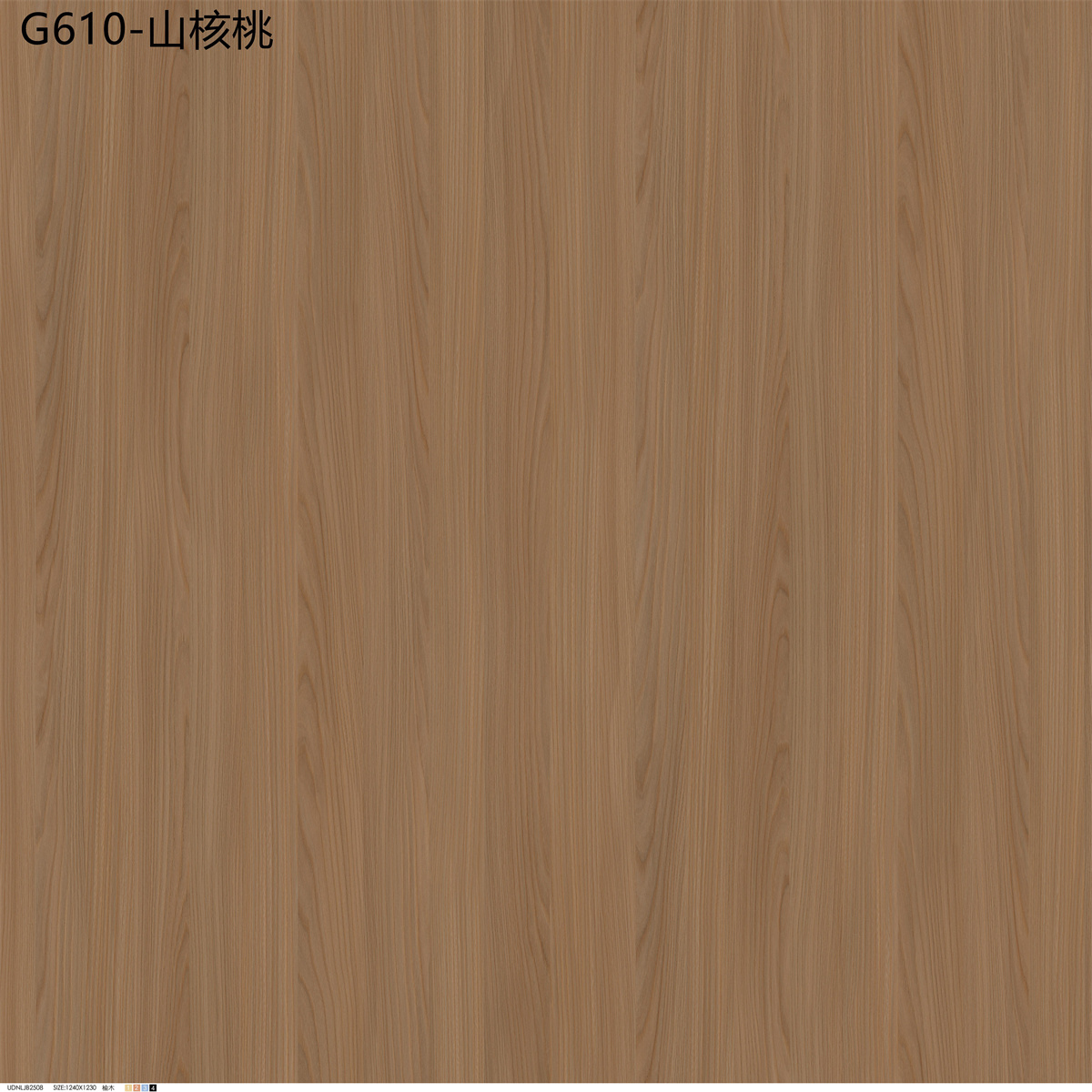
Wood veneer is a thin layer or slice of wood that is typically less than 3mm thick, made from a variety of species, including oak, maple, walnut, and cherry. This remarkable material is primarily used in the architecture and decorative materials industry, specifically under the category of other decorative materials. The unique properties of wood veneer make it an attractive choice for various applications, from furniture design to wall paneling and cabinetry.
One significant advantage of using wood veneer is its ability to provide the aesthetic qualities of solid wood while being more cost-effective and sustainable. Since veneer is a thin layer, it requires less wood than solid lumber, making it an environmentally friendly option. This characteristic is particularly appealing to architects and builders who are increasingly focused on sustainability in their projects.
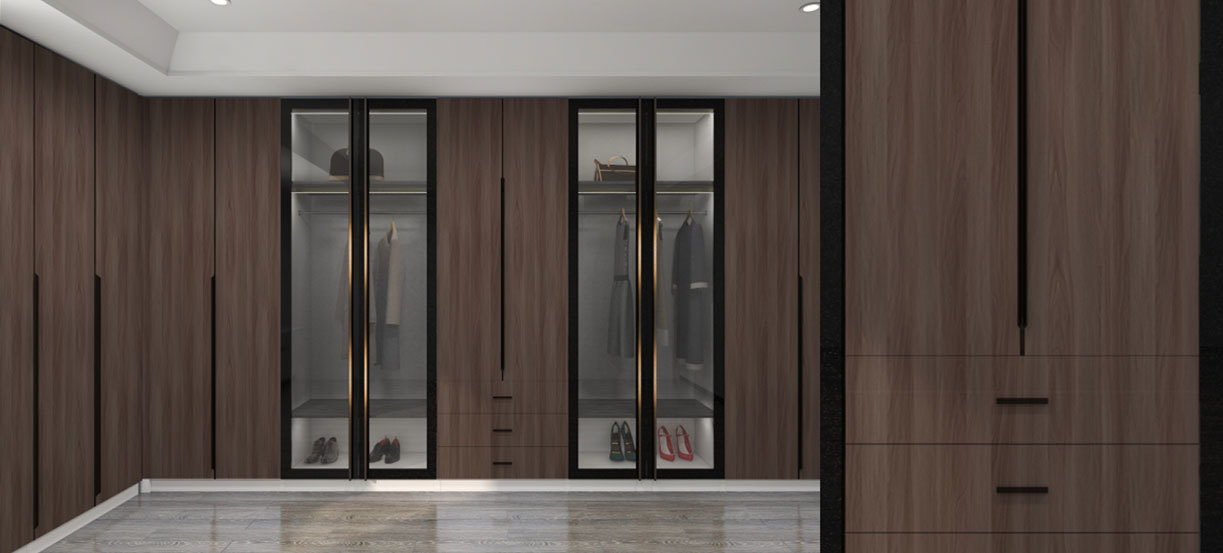
In terms of application, wood veneer is widely used in the production of plywood and laminated products. By adhering the veneer to a core material like particleboard or MDF (medium-density fiberboard), manufacturers create a strong and lightweight panel that can be used in furniture, cabinetry, and interior finishes. The versatility of wood veneer also extends to its use in creating intricate designs and patterns, allowing designers to achieve unique aesthetics in their projects.
Another essential aspect of wood veneer is its finishing capabilities. It can be stained, painted, or coated to enhance its appearance and durability, giving designers the freedom to customize the look to fit specific design themes. This adaptability makes wood veneer a popular choice for both contemporary and traditional designs, offering an array of finishes that can complement any interior style.
Moreover, wood veneer is relatively easy to work with, making it accessible for both professionals and DIY enthusiasts. It can be cut, shaped, and applied using various methods, including adhesive bonding and veneering techniques. This flexibility allows for creative expression in architectural design, enabling the incorporation of wood veneer in innovative ways.
In conclusion, wood veneer stands out as a versatile and sustainable material within the architectural and decorative materials industry. Its ability to deliver the beauty of natural wood while minimizing waste makes it a prime choice for modern design projects. As architects and designers look for ways to incorporate sustainable practices into their work, wood veneer offers an elegant solution that aligns with both aesthetic and environmental goals. By understanding the characteristics and applications of wood veneer, professionals in the field can leverage this material to enhance their designs and fulfill their creative visions.
One significant advantage of using wood veneer is its ability to provide the aesthetic qualities of solid wood while being more cost-effective and sustainable. Since veneer is a thin layer, it requires less wood than solid lumber, making it an environmentally friendly option. This characteristic is particularly appealing to architects and builders who are increasingly focused on sustainability in their projects.
In terms of application, wood veneer is widely used in the production of plywood and laminated products. By adhering the veneer to a core material like particleboard or MDF (medium-density fiberboard), manufacturers create a strong and lightweight panel that can be used in furniture, cabinetry, and interior finishes. The versatility of wood veneer also extends to its use in creating intricate designs and patterns, allowing designers to achieve unique aesthetics in their projects.
Another essential aspect of wood veneer is its finishing capabilities. It can be stained, painted, or coated to enhance its appearance and durability, giving designers the freedom to customize the look to fit specific design themes. This adaptability makes wood veneer a popular choice for both contemporary and traditional designs, offering an array of finishes that can complement any interior style.
Moreover, wood veneer is relatively easy to work with, making it accessible for both professionals and DIY enthusiasts. It can be cut, shaped, and applied using various methods, including adhesive bonding and veneering techniques. This flexibility allows for creative expression in architectural design, enabling the incorporation of wood veneer in innovative ways.
In conclusion, wood veneer stands out as a versatile and sustainable material within the architectural and decorative materials industry. Its ability to deliver the beauty of natural wood while minimizing waste makes it a prime choice for modern design projects. As architects and designers look for ways to incorporate sustainable practices into their work, wood veneer offers an elegant solution that aligns with both aesthetic and environmental goals. By understanding the characteristics and applications of wood veneer, professionals in the field can leverage this material to enhance their designs and fulfill their creative visions.
Next page:
Get a free quote
We welcome your inquiries. Tell us about your project to get a free quote.
Contact Us
Address: No. 3, Xinyuan 1st Road, Jili Industrial Park, Nan Zhuang Town, Chancheng District, Foshan City, Guangdong Province


Foshan Zhonghong Decoration Materials Co., Ltd.Technical Support:China Enterprise Network Shunde |SEO
Business License