


language
Exploring the Beauty and Versatility of Elm Wood Grain Veneer
Oct 16,2025
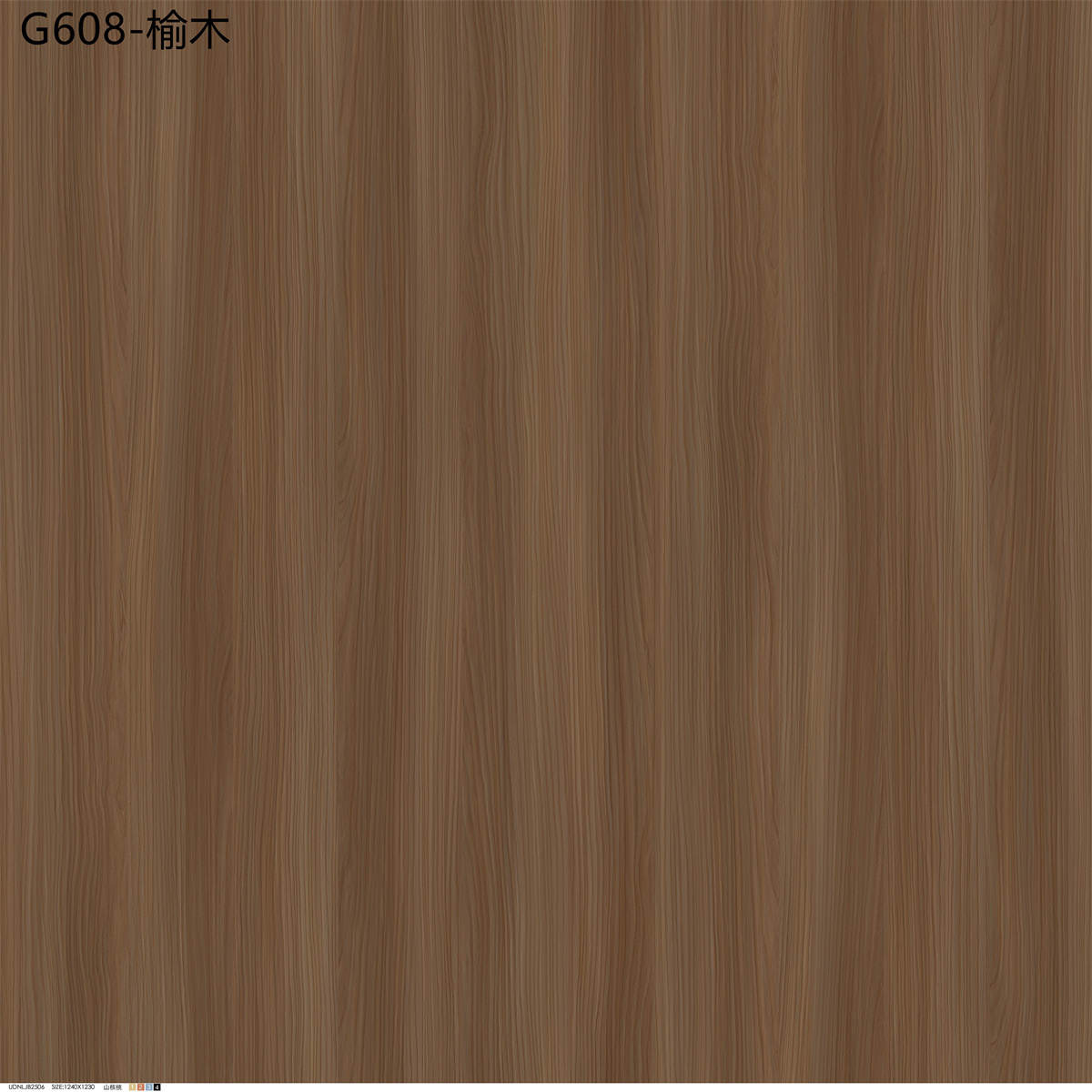
Elm Wood Grain Veneer is a popular choice in the building and decorative materials industry, particularly for its distinctive grain patterns and warm, rich tones. This veneer offers the beauty of solid elm wood while being more cost-effective and easier to work with, making it an excellent option for various applications in architecture and design.
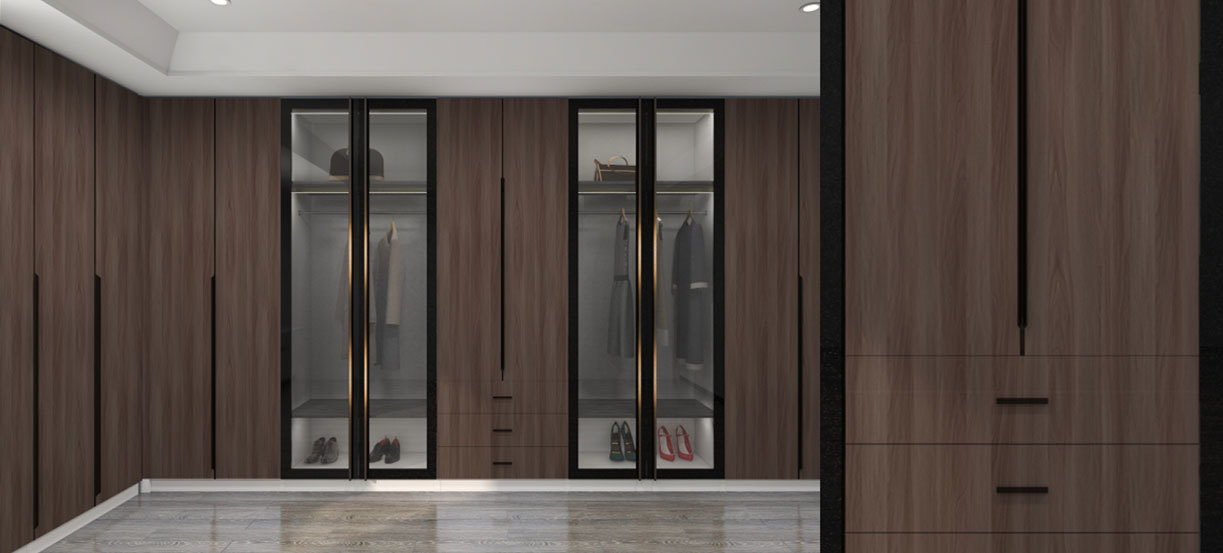
One of the most significant advantages of using Elm Wood Grain Veneer is its unique aesthetic appeal. The intricate grain patterns of elm wood are not only visually striking but also possess a level of warmth that can transform any space. This makes it an ideal choice for furniture, cabinetry, wall paneling, and even ceilings, where a natural, organic look is desired. The softness of the wood also allows for excellent machining and finishing, enabling designers to create a range of effects, from rustic to modern.
In addition to its visual attributes, Elm Wood Grain Veneer is also known for its durability. Elm wood itself is resilient and resistant to warping, which makes the veneer a practical choice for high-traffic areas or applications where longevity is a concern. When properly sealed and finished, it can withstand the rigors of everyday use while maintaining its beauty.
Sustainability is another crucial aspect of Elm Wood Grain Veneer. As the demand for solid wood products continues to rise, using veneers allows for a more responsible approach to sourcing. Veneers are typically made from fast-growing or sustainably harvested wood, which helps to reduce the environmental impact associated with deforestation. This makes Elm Wood Grain Veneer a more eco-friendly option for conscientious builders and designers.
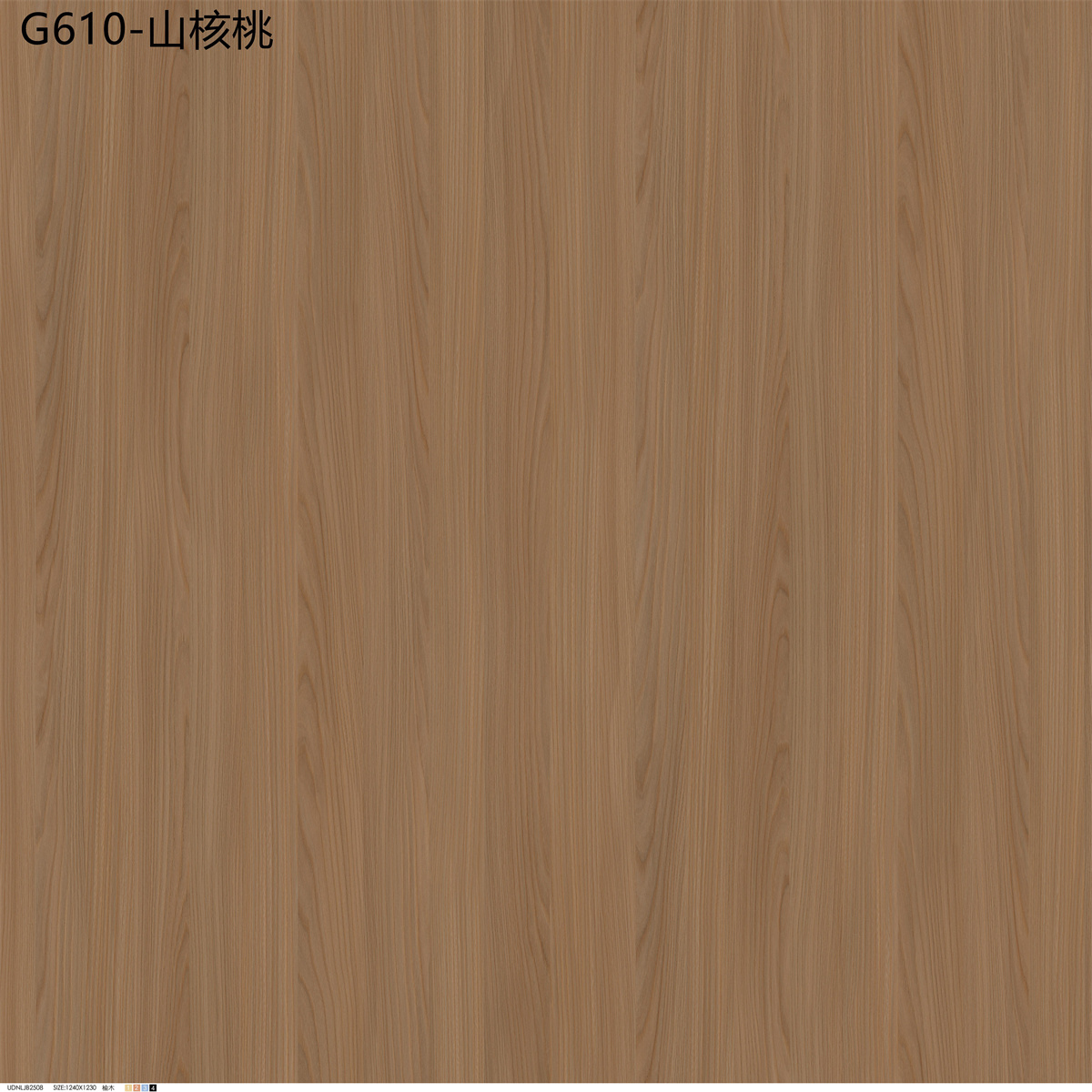
Compatibility with various design styles is another benefit of Elm Wood Grain Veneer. Its neutral palette and distinctive grain make it versatile enough to complement a wide range of design themes, from traditional to contemporary. Whether paired with metal accents in modern designs or used in rustic, farmhouse-style interiors, the veneer can adapt seamlessly, enhancing the overall aesthetic of any project.
When considering Elm Wood Grain Veneer for your next architectural or decorative project, keep in mind the importance of quality selection and proper installation techniques. Choosing high-quality veneers from reputable suppliers ensures that you achieve the desired look and performance. Additionally, understanding the different finishing options available can further enhance the natural beauty of the wood, allowing you to tailor the appearance to your specific needs.
In summary, Elm Wood Grain Veneer stands out as a versatile, attractive, and sustainable choice in the architectural and decorative materials field. Its unique visual appeal, durability, and adaptability make it an excellent option for enhancing any interior space. Consider incorporating this stunning veneer into your next project to achieve a sophisticated, natural look that resonates with both style and sustainability.
One of the most significant advantages of using Elm Wood Grain Veneer is its unique aesthetic appeal. The intricate grain patterns of elm wood are not only visually striking but also possess a level of warmth that can transform any space. This makes it an ideal choice for furniture, cabinetry, wall paneling, and even ceilings, where a natural, organic look is desired. The softness of the wood also allows for excellent machining and finishing, enabling designers to create a range of effects, from rustic to modern.
In addition to its visual attributes, Elm Wood Grain Veneer is also known for its durability. Elm wood itself is resilient and resistant to warping, which makes the veneer a practical choice for high-traffic areas or applications where longevity is a concern. When properly sealed and finished, it can withstand the rigors of everyday use while maintaining its beauty.
Sustainability is another crucial aspect of Elm Wood Grain Veneer. As the demand for solid wood products continues to rise, using veneers allows for a more responsible approach to sourcing. Veneers are typically made from fast-growing or sustainably harvested wood, which helps to reduce the environmental impact associated with deforestation. This makes Elm Wood Grain Veneer a more eco-friendly option for conscientious builders and designers.
Compatibility with various design styles is another benefit of Elm Wood Grain Veneer. Its neutral palette and distinctive grain make it versatile enough to complement a wide range of design themes, from traditional to contemporary. Whether paired with metal accents in modern designs or used in rustic, farmhouse-style interiors, the veneer can adapt seamlessly, enhancing the overall aesthetic of any project.
When considering Elm Wood Grain Veneer for your next architectural or decorative project, keep in mind the importance of quality selection and proper installation techniques. Choosing high-quality veneers from reputable suppliers ensures that you achieve the desired look and performance. Additionally, understanding the different finishing options available can further enhance the natural beauty of the wood, allowing you to tailor the appearance to your specific needs.
In summary, Elm Wood Grain Veneer stands out as a versatile, attractive, and sustainable choice in the architectural and decorative materials field. Its unique visual appeal, durability, and adaptability make it an excellent option for enhancing any interior space. Consider incorporating this stunning veneer into your next project to achieve a sophisticated, natural look that resonates with both style and sustainability.
Get a free quote
We welcome your inquiries. Tell us about your project to get a free quote.
Contact Us
Address: No. 3, Xinyuan 1st Road, Jili Industrial Park, Nan Zhuang Town, Chancheng District, Foshan City, Guangdong Province


Foshan Zhonghong Decoration Materials Co., Ltd.Technical Support:China Enterprise Network Shunde |SEO
Business License