


language
Understanding Wood Veneer: A Versatile Material for Architectural and Decorative Applications
Oct 02,2025

Wood veneer, a thin layer of wood sliced or peeled from a log, is an increasingly popular choice in the architecture and decorative materials industry. Its versatility, aesthetic appeal, and sustainability make it an excellent option for various applications, from furniture to wall paneling and beyond. This article provides an overview of wood veneer, highlighting its characteristics, benefits, and potential uses in a professional setting.
One of the key advantages of wood veneer is its ability to provide the appearance of solid wood while using a fraction of the material. This not only allows for cost savings but also contributes to sustainable design practices. By using wood veneer, architects and designers can achieve the look of high-quality wood without significantly impacting forest resources. Additionally, the production of veneer generates less waste compared to solid lumber milling, making it an eco-friendly choice.
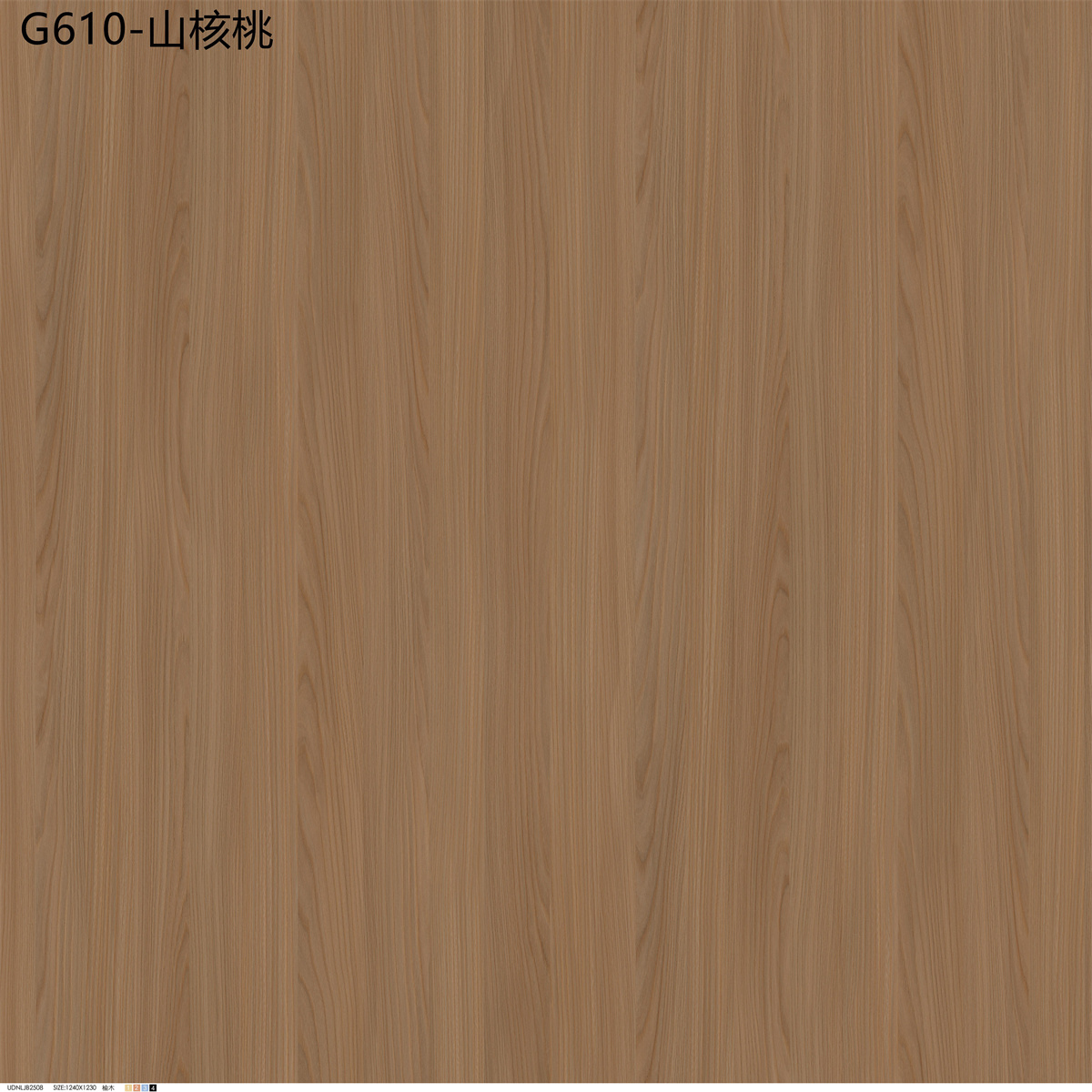
Wood veneer comes in a variety of species, offering a wide range of colors, patterns, and textures. This diversity allows designers to select the perfect veneer to complement their vision. Common options include oak, walnut, cherry, and maple, each bringing its unique character and warmth to a project. The ability to match the veneer with different finishes further enhances its adaptability, allowing for countless design possibilities.
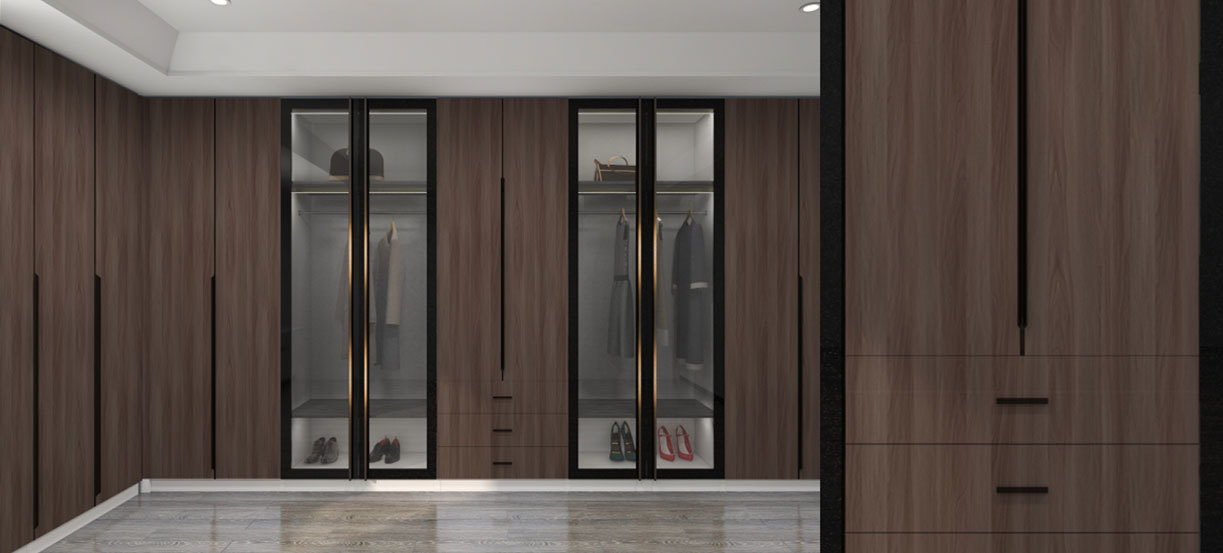
In terms of applications, wood veneer is highly versatile. It can be used in cabinetry, furniture, doors, and wall coverings, providing a sophisticated finish that elevates any space. For architects and interior designers, wood veneer offers an opportunity to incorporate natural elements into their designs, creating environments that foster connection with nature and promote well-being.
In addition to its aesthetic qualities, wood veneer is also relatively easy to work with. It can be applied to various substrates, such as MDF or plywood, using adhesive backing or through traditional veneering techniques. This ease of application allows for efficient installation and design changes, making it a practical choice for professionals in the building and decorating sectors.
When considering wood veneer for your next project, it's essential to source high-quality materials. Look for reputable suppliers who prioritize sustainable practices and offer a variety of veneer options. This ensures not only the best aesthetic results but also contributes to the overall integrity of your design.
In summary, wood veneer is a versatile, sustainable, and aesthetically pleasing material that can significantly enhance architectural and decorative projects. By understanding its properties and potential applications, professionals can leverage wood veneer to create stunning designs that resonate with clients and end-users alike.
One of the key advantages of wood veneer is its ability to provide the appearance of solid wood while using a fraction of the material. This not only allows for cost savings but also contributes to sustainable design practices. By using wood veneer, architects and designers can achieve the look of high-quality wood without significantly impacting forest resources. Additionally, the production of veneer generates less waste compared to solid lumber milling, making it an eco-friendly choice.
Wood veneer comes in a variety of species, offering a wide range of colors, patterns, and textures. This diversity allows designers to select the perfect veneer to complement their vision. Common options include oak, walnut, cherry, and maple, each bringing its unique character and warmth to a project. The ability to match the veneer with different finishes further enhances its adaptability, allowing for countless design possibilities.
In terms of applications, wood veneer is highly versatile. It can be used in cabinetry, furniture, doors, and wall coverings, providing a sophisticated finish that elevates any space. For architects and interior designers, wood veneer offers an opportunity to incorporate natural elements into their designs, creating environments that foster connection with nature and promote well-being.
In addition to its aesthetic qualities, wood veneer is also relatively easy to work with. It can be applied to various substrates, such as MDF or plywood, using adhesive backing or through traditional veneering techniques. This ease of application allows for efficient installation and design changes, making it a practical choice for professionals in the building and decorating sectors.
When considering wood veneer for your next project, it's essential to source high-quality materials. Look for reputable suppliers who prioritize sustainable practices and offer a variety of veneer options. This ensures not only the best aesthetic results but also contributes to the overall integrity of your design.
In summary, wood veneer is a versatile, sustainable, and aesthetically pleasing material that can significantly enhance architectural and decorative projects. By understanding its properties and potential applications, professionals can leverage wood veneer to create stunning designs that resonate with clients and end-users alike.
Next page:
Get a free quote
We welcome your inquiries. Tell us about your project to get a free quote.
Contact Us
Address: No. 3, Xinyuan 1st Road, Jili Industrial Park, Nan Zhuang Town, Chancheng District, Foshan City, Guangdong Province


Foshan Zhonghong Decoration Materials Co., Ltd.Technical Support:China Enterprise Network Shunde |SEO
Business License