


language
Exploring the Versatility of Walnut Veneer Rolls in Interior Design
Sep 18,2025

Walnut veneer rolls are increasingly popular in the construction and decorative materials industry, particularly among architects and interior designers. These rolls, made from thin sheets of walnut wood, offer a cost-effective alternative to solid walnut while still providing the same luxurious aesthetic and warmth that walnut is known for. This article delves into the characteristics, uses, and benefits of walnut veneer rolls, highlighting their versatility in various design applications.
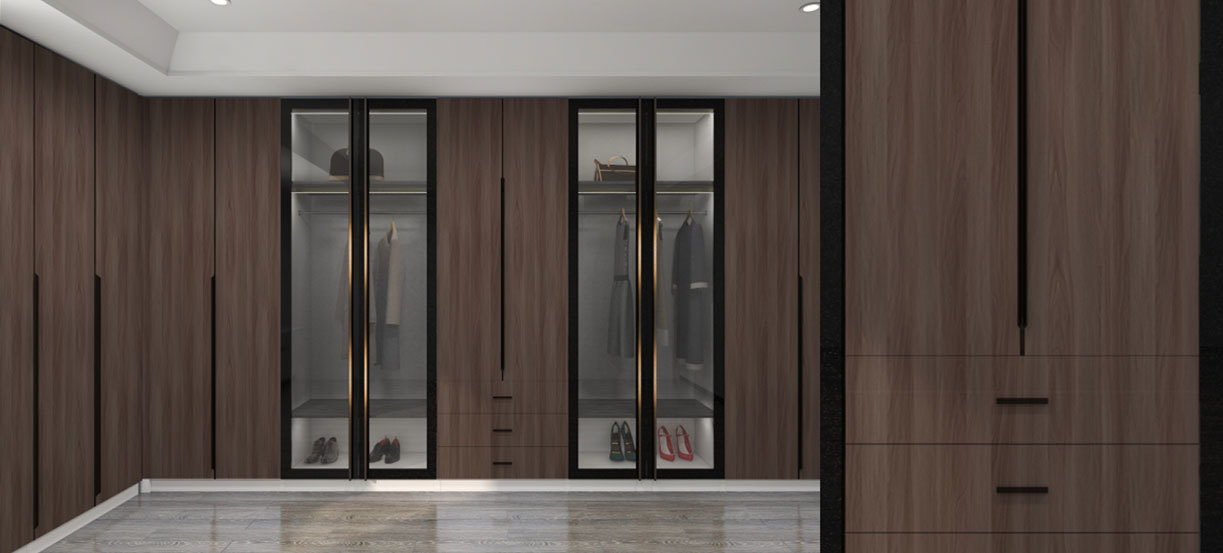
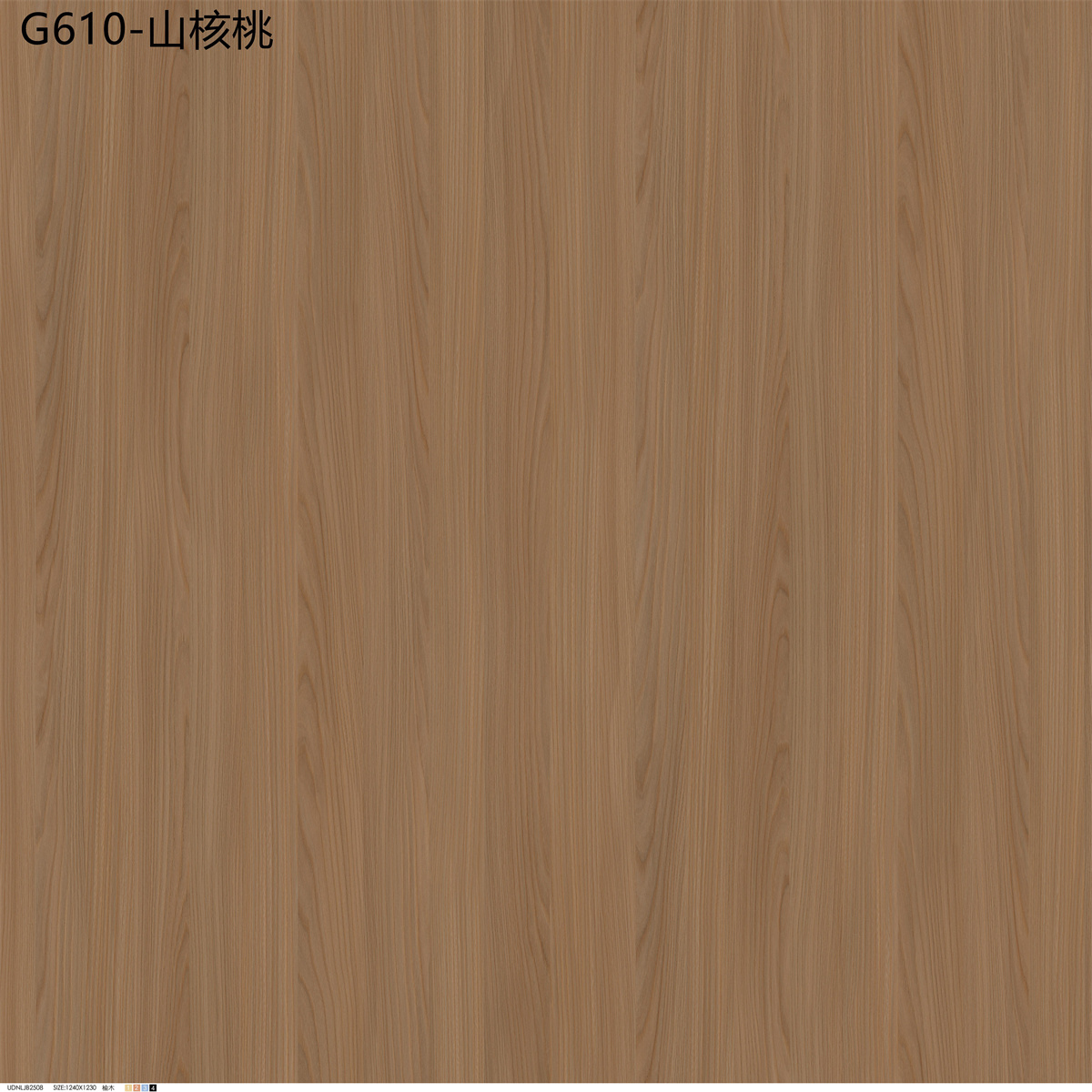
One of the main advantages of walnut veneer rolls is their aesthetic appeal. The rich, dark hues and intricate grain patterns of walnut wood can elevate the visual impact of any space. Whether used in residential or commercial settings, walnut veneer can complement a range of styles, from traditional to contemporary. The natural variations in color and texture ensure that each application is unique, making it an excellent choice for custom designs.
In terms of application, walnut veneer rolls can be utilized in numerous ways. They are commonly used for cabinetry, furniture, wall paneling, and decorative accents. The flexibility of veneer rolls allows for easy manipulation, making it suitable for both flat surfaces and curved designs. This adaptability is particularly valuable in projects that require a high level of craftsmanship and attention to detail.
Furthermore, walnut veneer rolls are relatively lightweight compared to solid wood, which simplifies the installation process. This characteristic not only reduces labor costs but also minimizes strain on structural components, making it a practical option for various construction projects. Additionally, the use of veneer contributes to sustainability efforts by maximizing the yield from walnut trees, thereby minimizing waste.
Another important factor to consider is the maintenance of walnut veneer. While it is durable and can withstand regular use, proper care is essential to preserve its appearance. Routine cleaning with a damp cloth and avoiding harsh chemicals can help maintain the veneer’s finish. It is also advisable to apply a protective sealant to enhance its longevity and resistance to moisture, particularly in high-humidity areas.
In summary, walnut veneer rolls represent a versatile and stylish option for a wide range of design applications. Their combination of aesthetic appeal, ease of installation, and sustainability makes them an excellent choice for professionals in the architectural and decorative materials industry. Whether you are looking to create a warm, inviting atmosphere in a home or add sophistication to a commercial space, walnut veneer rolls can provide the perfect solution. Embrace the beauty of walnut and explore how it can transform your next project.
One of the main advantages of walnut veneer rolls is their aesthetic appeal. The rich, dark hues and intricate grain patterns of walnut wood can elevate the visual impact of any space. Whether used in residential or commercial settings, walnut veneer can complement a range of styles, from traditional to contemporary. The natural variations in color and texture ensure that each application is unique, making it an excellent choice for custom designs.
In terms of application, walnut veneer rolls can be utilized in numerous ways. They are commonly used for cabinetry, furniture, wall paneling, and decorative accents. The flexibility of veneer rolls allows for easy manipulation, making it suitable for both flat surfaces and curved designs. This adaptability is particularly valuable in projects that require a high level of craftsmanship and attention to detail.
Furthermore, walnut veneer rolls are relatively lightweight compared to solid wood, which simplifies the installation process. This characteristic not only reduces labor costs but also minimizes strain on structural components, making it a practical option for various construction projects. Additionally, the use of veneer contributes to sustainability efforts by maximizing the yield from walnut trees, thereby minimizing waste.
Another important factor to consider is the maintenance of walnut veneer. While it is durable and can withstand regular use, proper care is essential to preserve its appearance. Routine cleaning with a damp cloth and avoiding harsh chemicals can help maintain the veneer’s finish. It is also advisable to apply a protective sealant to enhance its longevity and resistance to moisture, particularly in high-humidity areas.
In summary, walnut veneer rolls represent a versatile and stylish option for a wide range of design applications. Their combination of aesthetic appeal, ease of installation, and sustainability makes them an excellent choice for professionals in the architectural and decorative materials industry. Whether you are looking to create a warm, inviting atmosphere in a home or add sophistication to a commercial space, walnut veneer rolls can provide the perfect solution. Embrace the beauty of walnut and explore how it can transform your next project.
Previous page:
Get a free quote
We welcome your inquiries. Tell us about your project to get a free quote.
Contact Us
Address: No. 3, Xinyuan 1st Road, Jili Industrial Park, Nan Zhuang Town, Chancheng District, Foshan City, Guangdong Province


Foshan Zhonghong Decoration Materials Co., Ltd.Technical Support:China Enterprise Network Shunde |SEO
Business License