


language
Exploring the Versatility of Walnut Veneer Rolls in Architectural Design
Aug 22,2025
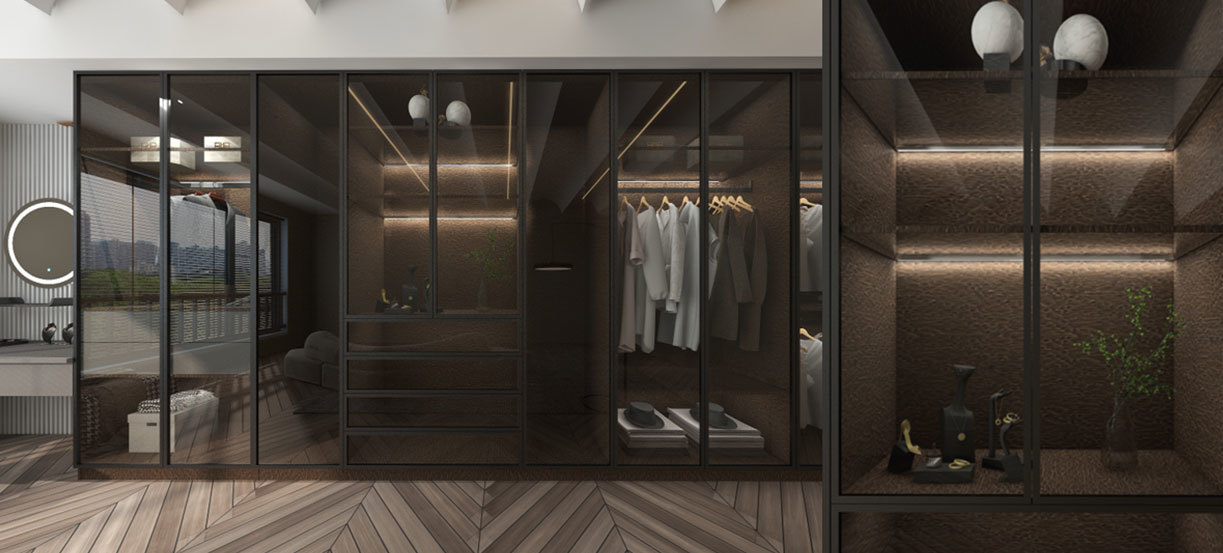
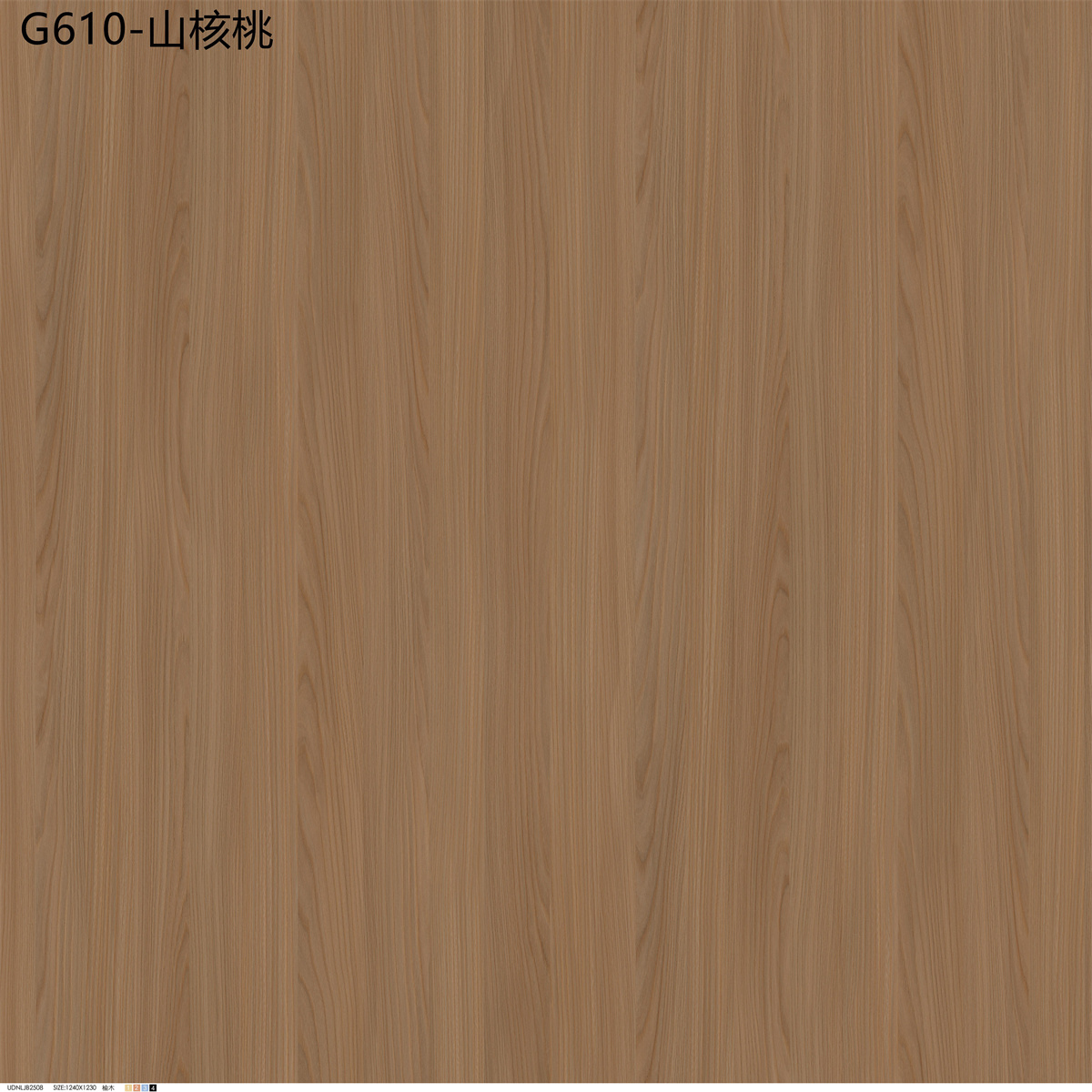
Walnut veneer rolls are increasingly popular in the realm of architectural and decorative materials due to their aesthetic appeal and versatility. Walnut wood is renowned for its rich, dark color and intricate grain patterns, making it a sought-after choice for high-end applications. When transformed into veneer rolls, walnut offers professionals a lightweight and flexible material that retains the elegance and sophistication of solid wood.
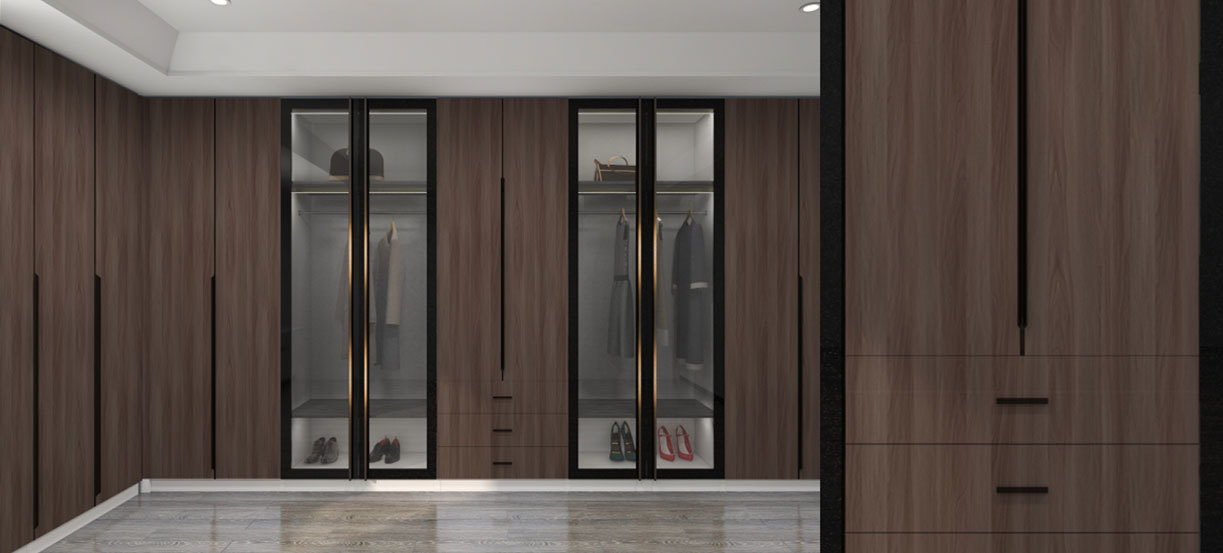
One of the primary advantages of walnut veneer rolls is their ability to enhance the visual appeal of various surfaces without the bulk and weight of solid wood. They can be applied to a wide range of substrates, including MDF, plywood, and particleboard, allowing architects and designers to create stunning finishes for furniture, cabinetry, wall paneling, and more. This adaptability opens doors for creative expression in both residential and commercial spaces.
Sustainability is another critical aspect to consider when discussing walnut veneer rolls. As a renewable resource, walnut wood is often sourced from responsibly managed forests. By opting for veneer instead of solid wood, professionals can significantly reduce timber consumption while still achieving the luxurious look associated with walnut. This sustainable approach not only supports environmental conservation but also appeals to eco-conscious clients.
In terms of maintenance, walnut veneer rolls are relatively easy to care for. They typically require minimal upkeep, such as periodic dusting and the application of wood polish to maintain their luster. However, it’s essential to keep in mind that veneers can be more sensitive to moisture and extreme temperatures than solid wood, so ensuring a stable indoor environment is crucial for longevity.
When utilizing walnut veneer rolls in design, professionals should also consider the various finishes available. These can range from matte to high-gloss, allowing for customization based on the desired aesthetic. Additionally, the texture can be manipulated through various staining and sealing processes, enabling designers to achieve a look that perfectly aligns with their vision.
Ultimately, walnut veneer rolls stand as a remarkable material in the construction and decoration landscape. Their combination of beauty, versatility, and sustainability makes them an ideal choice for professionals seeking to create sophisticated and environmentally friendly spaces. For those in the architecture and design fields, understanding the benefits and applications of walnut veneer rolls can lead to innovative solutions that meet modern design demands.
One of the primary advantages of walnut veneer rolls is their ability to enhance the visual appeal of various surfaces without the bulk and weight of solid wood. They can be applied to a wide range of substrates, including MDF, plywood, and particleboard, allowing architects and designers to create stunning finishes for furniture, cabinetry, wall paneling, and more. This adaptability opens doors for creative expression in both residential and commercial spaces.
Sustainability is another critical aspect to consider when discussing walnut veneer rolls. As a renewable resource, walnut wood is often sourced from responsibly managed forests. By opting for veneer instead of solid wood, professionals can significantly reduce timber consumption while still achieving the luxurious look associated with walnut. This sustainable approach not only supports environmental conservation but also appeals to eco-conscious clients.
In terms of maintenance, walnut veneer rolls are relatively easy to care for. They typically require minimal upkeep, such as periodic dusting and the application of wood polish to maintain their luster. However, it’s essential to keep in mind that veneers can be more sensitive to moisture and extreme temperatures than solid wood, so ensuring a stable indoor environment is crucial for longevity.
When utilizing walnut veneer rolls in design, professionals should also consider the various finishes available. These can range from matte to high-gloss, allowing for customization based on the desired aesthetic. Additionally, the texture can be manipulated through various staining and sealing processes, enabling designers to achieve a look that perfectly aligns with their vision.
Ultimately, walnut veneer rolls stand as a remarkable material in the construction and decoration landscape. Their combination of beauty, versatility, and sustainability makes them an ideal choice for professionals seeking to create sophisticated and environmentally friendly spaces. For those in the architecture and design fields, understanding the benefits and applications of walnut veneer rolls can lead to innovative solutions that meet modern design demands.
Previous page:
Get a free quote
We welcome your inquiries. Tell us about your project to get a free quote.
Contact Us
Address: No. 3, Xinyuan 1st Road, Jili Industrial Park, Nan Zhuang Town, Chancheng District, Foshan City, Guangdong Province


Foshan Zhonghong Decoration Materials Co., Ltd.Technical Support:China Enterprise Network Shunde |SEO
Business License