


language
Exploring the Beauty and Versatility of Wood Veneer in Architecture and Design
Jul 31,2025

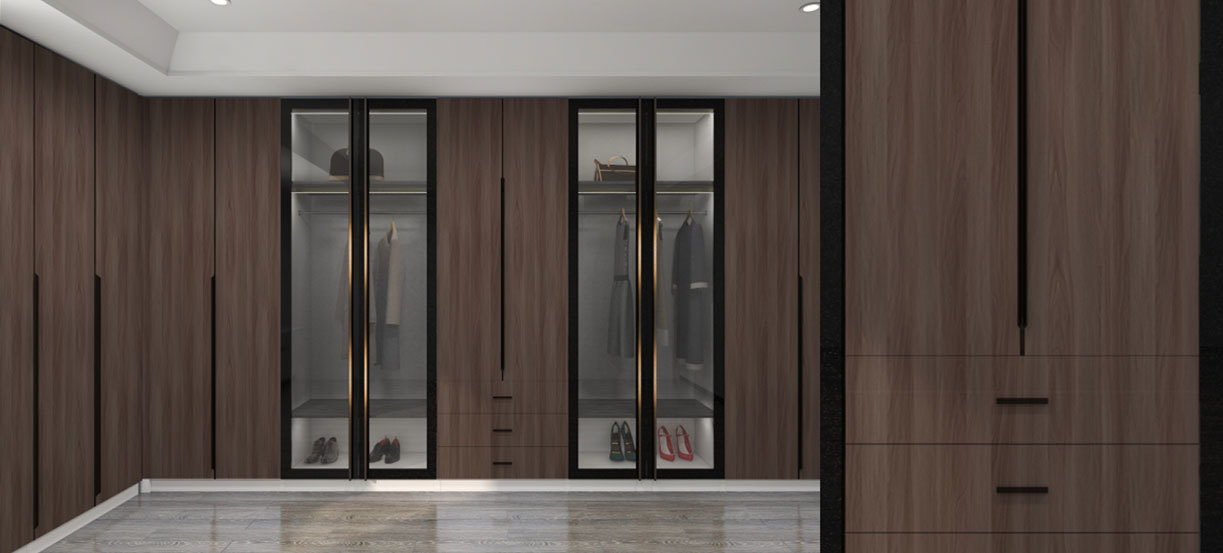
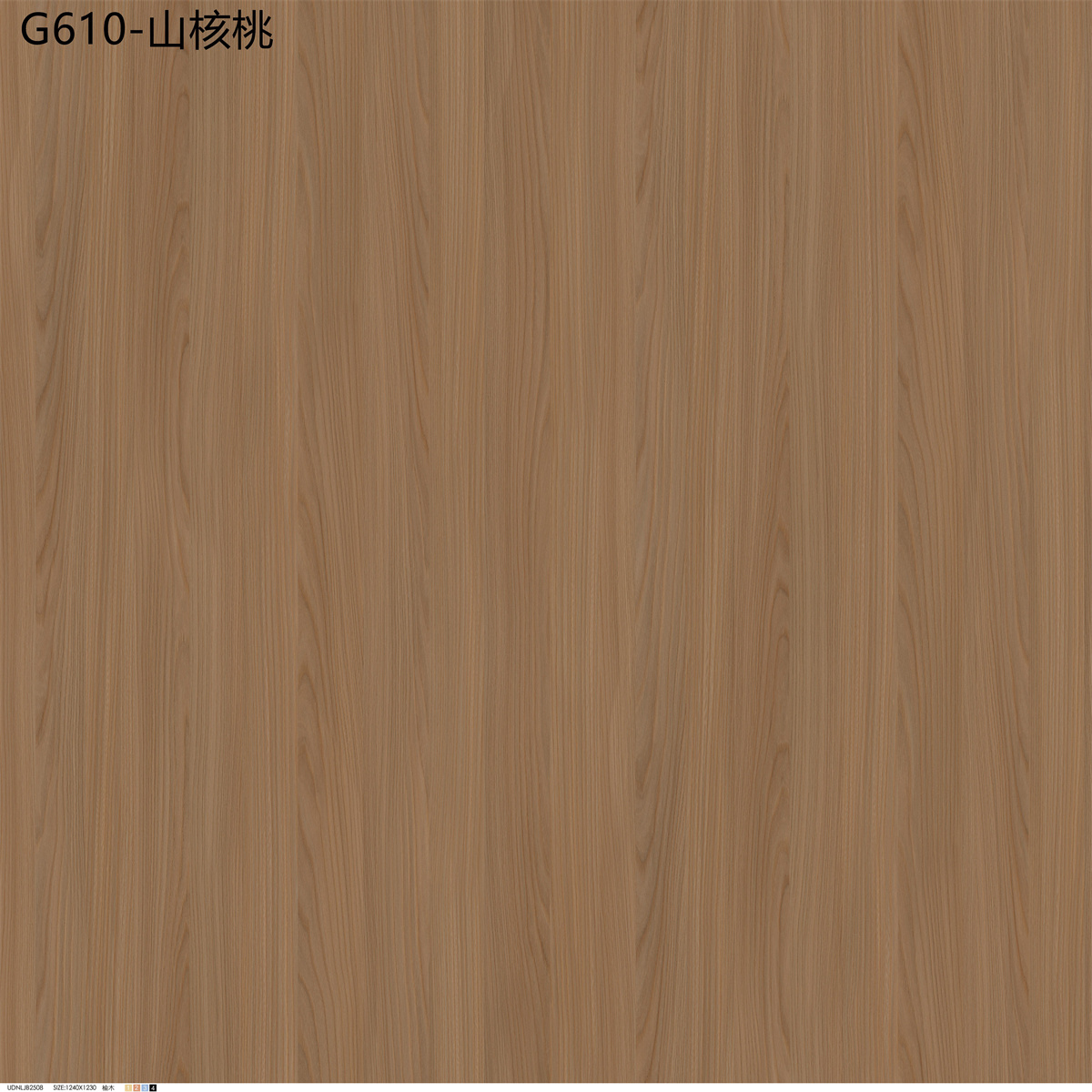
Wood veneer is a thin layer or slice of wood that is typically thinner than 3mm. It is crafted by peeling or slicing logs, a technique that allows for the creation of beautiful surfaces while conserving the use of solid wood. In the world of architecture and decorative materials, wood veneer stands out due to its aesthetic appeal and versatility. Whether used for furniture, wall paneling, or cabinetry, wood veneer can transform a space, adding warmth and character.
One of the primary benefits of wood veneer is its ability to mimic the rich textures and patterns of solid wood while being more cost-effective and sustainable. Since it uses less wood than solid pieces, it is an environmentally friendly option that can reduce the overall carbon footprint of a project. In addition, wood veneer is available in a wide range of species, allowing architects and designers to choose the perfect finish that aligns with their vision. From the striking grain of oak to the exotic hues of mahogany, the possibilities are endless.
Another significant advantage of wood veneer is its lightweight nature, making it easier to handle and install compared to solid wood. This feature is particularly beneficial in large-scale projects where weight considerations are crucial. Additionally, wood veneer can be applied to various substrates, such as MDF or plywood, enabling designers to achieve the desired appearance without compromising structural integrity.
When it comes to maintenance, wood veneer requires special attention to ensure its longevity. Regular cleaning with a soft, damp cloth can help maintain its surface, while avoiding harsh chemicals is essential to prevent damage. For areas exposed to high traffic or moisture, using a protective finish can enhance durability and resistance to wear.
Moreover, the application of wood veneer extends beyond traditional furniture and cabinetry. It is increasingly being used in modern architectural design, including wall coverings, ceilings, and even acoustical panels. This versatility allows designers to create cohesive, visually appealing spaces that integrate seamlessly with other materials.
In conclusion, wood veneer is not just a decorative material; it is a functional solution that brings both beauty and practicality to architectural and design projects. By understanding its unique properties and applications, professionals can leverage this material to elevate their work, creating stunning environments that resonate with clients and end-users alike. Whether you are a seasoned architect or a budding designer, wood veneer offers an array of possibilities that can enhance your projects in meaningful ways.
One of the primary benefits of wood veneer is its ability to mimic the rich textures and patterns of solid wood while being more cost-effective and sustainable. Since it uses less wood than solid pieces, it is an environmentally friendly option that can reduce the overall carbon footprint of a project. In addition, wood veneer is available in a wide range of species, allowing architects and designers to choose the perfect finish that aligns with their vision. From the striking grain of oak to the exotic hues of mahogany, the possibilities are endless.
Another significant advantage of wood veneer is its lightweight nature, making it easier to handle and install compared to solid wood. This feature is particularly beneficial in large-scale projects where weight considerations are crucial. Additionally, wood veneer can be applied to various substrates, such as MDF or plywood, enabling designers to achieve the desired appearance without compromising structural integrity.
When it comes to maintenance, wood veneer requires special attention to ensure its longevity. Regular cleaning with a soft, damp cloth can help maintain its surface, while avoiding harsh chemicals is essential to prevent damage. For areas exposed to high traffic or moisture, using a protective finish can enhance durability and resistance to wear.
Moreover, the application of wood veneer extends beyond traditional furniture and cabinetry. It is increasingly being used in modern architectural design, including wall coverings, ceilings, and even acoustical panels. This versatility allows designers to create cohesive, visually appealing spaces that integrate seamlessly with other materials.
In conclusion, wood veneer is not just a decorative material; it is a functional solution that brings both beauty and practicality to architectural and design projects. By understanding its unique properties and applications, professionals can leverage this material to elevate their work, creating stunning environments that resonate with clients and end-users alike. Whether you are a seasoned architect or a budding designer, wood veneer offers an array of possibilities that can enhance your projects in meaningful ways.
Previous page:
Get a free quote
We welcome your inquiries. Tell us about your project to get a free quote.
Contact Us
Address: No. 3, Xinyuan 1st Road, Jili Industrial Park, Nan Zhuang Town, Chancheng District, Foshan City, Guangdong Province


Foshan Zhonghong Decoration Materials Co., Ltd.Technical Support:China Enterprise Network Shunde |SEO
Business License