


language
Why Pearwood Veneer is the Ultimate Choice for Interior Decor
Jul 03,2025
Why Pearwood Veneer is the Ultimate Choice for Interior Decor
Table of Contents
- Introduction to Pearwood Veneer
- What is Pearwood Veneer?
- Benefits of Pearwood Veneer in Interior Design
- Applications of Pearwood Veneer in Interior Spaces
- Care and Maintenance of Pearwood Veneer
- Pearwood Veneer vs. Other Types of Veneers
- Frequently Asked Questions
- Conclusion
Introduction to Pearwood Veneer
In the world of interior decor, selecting the right materials can make a significant difference in the overall aesthetic and functionality of a space. **Pearwood veneer**, known for its unique and attractive grain patterns, is a material that has been gaining popularity among designers and homeowners. This article delves into why pearwood veneer is considered the ultimate choice for interior decor, highlighting its beauty, durability, and versatility.
What is Pearwood Veneer?
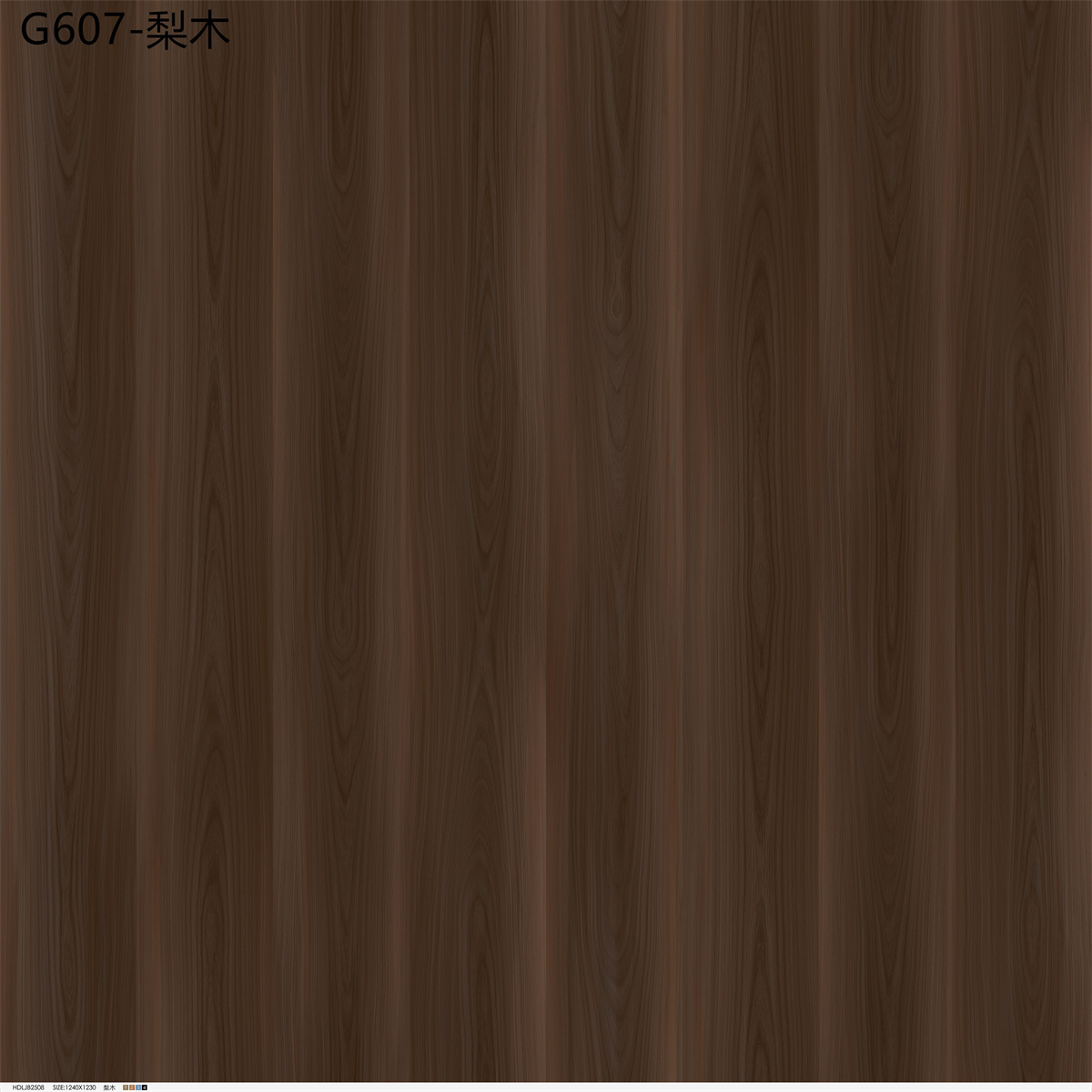
**Pearwood veneer** is a thin layer of wood obtained from the pear tree (Pyrus communis). It is prized for its stunning appearance, which features a fine, straight grain and a warm, golden hue that deepens over time. The veneer is created by slicing thin sheets from the log, which can then be adhered to a substrate to create a variety of products, such as furniture, cabinetry, and wall paneling.
The process of producing pearwood veneer not only ensures that the material maintains its beauty but also makes it a sustainable choice, as it uses less wood than solid lumber while still providing the desired aesthetic appeal.
Benefits of Pearwood Veneer in Interior Design
Choosing pearwood veneer for your interior projects brings a multitude of benefits. Here, we explore the key advantages that make it stand out.
Aesthetic Appeal
Pearwood veneer possesses a **distinctive appearance** that can elevate any interior design. Its fine grain and rich color contribute to an elegant and sophisticated look, making it suitable for various styles, from traditional to contemporary. The natural patterns in pearwood create visual interest, ensuring that each piece is unique. Whether used in cabinetry, furniture, or wall applications, pearwood veneer adds a touch of luxury to any space.
Durability and Strength
While aesthetics are important, durability is crucial for materials used in interior decor. Pearwood veneer is known for its **robust characteristics**. When properly treated and maintained, it can withstand the wear and tear of everyday use. Its strength allows it to be used in high-traffic areas without sacrificing appearance. Additionally, when compared to solid wood, pearwood veneer is less likely to warp or crack, making it a more stable option.
Eco-Friendliness
As sustainability becomes increasingly vital in design, pearwood veneer stands out as an **eco-friendly choice**. The veneer-making process utilizes less wood than solid lumber, reducing the demand for logging. Furthermore, pearwood trees are often sourced from well-managed forests, ensuring that the environmental impact is minimized. Opting for pearwood veneer not only enhances your space but also contributes positively to the environment.
Applications of Pearwood Veneer in Interior Spaces
The versatility of pearwood veneer allows it to be incorporated into a wide range of applications within interior decor. Here are some of the most popular uses:
Furniture Design
Pearwood veneer is commonly used in furniture design, offering a stylish finish to tables, chairs, and cabinets. Its aesthetic qualities make it a favorite among designers, enabling them to create unique pieces that stand out.
Cabinetry
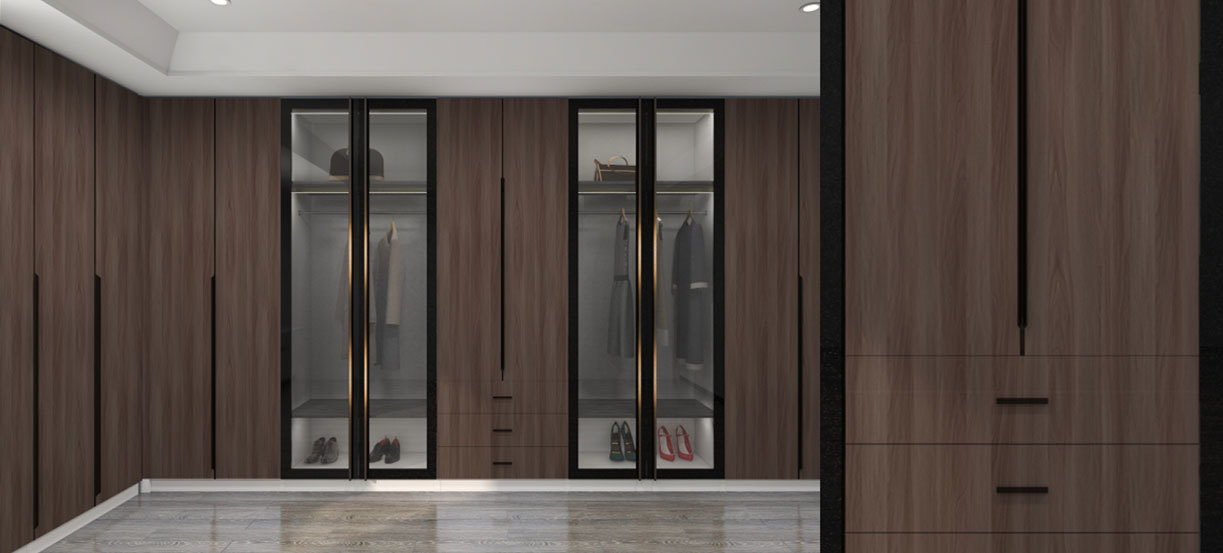
In kitchens and bathrooms, pearwood veneer cabinetry can add warmth and character. The rich tones and fine grain patterns lend a touch of elegance, enhancing the overall design of these spaces.
Wall Paneling
Using pearwood veneer for wall paneling can create a sophisticated backdrop in any room. Whether applied in a full wall treatment or as an accent feature, it adds depth and texture to the decor.
Architectural Details
Incorporating pearwood veneer into architectural details, such as moldings and trim, can enhance the elegance of a space. These finer details often go unnoticed, yet they play a significant role in the overall aesthetic.
Care and Maintenance of Pearwood Veneer
To keep pearwood veneer looking its best, proper care and maintenance are essential. Here are some tips to ensure longevity:
- **Regular Cleaning**: Dust and dirt can accumulate on the surface. Use a soft, dry cloth to wipe the veneer regularly, avoiding harsh chemicals that can damage the finish.
- **Avoid Excess Moisture**: Pearwood veneer is sensitive to moisture. Wipe up spills immediately and avoid exposing the material to excessive humidity.
- **Use Coasters**: Protect the surface from heat and moisture by using coasters under beverages and hot dishes.
Following these simple maintenance tips can help preserve the beauty and integrity of pearwood veneer for years to come.
Pearwood Veneer vs. Other Types of Veneers
When considering veneer options for interior decor, it's essential to understand how pearwood compares to others. Here are some key points of differentiation:
Maple Veneer
Maple veneer is known for its light color and fine grain. While it offers a clean and modern look, it may lack the warmth and richness associated with pearwood veneer.
Cherry Veneer
Cherry veneer has a deep reddish-brown hue that darkens with age. While it provides a classic elegance, it may not have the same unique grain patterns found in pearwood.
Walnut Veneer
Walnut veneer is revered for its luxurious appearance and dark tones. However, it can be heavier and more expensive than pearwood veneer, making pearwood a more accessible option for many homeowners.
Overall, pearwood veneer combines the best qualities of various wood types, offering a balanced and appealing choice for any interior design project.
Frequently Asked Questions
1. Is pearwood veneer suitable for high-traffic areas?
Yes, pearwood veneer is durable and can withstand everyday use, making it suitable for high-traffic areas when properly maintained.
2. How do I clean pearwood veneer?
Use a soft, dry cloth to dust regularly. For deeper cleaning, slightly dampen the cloth with water and wipe gently. Avoid harsh chemicals.
3. Can pearwood veneer be refinished?
Yes, pearwood veneer can be sanded and refinished if it becomes scratched or damaged, though it is essential to do this carefully to avoid going through the veneer layer.
4. How does pearwood veneer compare to solid wood?
Pearwood veneer is more stable and less prone to warping than solid wood. It also uses less material, making it a more sustainable option.
5. Where can I purchase pearwood veneer products?
Pearwood veneer products can be found at specialized woodworking stores, furniture retailers, and online marketplaces that focus on high-quality wood materials.
Conclusion
In summary, pearwood veneer emerges as the ultimate choice for interior decor due to its **aesthetic appeal**, **durability**, and **eco-friendliness**. Its versatility allows it to be used in various applications, enhancing the beauty of any space. By choosing pearwood veneer, you not only invest in a material that elevates your interior design but also contribute to sustainable practices. With proper care, pearwood veneer can maintain its stunning appearance for years, making it a timeless addition to any home or office.
Get a free quote
We welcome your inquiries. Tell us about your project to get a free quote.
Contact Us
Address: No. 3, Xinyuan 1st Road, Jili Industrial Park, Nan Zhuang Town, Chancheng District, Foshan City, Guangdong Province


Foshan Zhonghong Decoration Materials Co., Ltd.Technical Support:China Enterprise Network Shunde |SEO
Business License