


Exploring the Unique Aesthetics of Hickory Shellbark Veneer: A Comprehensive Guide
Jul 01,2025

Exploring the Unique Aesthetics of Hickory Shellbark Veneer
Table of Contents
- What is Hickory Shellbark Veneer?
- Distinctive Characteristics of Hickory Shellbark
- Applications of Hickory Shellbark Veneer
- Advantages of Using Hickory Shellbark Veneer
- Installation Tips for Hickory Shellbark Veneer
- Maintenance and Care for Hickory Shellbark Veneer
- Comparing Hickory Shellbark to Other Veneers
- Frequently Asked Questions
- Conclusion
What is Hickory Shellbark Veneer?
Hickory Shellbark Veneer is derived from the Hickory Shellbark tree, a species renowned for its remarkable strength and unique grain patterns. This veneer is carefully sliced from the outer layers of the wood, showcasing the rich textures and colors that make Hickory Shellbark a sought-after material in the world of architecture and interior design. With its striking appearance, Hickory Shellbark Veneer serves as an ideal choice for various applications, ranging from cabinetry and flooring to wall panels and decorative accents.
Distinctive Characteristics of Hickory Shellbark
1. Unique Grain Patterns
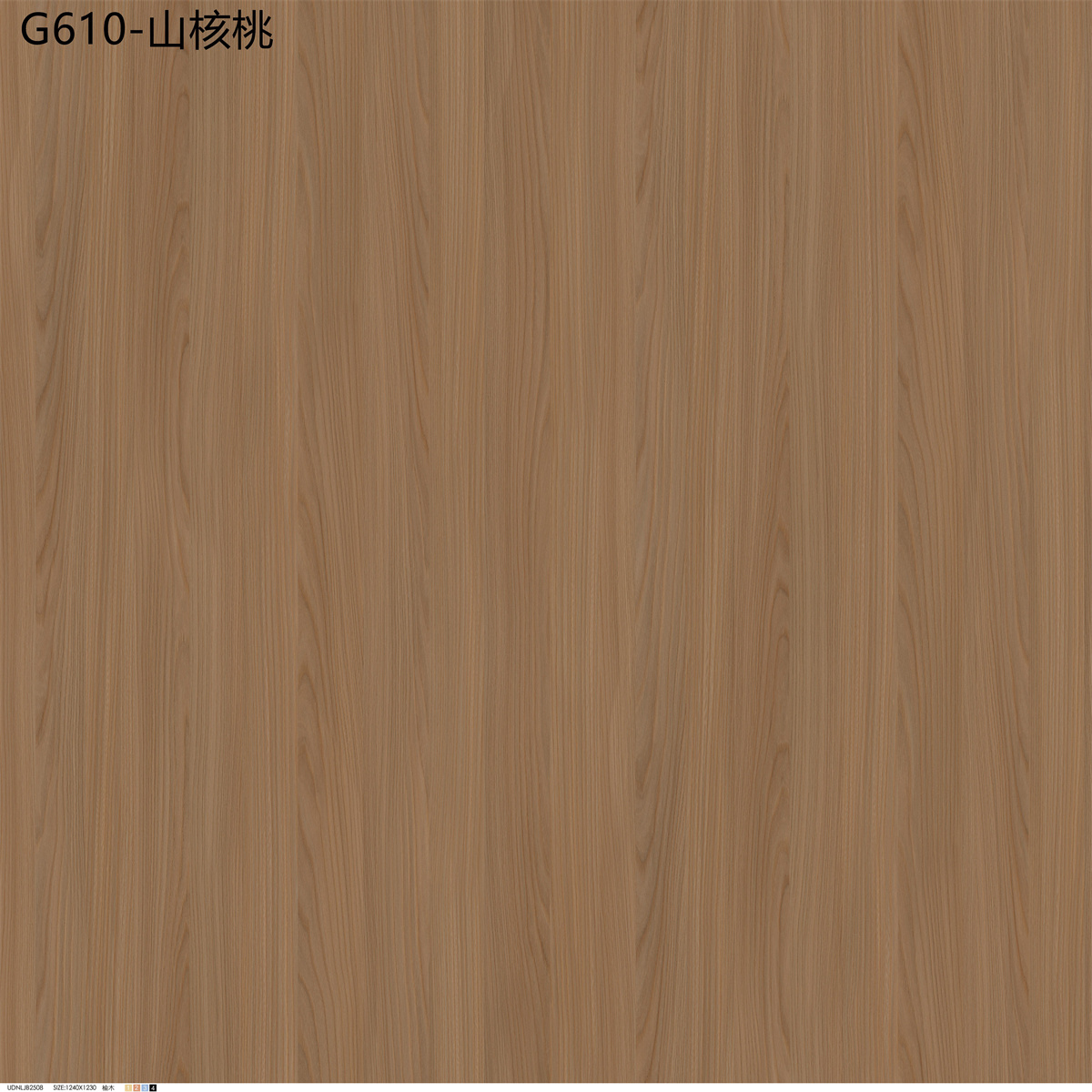
The most striking feature of Hickory Shellbark Veneer is its **unique grain patterns**. Each piece exhibits variations in texture and color, lending an organic aesthetic to any space. The blend of light and dark hues creates a striking contrast that adds depth and dimensionality.
2. Durability and Strength
Hickory is one of the hardest domestic hardwoods available, making Hickory Shellbark Veneer particularly **durable and resilient**. This characteristic is essential for high-traffic areas, ensuring that surfaces maintain their beauty over time.
3. Natural Resistance to Wear
Hickory Shellbark Veneer possesses a **natural resistance** to wear, which is a significant advantage for applications such as flooring and cabinetry. This intrinsic quality means that the veneer is less likely to show signs of damage from everyday use.
4. Eco-Friendly Option
Using Hickory Shellbark Veneer is an **eco-friendly choice**. Sourced from sustainably managed forests, it provides an environmentally responsible alternative to synthetic materials, aligning with modern sustainability practices.
5. Aesthetic Versatility
Hickory Shellbark Veneer’s aesthetic versatility makes it suitable for various design styles, from rustic to contemporary. Its ability to adapt to different environments allows it to complement a wide range of color palettes and textures.
Applications of Hickory Shellbark Veneer
1. Furniture Design
Hickory Shellbark Veneer is commonly used in **furniture design**, enhancing pieces such as tables, chairs, and cabinets. Its striking appearance adds character and elegance, making it a popular choice among furniture manufacturers and custom builders.
2. Architectural Features
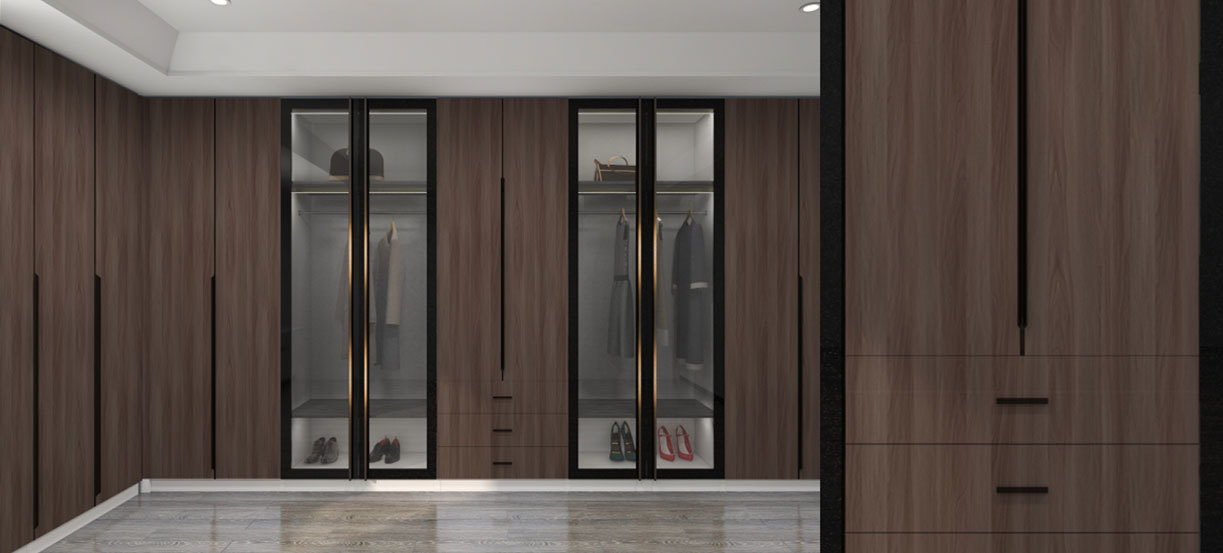
In architecture, Hickory Shellbark Veneer can be utilized for **wall panels, ceiling accents, and trim work**. Its unique grain patterns and colors create stunning focal points, contributing to the overall aesthetic of residential and commercial spaces.
3. Flooring Solutions
The durability of Hickory Shellbark Veneer makes it an excellent option for **flooring solutions**. Its resistance to wear and tear ensures longevity, making it ideal for both homes and high-traffic commercial environments.
4. Cabinetry and Millwork
When it comes to cabinetry and millwork, Hickory Shellbark Veneer provides an **elegant finish** that elevates the look of kitchens, bathrooms, and storage areas. Its natural beauty adds warmth and sophistication to any design.
5. Decorative Accents
In addition to larger applications, Hickory Shellbark Veneer can be used for **decorative accents** such as wall art, shelves, and custom millwork pieces. This versatility allows homeowners and designers to incorporate the veneer into their designs creatively.
Advantages of Using Hickory Shellbark Veneer
1. Cost-Effectiveness
Choosing Hickory Shellbark Veneer over solid wood can be a **cost-effective option**. Veneers offer the aesthetic appeal of hardwood at a fraction of the cost, making it accessible for a broader range of projects.
2. Lightweight Nature
Hickory Shellbark Veneer is significantly lighter than solid wood, which simplifies transportation and installation. This **lightweight nature** can also reduce the overall weight of furniture and cabinetry, making it easier to handle.
3. Consistency in Thickness
Unlike solid wood, which may warp or twist over time, Hickory Shellbark Veneer is manufactured to maintain **consistent thickness**. This uniformity ensures a smooth application and a flawless finish when installed.
4. Ease of Finishing
The smooth surface of Hickory Shellbark Veneer makes it easy to **finish and stain**, allowing for customization according to individual preferences. Homeowners and designers can easily achieve the desired color and sheen.
5. Enhanced Design Options
Hickory Shellbark Veneer opens up numerous **design options**, allowing for intricate inlays and patterns that would be challenging to achieve with solid wood. This flexibility enables more creativity in furniture and architectural designs.
Installation Tips for Hickory Shellbark Veneer
1. Surface Preparation
Before installation, ensure that the surface is thoroughly **clean and smooth**. Any imperfections may affect the adhesion and overall appearance of the veneer. Sand the surface if necessary and wipe it clean to remove any dust or debris.
2. Choosing the Right Adhesive
Select a quality adhesive that is suitable for wood veneers. **Contact cement** or **PVA glue** are commonly used options. Follow the manufacturer’s instructions for the best results.
3. Proper Cutting Techniques
When cutting Hickory Shellbark Veneer, use a sharp utility knife or veneer saw to ensure clean edges. Measure twice and cut once to minimize waste and ensure a precise fit.
4. Clamping for Adequate Bonding
After applying the adhesive and positioning the veneer, use clamps to hold the veneer in place while it bonds. Ensure even pressure across the surface to prevent air bubbles and ensure a tight seal.
5. Finishing Touches
Once the adhesive has cured, sand the edges and apply the desired finish. A clear coat can enhance the **natural beauty** of Hickory Shellbark Veneer while providing protection against wear and tear.
Maintenance and Care for Hickory Shellbark Veneer
1. Regular Cleaning
To maintain the beauty of Hickory Shellbark Veneer, regular cleaning is essential. Use a soft, damp cloth to wipe away dust and debris. Avoid harsh chemicals that can damage the finish.
2. Avoiding Excessive Moisture
Excessive moisture can warp the veneer and affect its appearance. It’s important to clean up spills promptly and avoid placing wet items directly on the surface.
3. Using Coasters and Mats
To protect your Hickory Shellbark Veneer surfaces, use coasters under drinks and mats under hot items. This precaution helps prevent heat and moisture damage, preserving the veneer’s natural beauty.
4. Periodic Re-Finishing
Over time, the finish may wear down. Periodically re-finishing the veneer can restore its luster and protect it from damage. Follow the manufacturer’s recommendations for the best results.
5. Avoiding Sunlight Exposure
Direct sunlight can fade the colors of Hickory Shellbark Veneer over time. To prevent discoloration, consider using window treatments or placing furniture away from direct sunlight.
Comparing Hickory Shellbark to Other Veneers
1. Hickory vs. Maple Veneer
While both Hickory and Maple veneers offer unique beauty, Hickory Shellbark stands out for its **dramatic grain patterns** and darker tones. In contrast, Maple veneer is often lighter and has a more uniform appearance.
2. Hickory vs. Oak Veneer
Oak veneer is well-known for its strength and versatility, but Hickory Shellbark provides a more distinctive aesthetic with its rich colors and textures. Oak may be preferred for traditional designs, while Hickory is excellent for a rustic or contemporary look.
3. Hickory vs. Walnut Veneer
Walnut veneer is revered for its rich, dark tones and luxurious appearance. However, Hickory Shellbark offers a more pronounced grain and a wider range of color variations. Both options have their advantages, depending on the desired aesthetic.
Frequently Asked Questions
1. Is Hickory Shellbark Veneer suitable for outdoor use?
While Hickory Shellbark Veneer can be used in areas with some exposure to moisture, it is not recommended for **full outdoor applications** unless properly treated and sealed.
2. How can I enhance the color of Hickory Shellbark Veneer?
To enhance the color of Hickory Shellbark Veneer, consider using a **stain** specifically designed for wood. Always test on a small area first to ensure desired results.
3. Can Hickory Shellbark Veneer be painted?
Yes, Hickory Shellbark Veneer can be painted, but it is recommended to sand the surface lightly to help the paint adhere better. Using a primer will also improve the final finish.
4. How does Hickory Shellbark Veneer compare in cost to other veneers?
Hickory Shellbark Veneer is generally more affordable than solid hardwoods but may vary in price compared to other veneers. It provides excellent value for its durability and aesthetic appeal.
5. What is the best way to repair damaged Hickory Shellbark Veneer?
For minor scratches, a **wood filler** can be used to fill in the area. For larger damages, it may be necessary to replace the affected veneer piece and reapply the finish.
Conclusion
Hickory Shellbark Veneer is an outstanding choice for those looking to combine aesthetics with durability in their design projects. Its unique grain patterns and rich colors offer an unparalleled visual appeal, while its strength and eco-friendly properties make it a practical option for various applications. By understanding its characteristics, applications, and maintenance needs, homeowners and designers can fully appreciate the beauty and functionality that Hickory Shellbark Veneer brings to their spaces. As you embark on your design journey, consider integrating Hickory Shellbark Veneer to elevate your interiors with its distinctive charm.
Get a free quote
We welcome your inquiries. Tell us about your project to get a free quote.
Contact Us
Address: No. 3, Xinyuan 1st Road, Jili Industrial Park, Nan Zhuang Town, Chancheng District, Foshan City, Guangdong Province


Foshan Zhonghong Decoration Materials Co., Ltd.Technical Support:China Enterprise Network Shunde |SEO